 Skip to content

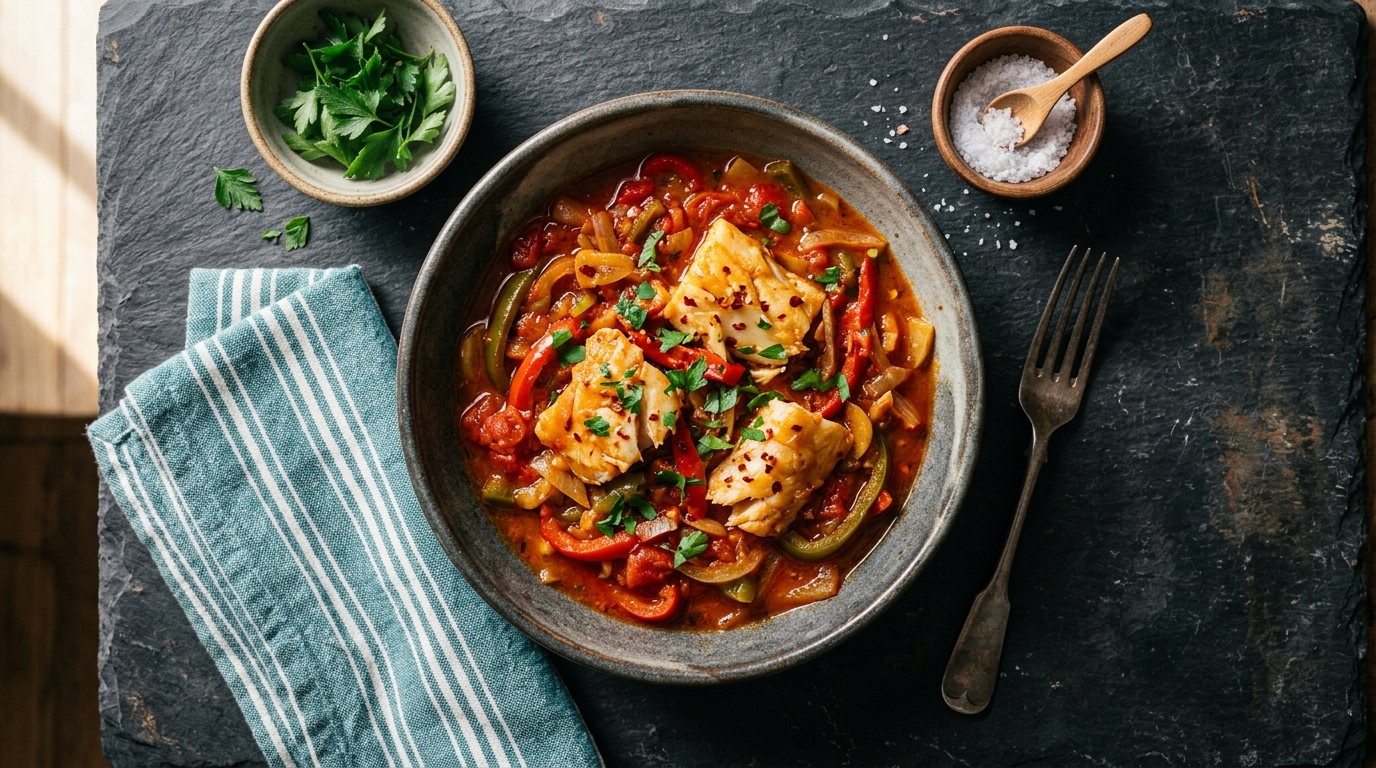
There are countless cod recipes in our cuisine, but this one truly shines. The secret? A perfect balance between the potent, aromatic touch of garlic, the subtle sweetness of the choricero pepper, and the spectacular juiciness of the fish.
It's the classic comfort food, perfect for dipping bread and devouring every last drop of sauce. If you thought preparing this amazing dish was a complicated challenge, think again.
Today we're going to teach you how to prepare it easily, practically, and with restaurant-quality results in your own kitchen. We'll guide you step by step so you can overcome your fear of cooking fish, mastering timing and the most useful home tricks. Put on your apron and let's get started!
The origin of ajoarriero: the food of the muleteers
Have you ever wondered where this curious name comes from? Popular history tells us that this dish originated on the roads, brought by the old muleteers who transported goods across the peninsula.
However, it's important to clarify that this is a widespread folk legend. The exact ingredients of this stew varied greatly depending on the transit zone between the north and the interior, adapting to what travelers had on hand.
On their long journeys, they carried salted cod with them . When they stopped to eat, they prepared a stew over the fire with garlic, dried peppers, and oil. Over time, this ajoarriero recipe was perfected in each region until it became the delicacy it is today.
The two sides of the ajoarriero: Northern or from La Mancha?
If you order this dish in different parts of Spain, you might be surprised. Two completely different versions exist under the same name :
- Northern-style cod with garlic sauce (Navarra, Basque Country and Aragon): A super juicy stew of flaked or shredded cod with peppers, tomato, garlic and chorizo pulp, where the potato is not an essential ingredient.
- Manchego-style garlic stew or "atascaburras" (Cuenca and Albacete): A dense paste or pâté made with cooked potato as the main ingredient, cod, oil, garlic, hard-boiled egg and walnuts.
Both are wonderful, but in this article we're going to focus on preparing the spectacular northern stew . Quite something!
Ingredients for preparing a traditional cod with garlic sauce

To succeed with this recipe, the key is using good quality ingredients. Take note of what you need for 4 people if you want to make a traditional cod with garlic sauce :
- 600g of cod (in thick slices or shredded).
- 3 cloves of garlic naked.
- 1 green pepper y 1 red bell pepper.
- 1 cebolla great.
- 3 tablespoons of choricero pepper pulp.
- 100 ml of homemade fried tomato sauce.
- 1 chilli or cayenne (for that cheerful little spicy touch).
- Extra virgin olive oil (EVOO).
- Leave only at the end and if necessary.
Recipe fact sheet:
- Rations: 4 people.
- Approximate time: 35-40 minutes.
- Difficulty: Low.
- Recommended format: Loins for juicy flakes or shredded for a quicker version.
How to make ajoarriero step by step: the simple recipe
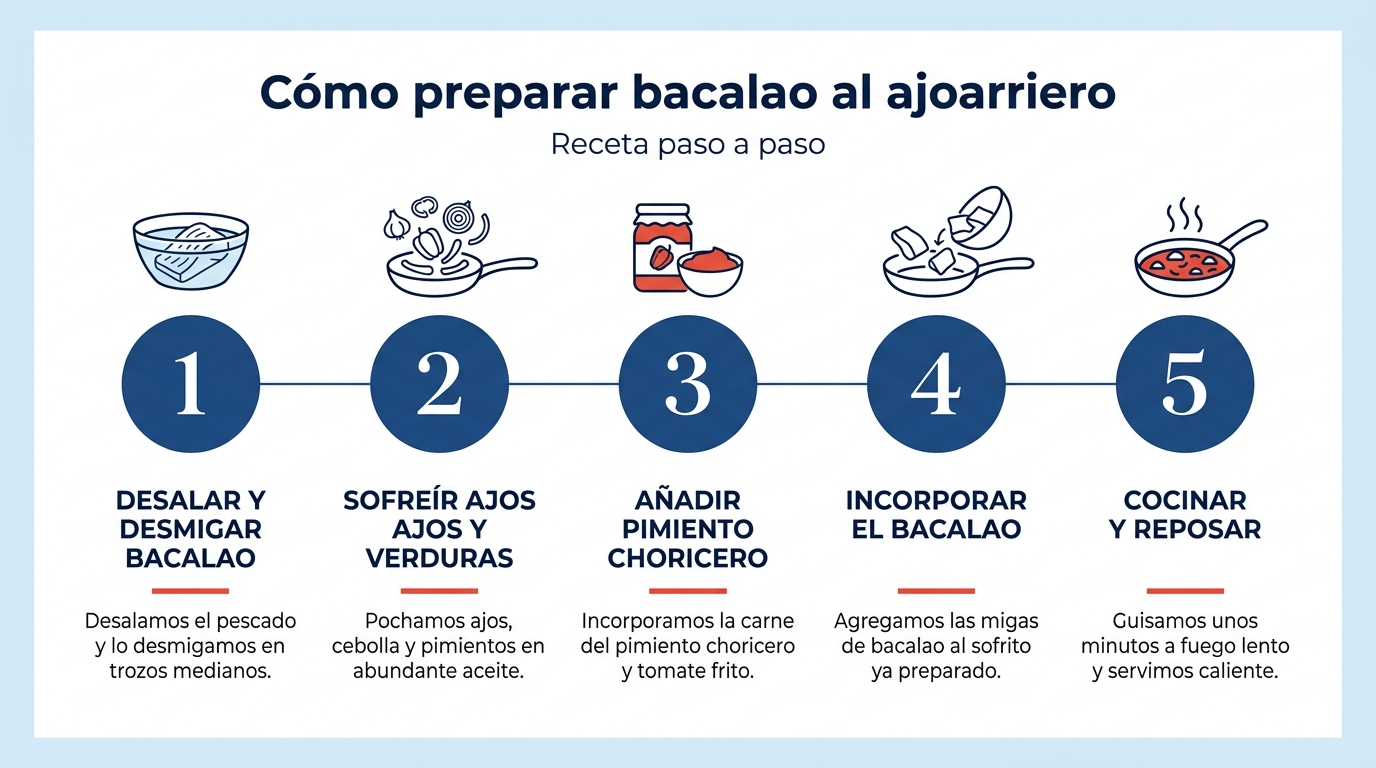
Don't be intimidated by the steps, because discovering how to make ajoarriero will be surprisingly easy. If you follow this order, success at the table is guaranteed.
1. Preparing the cod (desalting or using at the salt point)
Choosing the right type of fish is key. Loins are ideal for large flakes, coarse flaking speeds up cooking, and fresh cod offers a milder flavor. If you use salted cod, you must desalinate it by soaking it in cold water in the refrigerator; as a general guideline, this usually requires between 24 and 48 hours, changing the water every 8 hours, depending on the thickness.
If you want to skip this step, the best trick is to use Delfín Ultracongelados frozen cod loins , already salted to perfection . It's a super convenient option that guarantees consistency in your cooking, saving you the entire desalting process beforehand.
2. The basic sofrito and the touch of the choricero pepper
Pour a generous amount of extra virgin olive oil into your saucepan and brown the thinly sliced garlic along with the chili pepper. As soon as they turn golden, remove them to a plate so they don't become bitter.
In the same oil, add the finely chopped onion and peppers . Let everything cook over medium-low heat until the vegetables are very tender. Now comes the magic of the choricero pepper.
If you're using dried choricero peppers, you'll first need to rehydrate them in hot water, then open them, remove the seeds, and scrape out the pulp with a knife. If you prefer a quicker method, you can use canned choricero pepper pulp. Add this pulp and the tomato to the casserole dish, stirring well to create a smooth base.
3. Cook the cod and add it to the stew
Once the sofrito is ready, add the cod to the casserole dish. The secret is to cook it over very low heat , for about 5 to 7 minutes depending on the thickness of the pieces. You'll know it's done when it starts to flake easily and looks very juicy.
While it's cooking, gently swirl the pan in circles. This helps emulsify the sauce with the fish's natural gelatin, resulting in a glossy, well-blended liquid without the need for a rolling boil.
Just before turning off the heat, return the reserved golden garlic to the pan. An incredible aromatic spectacle!
Common mistakes to avoid:
- Cooking the cod for too long until it dries out.
- The dried chorizo peppers are not properly hydrated, resulting in the loss of much of their pulp.
- Burn the garlic at the beginning of the sofrito.
- Too much chili pepper; it's better to start with less and correct it.
- Add salt without having tasted the finished stew first.
Chef's tips for a restaurant-quality result
Want to take your stew from delicious to unforgettable? Try these quick tricks in your kitchen:
- Use a clay pot: If you have one suitable for your kitchen, use it. It distributes heat perfectly and gives it that unmistakable traditional feel.
- Rest is golden: This stew develops a lot of flavor after resting for a few hours or overnight, as the flavors meld. Remember to always keep it well refrigerated.
- The touch of spice: Adjusting the chili to your family's taste is key to adding zest without masking the flavor of the fish.
What to serve and pair with cod in garlic sauce
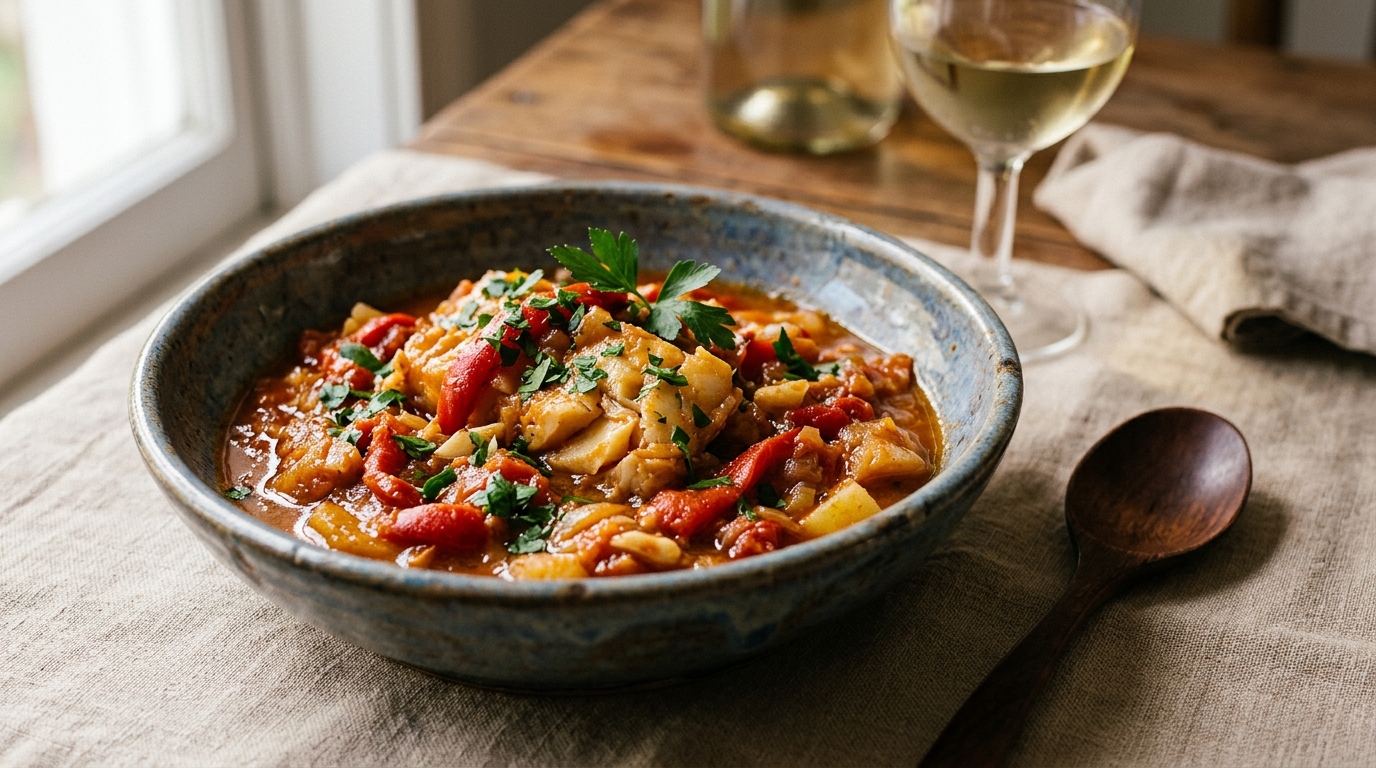
A stew this rich and flavorful needs the best companions. Most importantly: buy a good loaf of bread with a deep crumb , because not dipping it in this sauce should be a crime.
To drink, we recommend local options. A very chilled rosé from Navarra , or a young, fruity red. Either will perfectly balance the intensity of the garlic and pepper, cleansing the palate with every sip.
Frequently asked questions about cod with garlic sauce
Can you add egg to the traditional recipe?
Yes, in some versions, egg is added in different ways. It's common to poach an egg directly in the pan just before removing it from the heat, letting it cook with the residual heat, or to garnish it with slices of hard-boiled egg at the end to add texture.
Does the authentic ajoarriero recipe include potatoes?
As we mentioned earlier, potatoes aren't essential in the traditional northern stew, although some people fry diced potatoes as a side dish. However, in Manchego-style ajoarriero (atascaburras), boiled and mashed potatoes are the central ingredient.
Can I freeze leftover cod with garlic sauce?
Yes, as a general recommendation, this dish can be frozen after cooking if it has been handled correctly. Store it in an airtight container with its own sauce. To serve, always defrost it in the refrigerator and heat it very gently so the cod doesn't overcook.
What is the difference between a choricero pepper and a ñora pepper?
The choricero pepper is longer and imparts a more acidic and profound flavor, making it highly recommended for this version and other northern seafood stews like marmitako. The ñora pepper is round, sweeter, and is typically used on the Mediterranean coast for rice dishes or romesco sauce. Their distinct profiles alter the final result of the dish.