 Skip to content


Hake Roman style is one of those classic, foolproof dishes that's always present on Spanish tables. It's a crowd-pleaser for all ages, a lifesaver for any meal, and when cooked properly, a true delicacy.
But how many times have you faced the dreaded frying pan dilemma? Getting it crispy on the outside and juicy on the inside, without turning it into an oil bomb, seems like magic. However, we assure you there's a trick to it.
Today we're going to say goodbye to soggy breading and dry fish. We're bringing you the ultimate recipe to make your dish spectacular. We promise master tips whether you're using fresh fish or opting for the convenience of frozen fillets. Let's get started!
What is Roman-style hake? The secret of an iconic batter
When we talk about breaded hake , we sometimes confuse the terms. The authentic "Roman" recipe has a golden rule in Spain: the fish is coated only in wheat flour and then in beaten egg before frying. Nothing more, nothing less.
This subtly differentiates it from other wonderful techniques, such as hake "Andalusian style" (which only uses flour) or the "Orly" style (which includes beer or yeast to make it puff up).
The classic Roman-style batter creates a golden, thin, and fluffy coating. This coating acts as a protective shield, sealing in the fish's juiciness. A truly delicious bite!
Simple ingredients for a restaurant-quality result

For this recipe to shine, you don't need complications, just good ingredients. Take the ingredients out a little while beforehand so they're at room temperature and take note:
- Quality hake loin or fillets: the raw skinless hake fillets Delfín Ultracongelados are incredibly convenient and of the highest quality! Choose clean loins or fillets, and if they're from the boneless fishMuch better for worry-free eating.
- Common wheat flourIf you are cooking for celiacs, use certified gluten-free flour, making sure to always avoid cross-contamination with utensils and oils.
- Free-range eggsKeys to achieving a batter with vibrant color and real flavor.
- Frying oilYou can use extra virgin olive oil (EVOO) or mild olive oil / high oleic sunflower oil, according to your preferences.
- Salt and white pepper: a touch to enhance the flavor (pepper is optional).
- Lemon: essential to serve as a final garnish.
How to make Roman-style hake step by step

It's time to fire up the stove. If you've been wondering how to make perfect Roman-style hake , follow this visual and foolproof process:
- MusicMake sure the pieces are cooked and thoroughly dried. Season the hake fillets with salt and pepper on both sides.
- The flouringCoat each piece in flour. It's vital to shake off the excess by gently tapping the fish until only a very thin layer remains. If you leave a white, sticky coating, the breading will be heavy and fall off.
- The egg bathDip the fish in the beaten egg. Coat it on all sides and let the excess drip off to avoid excessive runny nose when you put it in the pan.
- The perfect fryFry in plenty of hot oil on both sides. Aim for the batter to acquire a uniform and appetizing golden color.
- RestRemove the pieces and place them on paper towels. When you open the fish, you should see it separate into juicy flakes. Amazing!
The master trick: how to make Roman-style hake with frozen fillets?
Having quality frozen fish at home is a lifesaver because of its sheer convenience. But is it possible to achieve a perfect batter? Absolutely! The secret to perfect breaded hake with frozen fillets lies entirely in the defrosting process.
- Proper defrostingTransfer the fillets from the freezer to the refrigerator and defrost them slowly well in advance. Place them on a rack so the fish never comes into contact with the water it releases.
- Extreme dryingExcess moisture is the enemy of any fried food. Before coating the fillets in flour, use absorbent paper and dry them thoroughly. If they have water on them, the oil can splatter and the coating will end up peeling off.
To avoid mistakes, review this quick checklist before frying:
- Fish slowly defrosted in the refrigerator.
- Dry the surface completely with absorbent paper.
- Flour, shaken well to leave a thin layer.
- Hot oil waiting in the pan.
3 golden tips for crispy, non-greasy frying
If you want to take a good dish to a spectacular one, remember these three commandments for perfect frying at home:
- The oil temperatureThe oil should be hot, but not smoking. If it's too cold, the hake will absorb too much fat; if it's too hot, the egg will burn and the inside will remain raw.
- Don't overload the panFry in batches of two or three pieces. If you fill the pan, you'll add too much cold volume, which will lower the oil temperature suddenly and ruin the coating.
- Quick drainingRemove the hake immediately and place it on absorbent paper to stop the cooking process and catch any excess fat on the spot.
Light version: Roman-style hake in an air fryer or air fryer
Fancy taking better care of yourself without sacrificing traditional flavor? The air fryer comes to the rescue as a fantastic modern alternative, just like in the rest of our air fryer fish recipes.
Although the result won't be the classic fried result we're used to, it will be surprisingly crispy. Once you have the hake coated in its thin layer of flour and egg, place it directly in the lightly greased basket, provided your appliance's design allows it and following the manufacturer's instructions to avoid blocking airflow.
Spray or brush the surface with a few drops of extra virgin olive oil. As a guide, set your grill to 180°C for about 8-10 minutes , turning the steaks halfway through. Keep in mind that this time is approximate and will vary depending on the thickness of the steaks and the power of your grill. Easy, fast, and super lightweight!
The best accompaniments for your breaded hake

A good fish recipe needs a side dish to match. To keep the festive spirit of our cuisine alive, here are our favorite accompaniments:
- The classic mixed saladCrisp lettuce, sweet onion, and tomato. The fresh, light contrast is the perfect complement to balance the fried food.
- home friesVery thinly sliced and crispy. If there are children at home, this option is a guaranteed hit at the table, and a great ally for that the little ones eat fish.
- Pimientos de PadrónSautéed peppers with a touch of coarse salt add that unmistakable green and tasty touch.
Frequently asked questions about Roman-style hake
Why does the breading come off the hake when I fry it?
This happens mainly for two reasons: either the fish wasn't completely dry before coating it in flour (moisture creates a vapor barrier that prevents the coating from working properly), or the oil wasn't hot enough. Make sure to dry the fillets thoroughly with paper towels before you begin.
Can I use corn flour instead of wheat flour?
Yes. In fact, using certified gluten-free flour or cornstarch is an excellent alternative, and it also adds extra crispiness to the batter. The process is exactly the same, but remember to take extra precautions to avoid any cross-contamination if you're cooking for someone with celiac disease.
How long should you fry hake?
The ideal cooking time depends entirely on the thickness of the fish. As a rough guide, 2 or 3 minutes per side is usually enough for medium-sized fillets. Trust your eyes: the coating should be golden brown on the outside. Avoid overcooking the hake so the center doesn't dry out and retains its juicy, flaky texture.
Other recipes with hake
If you liked this recipe, check out all our hake recipes.

Baked hake
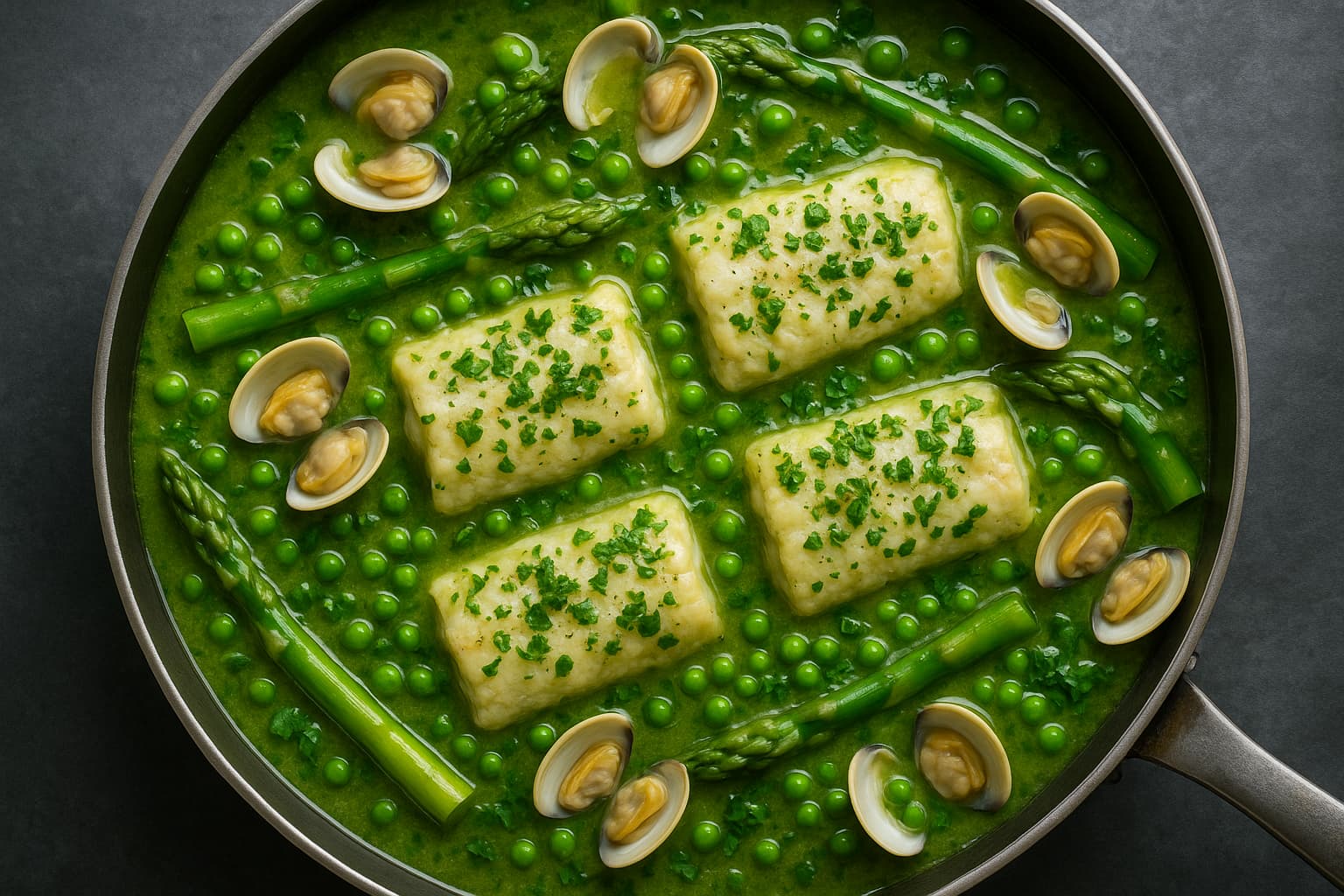
Merluza in Salsa Verde