 Skip to content
What are bivalves?
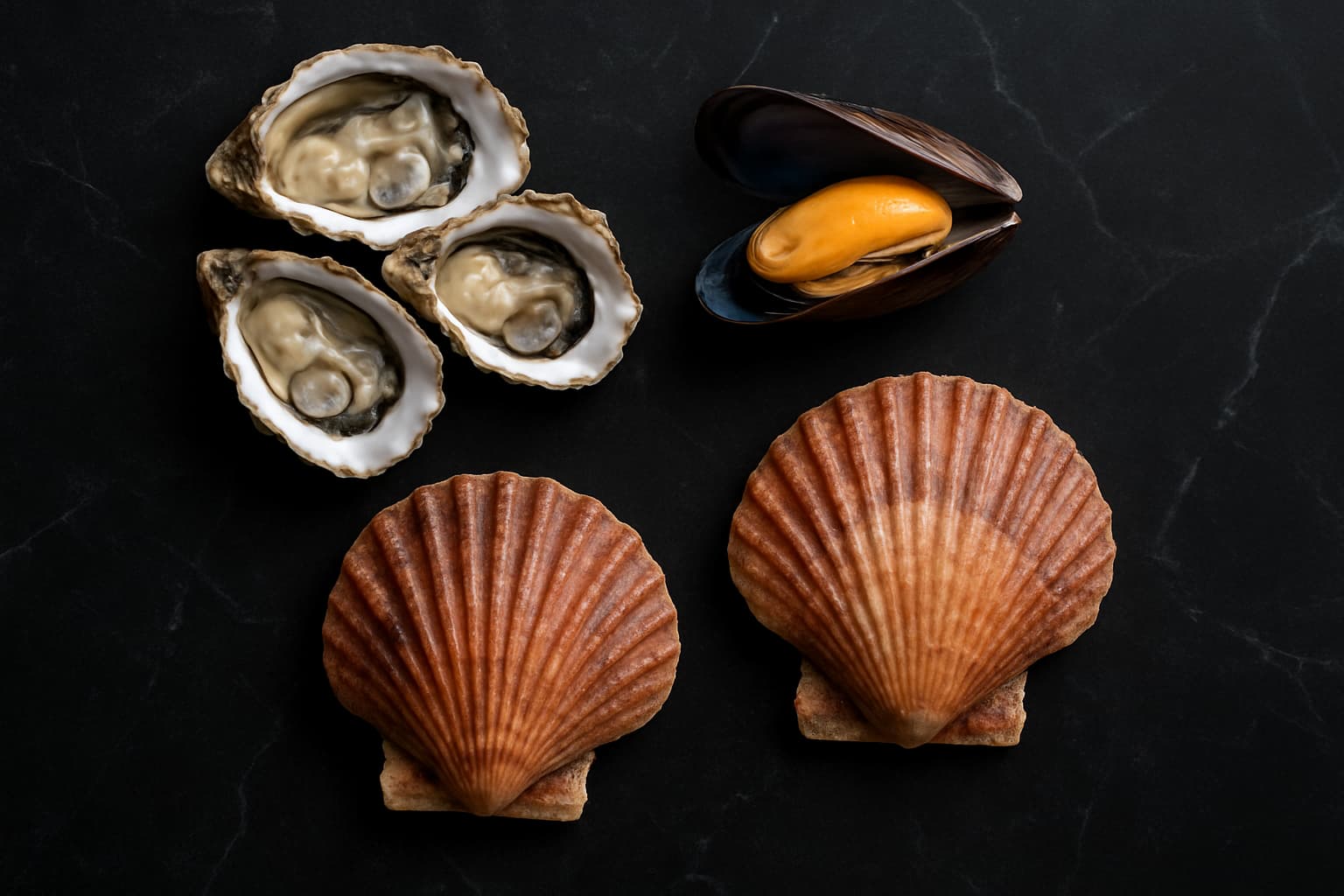
Bivalves are a class of invertebrate animals belonging to the phylum Mollusca . Their most distinctive characteristic, which gives them their name, is having a soft body protected by a shell made up of two hinged pieces called valves.
Bivalves live exclusively in aquatic environments, both freshwater and saltwater. They play a fundamental role in their ecosystems as water filters and are known worldwide for their enormous economic and, above all, gastronomic importance.
Characteristics and anatomy of bivalves
The anatomy of bivalves is perfectly adapted to a sedentary or immobile life. Unlike other mollusks, they lack a distinct head and a radula (the organ for scraping food).
Among the characteristics of these living beings, the following stand out:
- Soft body: Bivalves have a soft, laterally flattened body, completely protected by their shell.
- Two-valved shell: Its shell is its main characteristic. The two valves are joined by an elastic “hinge” called a ligament and “teeth” on the hinge that allow them to articulate.
- bilateral symmetry: Like most mollusks, its body can be divided into two symmetrical halves.
- Muscular foot: They have a muscular foot, often shaped like an axe, which they use to dig in soft bottoms such as sand or mud and bury themselves.
- Mantle: They have a mantle that covers their internal organs and is responsible for secreting the two valves of the shell.
- Filter feeding: Most are filter feeders. They use their gills to capture food particles (plankton and organic matter) suspended in the water, helping to keep it clean.
- Diversity: This class includes a huge variety of animals, from small shore clams to giant Pacific clams.
Types of Bivalves
It is estimated that there are thousands of species of bivalves worldwide. Although their scientific classification is complex, in everyday life we recognize them by their common names, especially those of greater culinary interest.
Next, we will show the most common types of bivalves:
Clam
These bivalves are famous for their oval, symmetrical shells. They live buried in sandy or muddy bottoms, where they extract food by filtering water. They are incredibly popular in gastronomy, being the star ingredient in dishes such as clams marinara, soups, and rice dishes.

Mussel
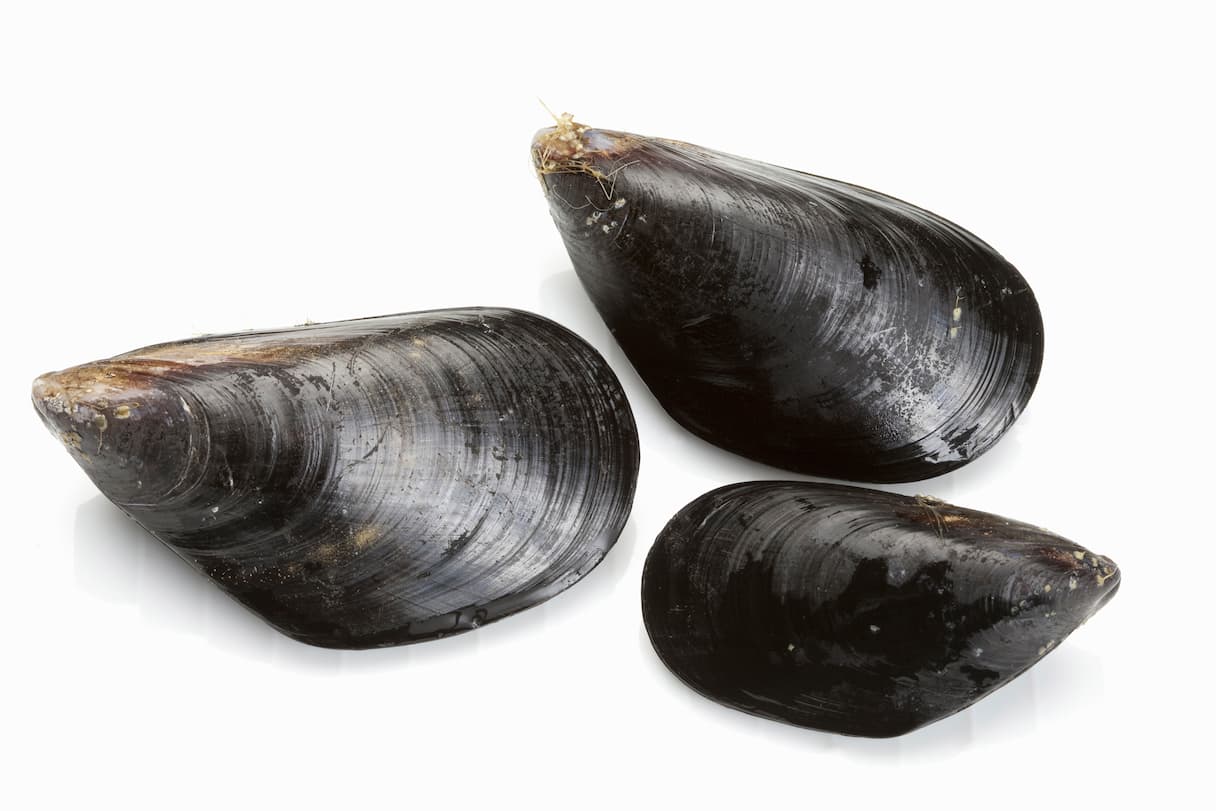
Mussels are characterized by their dark, teardrop- or pear-shaped shells. Unlike clams, they live attached to rocks or other surfaces by a network of filaments called byssus. Their orange flesh and intense sea flavor make them one of the most consumed shellfish, whether steamed, in sauce, or pickled.
Ostra
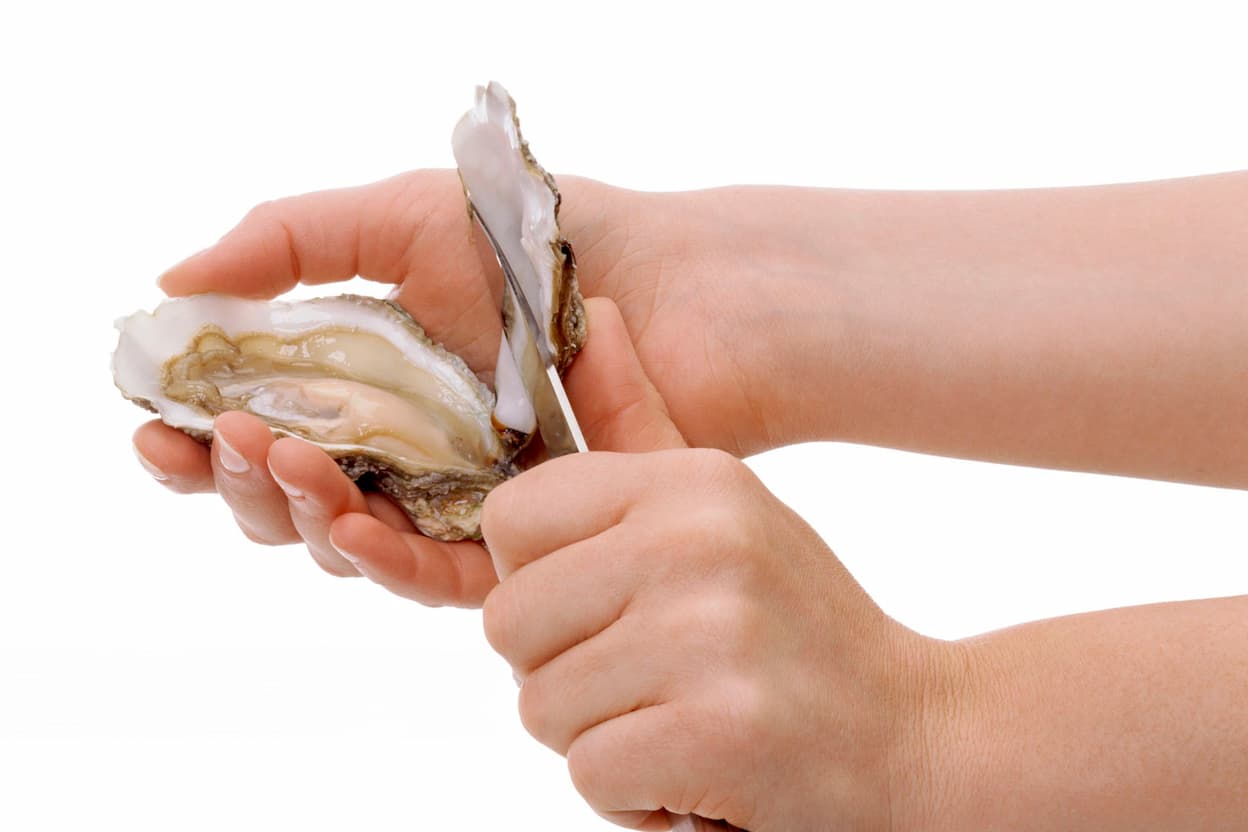
Oysters have irregular, rough, and uneven shells. They are famous for their ability to produce pearls and are considered a true delicacy. They are usually eaten raw with a touch of lemon to appreciate their complex texture and intense salty flavor.
Scallops and queen scallops
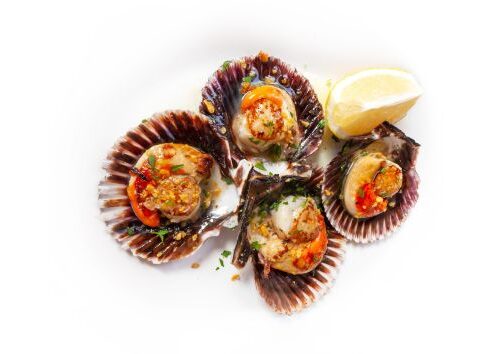
Scallops are recognizable by their iconic fan-shaped shell with radial ridges. What we consume is their large adductor muscle, with white, tender flesh and a delicate flavor. Scallops are very similar, although smaller and with a more concentrated flavor.
Cockles and clams
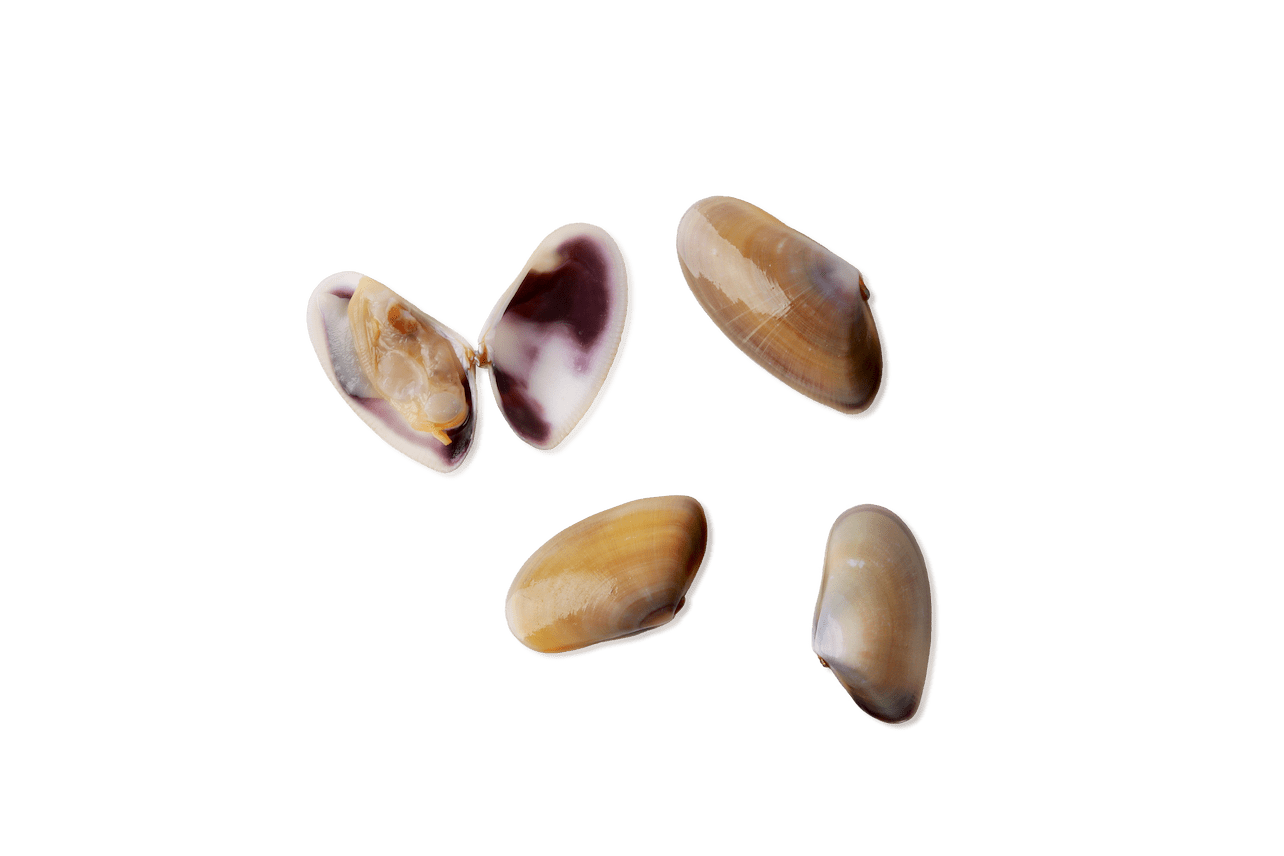
Cockles have an almost heart-shaped shell with prominent ribs. They are a classic appetizer, usually steamed open. Clams are much smaller, with a smooth, elongated shell, and are highly prized in southern Spain, often cooked with garlic.
Reproduction and Conservation
Bivalve reproduction is mostly external. They release their eggs and sperm into the water, where fertilization occurs. Larvae hatch from the eggs and remain part of the plankton for a time until they develop their shells and settle on the seabed.
Their filtering capacity makes them excellent bioindicators : the health of their populations reflects water quality. However, many species are threatened by pollution and habitat destruction, highlighting the importance of aquaculture and sustainable fishing practices. You can see how we do it here.
List of the 10 most common bivalves
- Clam: Versatile bivalve, essential in soups, stews and seafood dishes.
- Mussel: A bivalve widely consumed in gastronomy, especially steamed or in elaborate sauces.
- Ostra: Bivalve consumed raw or cooked, considered a delicacy in seafood gastronomy.
- Viera: Bivalve with a fan-shaped shell, highly prized in haute cuisine for its meaty muscle.
- Variegated Scallops: Very similar to a scallop but smaller, perfect for grilling with garlic and parsley.
- Cockle: Heart-shaped bivalve, ideal as a steamed appetizer.
- Razor: Bivalve with an elongated and rectangular shell, delicious grilled due to its tender texture.
- naughty: Small bivalve from coastal areas, excellent for quick garlic stir-fries.
- Chirla: Similar to a clam but smaller and with a more triangular shell, often used in rice dishes.
- Spit: A bivalve with a thick, rough shell, prized for its intense sea flavor, often eaten raw.