 Skip to content

What is a butterfish?
The butterfish, scientifically known as Lepidocybium flavobrunneum , also called the black escolar, is a species of marine fish belonging to the family Gempylidae . Ruvettus pretiosus (escolar) is often sold under the same common name. Both contain a high percentage of wax esters that are indigestible to humans , which can cause adverse gastrointestinal effects.
Source: Government of Spain
Characteristics of the butterfish
- Size: It can reach up to 2 meters in length and exceed 30 kg in weight.
- Coloration: Dark brown to black with blue highlights.
- Meat: White, firm but very juicy, with high fat content.
- Taste: Smooth, buttery, and with notes reminiscent of tuna or swordfish.
Behavior and Feeding
The butterfish is an active predator that lives in deep waters, generally between 200 and 800 meters deep. It feeds primarily on small fish, squid, and crustaceans. It is nocturnal and usually travels alone.
Types of butterfish
Although the name “butterfish” may refer to several species in some markets, the two main species are:
- Lepidocybium flavobrunneum (Black schoolboy or Chinese schoolboy)
- Ruvettus pretiosus (School or nail)
Both species contain waxy esters that can produce adverse effects if not prepared or consumed properly.
Nutritional values
Butterfish is an excellent source of protein and essential minerals, although its high fat content requires responsible consumption. Its main nutrients per 100g are detailed below :
Category | nourisher | Quantity per 100 g | % CDR |
Macronutrients | Calories | 167 Kcal | 7% |
Protein | 20 gr | 26 % | |
Fats | 9 gr | 10 % | |
Carbohydrates | 0 gr | 0% | |
Water | 70.5 gr |
| |
Minerals | Calcium (Ca) | 25 mg | 2% |
Iron (Fe) | 0.57 mg | 5% | |
Magnesium (Mg) | 28.5 mg | 7% | |
Phosphorus (P) | 274 mg | 39 % | |
Potassium (K) | 428 mg | 9% | |
Sodium (Na) | 101.5 mg | 7% | |
Zinc (Zn) | 0.88 mg | 8% | |
Selenium (Se) | 41.65 mcg | 75 % | |
Vitamins | Vitamin A (Retinol) | 31.5 mcg | 3% |
Vitamin B1 (Thiamine) | 0.13 mg | 11 % | |
Vitamin B2 (Riboflavin) | 0.17 mg | 13 % | |
Vitamin B3 (Niacin) | 5.13 mg | 32 % | |
Vitamin B5 (Pantothenic acid) | 0.81 mg | 16 % | |
Vitamin B6 (Pyridoxine) | 0.32 mg | 24 % | |
Vitamin B12 (Cobalamin) | 1.87 mcg | 77 % | |
Amino acids | Tryptophan | 0.22 gr | 27 % |
Lysine | 1.81 gr | 44 % | |
Leucine | 1.60 gr | 34 % | |
Valine | 1.02 gr | 40 % | |
Fats | Saturated fatty acids | 3.38 gr |
|
Monounsaturated fatty acids | 3.38 gr |
| |
Polyunsaturated fatty acids | 0.59 gr |
| |
Cholesterol | 74 mg |
|
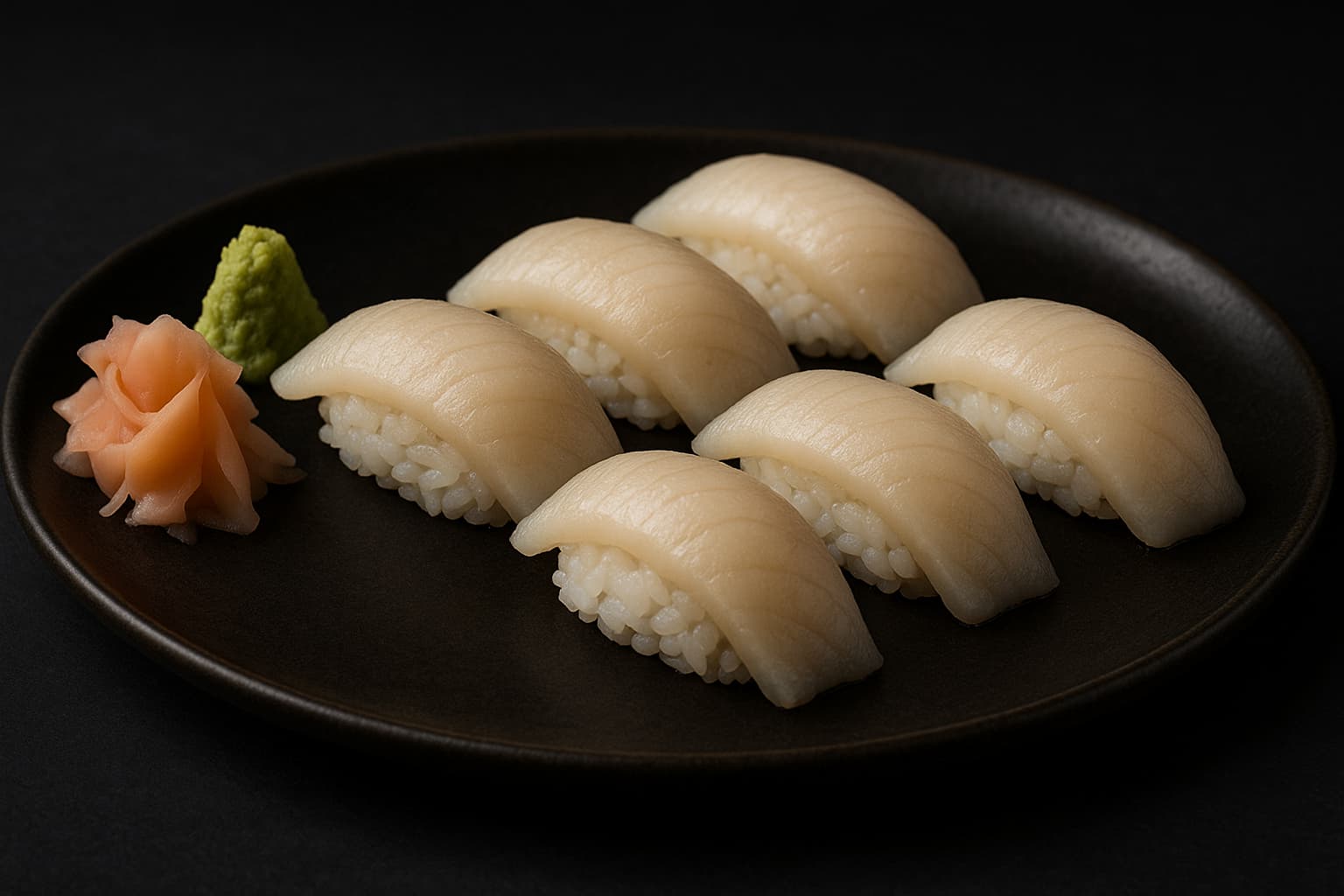
Habitat and Fishing Season
Habitat
The butterfish lives in tropical and subtropical waters around the world, especially in the Pacific, Atlantic, and Indian Oceans. It is a deep-water fish, very common in remote areas.
Fishing Season
There's no specific fishing season, as it can be caught year-round. Fishing for it is regulated in some countries due to its fatty composition and potential adverse effects.
Frequently Asked Questions About Butterfish
Is it safe to eat butterfish?
yes, but With precaution. The health authorities recommend Avoid consumption by children, the elderly, pregnant women, immunosuppressed people, and people with gastrointestinal pathologies. It is best consumed in small quantities and cooked in a way that minimizes its fat content.
How should butterfish be prepared?
It should be cooked on a griddle or grill, removing the skin and any visible fat. Never reuse the oil or cooking broth. Eating it raw is not recommended.
What effects can its consumption cause?
Its fat, rich in waxy esters, can cause severe diarrhea, nausea and vomiting 2 to 3 hours after consumption.
Is it the same as oilfish?
They are similar and both can cause similar effects, but they belong to different species: Lepidocybium flavobrunneum and Ruvettus pretiosus.