 Skip to content

Limanda fish, the healthy alternative to panga

What is the filefish?
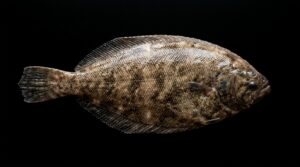
Lemon sole , also known as Japanese lemon sole , is a wild, flat fish with a flavor and texture similar to that of flounder. This species lives in the North Pacific Ocean. It is an excellent source of protein, boneless, very easy to cook, and is usually loved by children.
Filets of dab: presentation
The limanda is presented in frozen fillets and this can be presented in different forms:
- IQF or bulk
- Sanitized or double foot
- Bagged

Nutritional properties of Limanda
Nutritional Information for Japanese Dab Fillet:Nutritional information per 100 g
| Energetic value: | 58,9 kcal/246 |
| Proteins: | 12,1 gr |
| Carbohydrates: | <0,5 g (of which Sugars: 0 g); |
| Fat: | 1,1 g (of which Saturates: <0,7 g); |
| will: | <0,5g |
What kind of fish is the limanda?
The limanda, the ideal fish for children. Its scientific name is limanda aspera, and it belongs to the pleuronectiform fish family, i.e., flatfish, such as sole and turbot.
The alternative to the panga
The limanda is one of the fish that emerged as an alternative to panga.
Since then, both limanda and tilapia have replaced pangasius in children's cafeterias, where rumors and protests about pangasius's quality have intensified.
Is Limanda healthy?
Among the nutritional properties of lemongrass, we can highlight its high protein content (16 g per 100 g of fish). Lemongrass is also an important source of vitamins and trace elements. One serving covers 30% of the recommended daily requirement of phosphorus and 50% of the requirement of vitamin B6.
What does limanda mean?
Lemon sole is a fish belonging to the Pleuronectidae family, a group of fish with an asymmetrical, broad, and flattened shape, like sole, halibut, and turbot. It lives in the cold waters of the North Pacific and is commonly eaten in school cafeterias.