 Skip to content


We often think that preparing this amazing dish at home is an impossible mission, reserved only for expert cooks or luxury restaurants. Nothing could be further from the truth! With the right technique and the right ingredients, you too can succeed.
The best chef's trick? Use Delfín's frozen fish and seafood. It's your perfect ally for always having the best ingredients on hand, already cleaned and ready to cook. You save hours cleaning fish and guarantee a premium result with half the effort. Let's get down to business and prepare the ultimate recipe!
The origin of zarzuela: from the Mediterranean coast to your table
Zarzuela is a stew with a seafaring soul and a rich history. This dish is traditionally associated with Catalan and Mediterranean seafood cuisine, later spreading and enriching the gastronomy of the Balearic and Levantine regions.
Its curious name is no coincidence. Popularly, its origin is usually explained by the wonderful "variety and combination" of its ingredients, much like the national musical genre. Each fish and shellfish is a star that shines on the grand stage of the earthenware casserole dish.
Today, a good traditional seafood zarzuela is synonymous with celebration, Mediterranean identity, and enjoying sharing at the table.
Ingredients to prepare an authentic seafood stew

To make your fish stew taste like it came from a restaurant, the key is in the ingredients. Here's the ideal shopping list for 4-6 people.
We've divided the ingredients to make it super easy for you to put together this spectacular fish and seafood stew:
The fish: the solid base of the stew
- 4 to 6 monkfish tails: This is the essential fish because its flesh is firm and does not fall apart in the stew.
- 4 to 6 thick slices of line-caught hake: Adds smoothness and elegance.
Tip: The Delfín range of frozen options is perfect here. They come cleaned, cut, and ready to use. Simply defrost the fish and seafood, always following the package instructions and maintaining the cold chain.
El seafood: the festive touch of flavor
- 8-12 king prawns, langoustines or crayfish: The essential touch of luxury.
- 300g of mussels and 200g of clams: They will provide a pure taste of the sea.
- 300g of chopped Patagonian squid or cuttlefish rings: Texture and body for the sofrito.
The sofrito and the fumet: where the magic of the sea resides
- 1 liter of fumet: A good concentrated and homemade fish stock.
- Concentrated sofrito: 2 large onions, 3 cloves of garlic, 3 crushed ripe tomatoes and ñora pepper flesh.
- 50 ml of brandy or white wine: To deglaze and add aroma.
- Pantry essentials: Extra virgin olive oil, salt and a little flour.
The non-negotiable secret: how to make the traditional charcuterie board

If there's one thing that distinguishes a simple fish soup from a truly spectacular zarzuela, it's the Catalan picada. It's the master touch that binds and thickens the sauce, giving it an irresistible texture. Making it is super easy!
In a good mortar, add these ingredients:
- A handful of roasted almonds (without skin).
- One clove of garlic (without the central germ so it doesn't repeat on you).
- A few sprigs of fresh parsley.
- A slice of fried bread (or a Maria-type biscuit or carquinyoli for a sweet touch).
- A few strands of toasted saffron.
Grind everything patiently until you get a rustic paste. Just before adding it to the pot, thin it with a splash of the hot broth from the stew. That's the secret!
Step by step: traditional recipe for fish zarzuela
Follow these steps and we guarantee the result will be a resounding success. Get organized, put on some music, and enjoy the process.
1. Brown the seafood and sear the fish
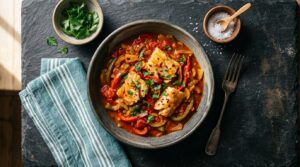
Pour a generous amount of extra virgin olive oil into an earthenware casserole dish (or a wide, shallow casserole dish). When it's hot, sear the prawns or shrimp on both sides until they release all their flavor. Remove them and set them aside.
Next, season the monkfish tails and hake with salt and lightly coat them in flour. Quickly sear them in the same oil over high heat. We don't want to cook them through, just create a protective crust. Remove and set aside.
2. The patient sofrito and the squid
In the same oil, infused with seafood juices, add the finely chopped onion. Sauté it over low heat until well caramelized. Stir in the garlic, the ñora pepper pulp, and the crushed ripe tomato.
This is a sofrito that needs pampering, so give it time. Once the tomato has reduced, add the Delfín squid rings to soften. Pour in the brandy or white wine and turn up the heat for a few seconds to allow the alcohol to evaporate.
3. The “chup-chup” and the final touch with the picada
Pour the hot fish stock or fumet over the sofrito. When it comes to a boil, carefully return the fish to the pot. Add the mussels and clams as well (previously steamed open to prevent them from releasing sand).
Pour the diluted Catalan picada over the top. Now comes the famous simmer: let everything cook together over low heat for 5-8 minutes. Instead of stirring with a spoon, gently swirl the pan back and forth so the sauce thickens naturally. The prawns or langoustines you set aside should only be returned to the pan during the last 1 or 2 minutes of cooking so they warm through without becoming tough.
Chef tricks to make it taste like a restaurant
- Don't overcook seafood: Fish and seafood have cooking times Very short. If you overcook them, they'll be dry. Follow the order of sealing and resting in the step-by-step instructions to keep them juicy.
- Rest is sacred: Like great stews, zarzuela's flavors meld when left to rest. It's incredible if it rests for 30 minutes before serving, and even better the next day.
- Convenience without sacrificing quality: By choosing Delfín's frozen fish and seafood, you avoid the messy work. You get perfect portions, no waste, no gutting, and the rapid freezing process helps preserve its quality.
Common mistakes when preparing zarzuela
To ensure your dish turns out perfectly and your sauce is at its ideal consistency, avoid these common preparation mistakes:
- Overcooking the fish: A high-temperature sear is sufficient; do not overcook it while simmering.
- Stir with a spoon: You will break the fish fillets; always use a circular back-and-forth motion with the handles of the saucepan.
- Using cold stock: It will abruptly stop the cooking of the sofrito; make sure to always add it piping hot.
- Add the chopped ingredients too soon: They should always be added at the end to thicken the sauce without sticking to the bottom of the pan.
When serving, we recommend bringing the earthenware casserole directly to the table to keep it warm, and of course, accompany it with a good slice of bread because the sauce deserves it.
Pairing: What wine should accompany this delicacy?

A festive dish deserves a drink to match. Zarzuela practically demands wines that can stand up to the intensity of its marinara sauce and picada.
We recommend a white wine with some structure and aging, such as a good Chardonnay or a Godello aged on its lees. But if you want to take the experience to the next level, uncork a brut nature cava from the Penedès region. Its bubbles cleanse the palate and harmonize magically with the taste of the sea.
FAQ
Can you freeze fish stew once it's cooked?
It's not the best idea. When thawed after cooking, it can lose texture, especially seafood. It's much better to calculate and prepare just the right amount or store it in the refrigerator; consume it as soon as possible and always keep it refrigerated to maintain its quality.
What is the difference between zarzuela and fish opera?
The term "opera" is usually used to refer to an even more opulent and luxurious version that incorporates top-quality seafood, typically lobster or crayfish as the star ingredient. Zarzuela, on the other hand, while festive, is traditionally considered a popular dish.
How do I prevent the fish from falling apart in the sauce?
The traditional trick is to lightly coat the fish fillets or steaks in flour before searing them over high heat in the pan. This creates a thin protective crust that seals in the juices and prevents the flesh from falling apart during the final simmering.