
- January 26, 2024
Maragota (Labrus bergylta)
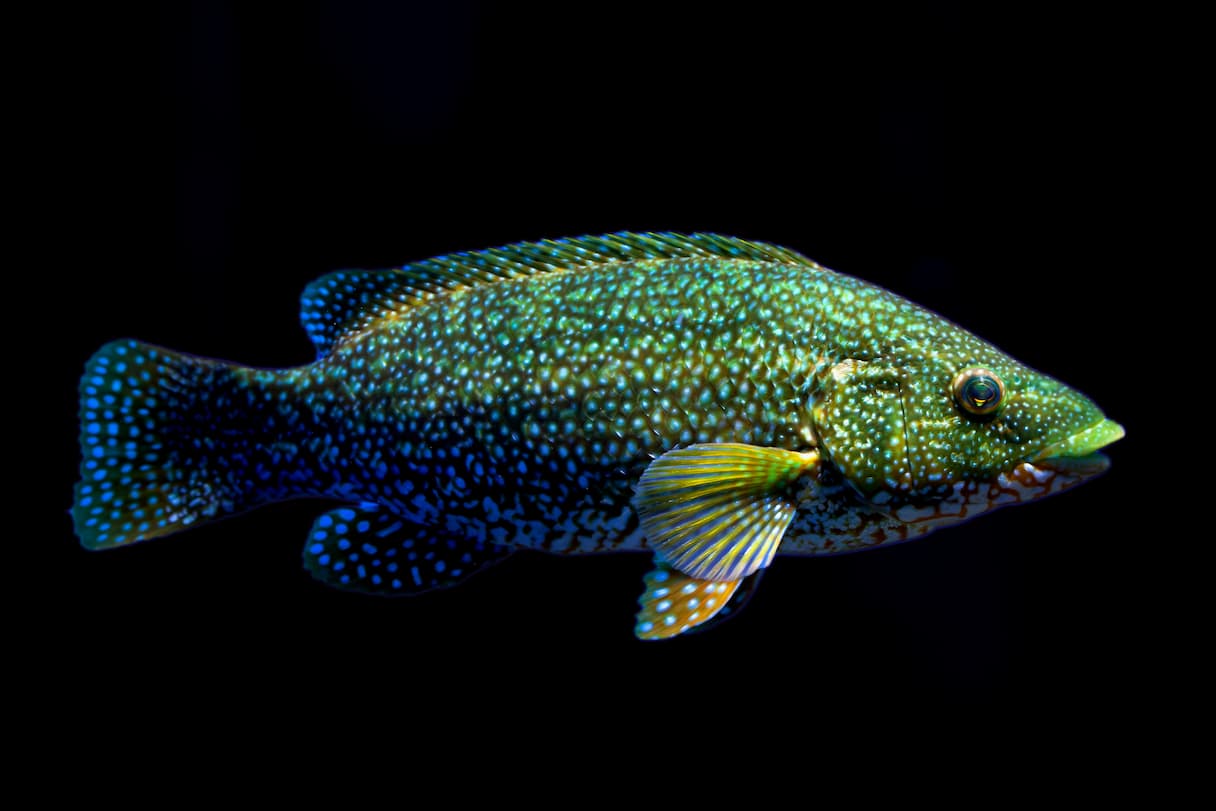
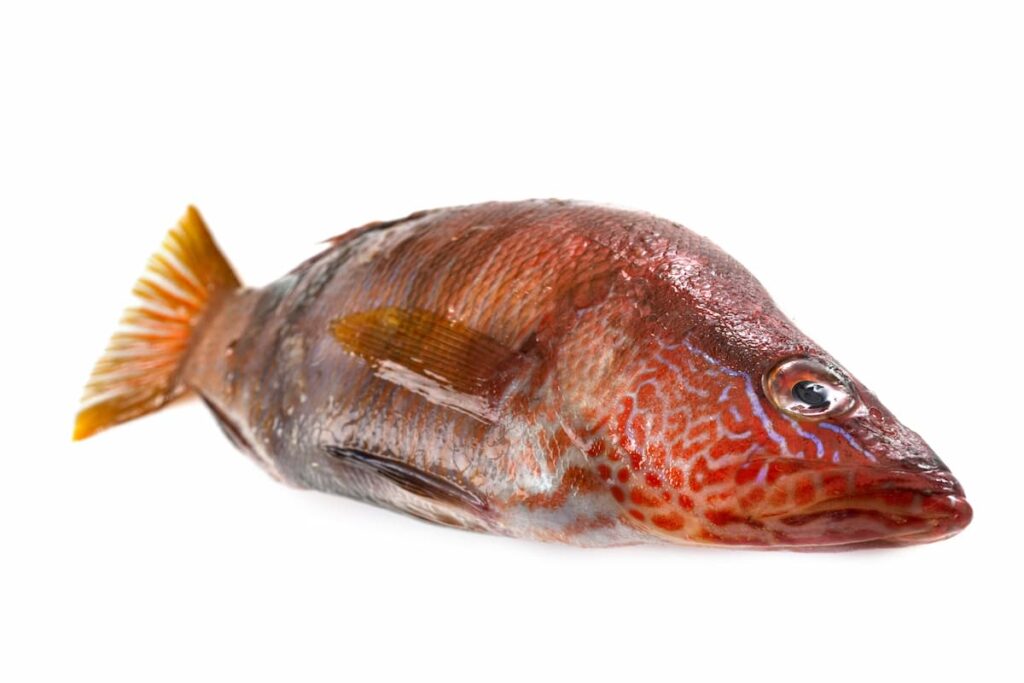
The Maragota , scientifically known as Labrus bergylta , is a white fish that is generating increasing interest, both in the culinary field and in sustainable fishing.
Characteristics of Maragota
This bony fish , prized for its delicate flavor and firm texture, has gained relevance in the frozen food market, offering an excellent option for consumers looking for healthy and tasty alternatives.
The ballan wrasse (Labrus bergylta) is a fish that stands out for a number of unique characteristics that make it particularly prized in both the culinary and fishing industries. Below are some of the most relevant properties of this species:
- Morphology: The Maragota is recognizable by its robust, elongated body, which can grow up to 60 cm long. Its head is large in relation to its body, with a rather prominent mouth. The Maragota's coloration varies, ranging from olive green to brown, with darker markings that help it camouflage itself in its natural environment.
- Fins: It has broad pectoral fins and a long, continuous dorsal fin, which gives it great maneuverability in the water.
- sexual dimorphism: A fascinating aspect of this white fish is its ability to change sex throughout its life, a phenomenon known as sequential hermaphroditismThey begin life as females and, at a later stage, can transform into males, a trait that is key to understanding their reproduction and population dynamics.
- Adaptability: It is a remarkably adaptable fish. It prefers rocky bottoms and areas with abundant marine vegetation, but can also be found on sandy bottoms. This adaptability allows it to survive in different conditions and makes it a common species in various areas of the Atlantic.
- Behavior: The Maragota is a territorial and solitary species. They are often found in small caves or crevices, from which they emerge to feed. Their diet includes crustaceans, mollusks, and small fish, which classifies them as an omnivorous species.
PREMIUM QUALITY
The term "Maragota ," while generally referring to the species *Labrus bergylta*, actually encompasses several different types within the same name. Although there are no formally recognized subspecies of Maragota, there are variations that can be identified based on their habitat and physical characteristics . These variations are not distinct types in the taxonomic sense, but rather differences observed in individuals of the same species due to environmental and behavioral factors. Some of these variations are described below:
- Coastal Maragota: This species is commonly found in shallow waters near the coast. It is characterized by more intense coloration and a generally smaller size compared to those that inhabit deeper waters. Its diet consists primarily of small coastal invertebrates.
- Deep Water Maragota: As its name suggests, this type is found in deeper waters. They tend to be larger and have slightly duller coloration. These individuals feed on a variety of smaller fish and organisms that inhabit deeper bottoms.
- Maragota Youth: Juvenile Maragota monkeys have distinct characteristics compared to adults. Their coloration is more vivid and they have more pronounced patterns on their skin. These patterns help them camouflage themselves better from predators.
It is important to note that these variations do not represent different types from a biological perspective . The differences observed in the Maragota are primarily adaptations to its environment and life stage, demonstrating the flexibility and adaptability of this species.
Nutritional Values of Maragotas
The Maragota is not only appreciated for its flavor and culinary versatility, but also for its high nutritional value , making it a healthy option for a balanced diet. Here are some of the main nutritional components of this fish:
- High Quality Proteins: Maragota is an excellent source of protein, essential for maintaining and developing muscle mass. The proteins found in this fish are of high quality, meaning they contain all the essential amino acids necessary for the human body.
- Omega-3 fatty acids: Like other fish, the maragota is rich in omega-3 fatty acids. These nutrients are crucial for cardiovascular health, helping to reduce cholesterol and triglyceride levels in the blood.
- Vitamins and minerals: This fish provides a variety of vitamins, including Group B vitamins, essential for energy metabolism and the health of the nervous system. In addition, it is a good source of minerals such as match, important for bone and dental health, and the iodo, essential for the proper functioning of the thyroid.
- Low in Fat and Calories: Despite its rich nutrient content, the Maragota is a low-fat, low-calorie fish, making it an excellent choice for those looking to maintain a balanced diet and control their weight.
Habitat
The ballan wrasse (Labrus bergylta) is a fish that primarily inhabits the waters of the Northeast Atlantic , with a significant presence off the coast of Galicia . Its habitat extends from the surface to depths of around 50 meters, although it is more commonly found in areas between 10 and 30 meters deep.
Habitat Features:
- Rocky Bottoms and Algae: This species prefers rocky bottoms with abundant algae. These areas provide both food and shelter from predators. Seaweed, in particular, is essential to their diet, especially for the youngest specimens.
- Coastal Zones: Although they can be found in deeper waters, Maragotas typically inhabit coastal areas. This preference for shallow waters makes them easier to catch and accessible to a wide range of fishing techniques.
Season and Fishing Gear
Maragota fishing season
The fishing season for the wrasse varies by region, but generally runs from spring to late autumn. During this period, wrasse come closer to shore to feed and breed, making them easier to catch.
It is important to consider local fishing regulations, which may include closed periods and catch limits, to ensure the sustainability of the species.
How to fish for snappers
There are various techniques for hunting this fish, adapted to its behavior and habitat.
- Angling: The most common technique is fishing with a rod from boats or from the shore. Natural or artificial baits are used to attract fish.
- Underwater Fishing: Another popular technique is spearfishing, practiced by divers who search for Maragotas in their natural habitat.
- Nets and Traps: In some regions, nets and traps are used to capture maragotas. These methods are effective, but must be carefully regulated to avoid overfishing and negative impacts on the marine ecosystem.
Frequently Asked Questions about this fish
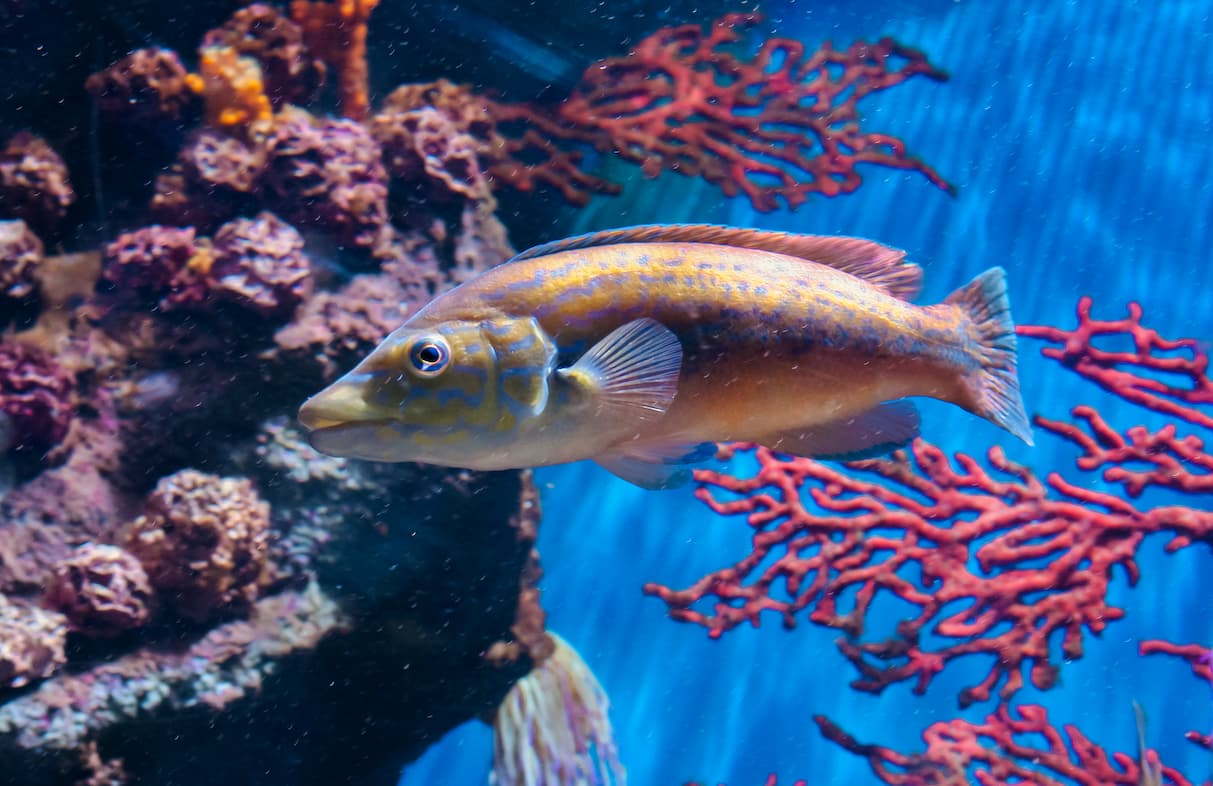
Although the Pinto (Labrus bimaculatus) and the Maragota (Labrus bergylta) belong to the same family, they differ in:
- Appearance: The Maragota is usually larger, with colors ranging from green to brown to blue. The Pinto is smaller, with more varied coloration.
- Habitat and Behavior: Both live on rocky bottoms, but may have slightly different preferences in depth and diet.
- Culinary Use: Maragota is more common in gastronomy, especially in Galicia, while Pinto is less well-known in this regard.
These differences are key to their identification and use in cooking and fishing.
Look at what a Pinto looks like in the following image:
It's versatile in the kitchen and can be prepared in a variety of ways: baked, grilled, in stews, or even raw in dishes like ceviche. Its firm flesh maintains its shape and texture with a variety of cooking methods, making it ideal for a wide range of recipes.
The sustainability of the Maragota depends on responsible fishing practices. Although it is not currently endangered, it is important to respect fishing regulations, such as closed seasons and catch limits, to ensure its long-term conservation.