 Skip to content


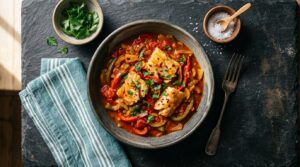
Escabeche is much more than a recipe; it's a traditional Spanish preservation technique that our grandmothers mastered. It's a clever way to extend the life of fresh fish, filling it with unmistakable nuances and aromas.
If you've always wanted to prepare this culinary gem at home, with that classic, time-honored flavor, but adapted to modern conveniences, you've come to the right place. Here, we'll tell you everything you need to know: which fish to choose, the tricks to perfect it, and how to store it safely. Want to make the best escabeche of your life? Let's get started!
Pickling: a preservation method with a long history
Before the advent of refrigerators, preserving food was a real challenge. Pickling emerged as a brilliant solution, establishing itself as an essential traditional preservation technique in our culinary culture.
The basis of this preparation lies in acidity. Although the acidity of vinegar helps preserve food, it's important to remember that it doesn't guarantee the safety of the homemade product on its own. The combination of vinegar and oil helps protect the fish, as long as it's kept refrigerated. The result is a traditional preservation technique, provided good hygiene and refrigeration practices are followed, and a practical and delicious way to enjoy fish with a unique flavor profile.
What fish should you choose for a perfect escabeche?
When preparing a good fish escabeche, the choice of main ingredient is key. The golden rule is to look for fish that withstands cooking and resting well without falling apart.
- Blue fishThey are the undisputed kings thanks to their firm texture and fat content, which perfectly absorbs flavors. Star examples include mackerel, horse mackerel, sardines, and horse mackerel.
- White fish: These are also a great option if you're looking for firm flesh and pieces that don't fall apart easily, such as cod, sea bass, or monkfish.
But if there's one star that truly shines, it's the albacore tuna . Pickled albacore is, without a doubt, the king of homemade preserves in summer. A true delicacy that elevates any salad or appetizer to another level.
Key ingredients for the traditional recipe

For spectacular results, there are no shortcuts: you need top-quality ingredients. The quality of the vinegar and oil will determine the success or failure of your dish. To prepare approximately 1 kg of fish, here's what you'll need in your pantry:
- Extra Virgin Olive Oil (EVOO): About 2 glasses. This is the base of our marinade. Use a good quality one, but not one that is excessively bitter so as not to mask the fish.
- White wine vinegar: Approximately 1 glass. It provides the necessary acidity to preserve and give that traditional sparkling touch.
- Purple garlic: 1 whole head. Use with the skin on, giving it a light tap to slowly release its aroma.
- Bay leaf: 2 or 3 dried leaves to add that unmistakable balsamic touch.
- Black peppercorns: 1 tablespoon for a spicy and aromatic touch that explodes in the mouth.
- Pimentón de la Vera (sweet or bittersweet): 1 teaspoon. Responsible for that beautiful orange color and the smoky touch so characteristic of our gastronomy.
How to make pickled fish step by step

If you're wondering how to make pickled food at home without any hassle, follow these steps. This pickled food recipe is a classic that never fails.
- Step 1: Preparation and lightly fried fishClean the fish thoroughly (removing bones and entrails). Season it with salt, lightly coat it in flour (optional, it helps thicken the sauce slightly), and fry it for a couple of minutes in plenty of extra virgin olive oil. We only want to sear it, not cook it completely. Remove it and set it aside in a clean, food-safe container, preferably glass.
- Step 2: Making the broth. In the same oil (filtered if there are any bits left), reduce the heat and add the crushed purple garlic, bay leaf, and black peppercorns. When the garlic is tender, remove the pan from the heat to allow it to cool slightly and add the paprika. Stir quickly to prevent it from burning.
- Step 3: The magic ratio. Return to the heat and add the liquids. The traditional rule is usually 2 parts oil to 1 part vinegar. If you're looking for a more intense flavor, you can increase the proportion of vinegar, or add a little water or white wine if you prefer a milder taste.
- Step 4: Gentle cooking. Let this marinade simmer for about 10-15 minutes. Pour this boiling liquid over the reserved fish, making sure the fish is fully cooked before storing it.
The secret lies in rest.
Careful! Don't eat it yet. Freshly made escabeche doesn't taste half as good as it will tomorrow. The big secret to this recipe is that it usually improves in flavor after 24-48 hours of resting in the refrigerator. During this time, the flavors meld, the vinegar loses its sharpness, and the fish absorbs all the aromas of the spices. Patience is the best ingredient.
Food preservation and safety tips
Homemade pickling requires certain precautions. It's essential to distinguish between storing it to eat within a few days in the refrigerator or wanting to make a long-lasting preserve.
Quick checklist for short-term consumption (Refrigeration):
- Use a very clean container (it is not necessary to sterilize the jars if it is for quick consumption in the refrigerator, it is enough that they are perfectly clean).
- Make sure the fish is completely submerged and covered by the pickling liquid.
- Never leave pickled fish at room temperature on the countertop once it has cooled down.
- Consume it within a few days and always keep it refrigerated.
Long-term preservation:
For long-term preservation, follow official home preservation guidelines or use a commercial product. Do not attempt to store fish for months in the pantry without officially validated sterilization processes, as this poses a food safety risk.
How to enjoy your pickled fish

Your pickled fish is ready and has rested long enough. Now what? The options are endless:
- In a salad: Flake your pickled bonito over some ripe pink tomatoes, spring onions, and olives. You don't even need to add dressing—just use the marinade!
- On toast: Toasted sourdough bread, a roasted pepper, and pickled mackerel fillets on top. A luxurious appetizer.
- With boiled potatoes: Serve the fish alongside boiled potatoes that will absorb all the flavor of the olive oil and paprika.
Can I use apple cider vinegar?
Yes, it is much milder and fruitier, but the traditional Spanish recipe usually calls for white (or red) wine vinegar to achieve that more powerful and authentic flavor.
Can you make escabeche with frozen fish?
Absolutely! It's an excellent option. You can use frozen fish if it's properly thawed in the refrigerator until completely thawed, patted dry with paper towels, and then cooked.
Why has my pickled fish turned cloudy?
This may be due to too much flour when frying the fish (which then thickens and clouds the sauce) or to using too high a heat when boiling the liquids, which sometimes causes the oil and vinegar to emulsify.
Go ahead and try this classic recipe and discover the pleasure of opening the fridge and having a traditional treat ready to enjoy!