 Skip to content


But beyond nostalgia and vacations, this fish has a hidden potential that you should take advantage of in your daily life. Besides being an economical and absolutely delicious option, sardines are a treasure trove of good things for the whole family.
In this article, let's get down to business! You'll discover why this small oily fish is a nutritional powerhouse. We'll tell you all about its properties, the benefits it provides to your body, and, most importantly, practical cooking tips for preparing it at home, making the smell much more bearable. Are you ready to rediscover our great ally from the sea?
What is a sardine and why is it a treasure of our seas?

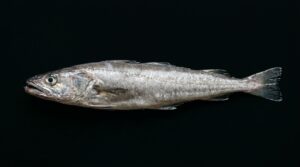
The sardine, whose scientific name is Sardina pilchardus (as recorded in the official Ictioterm database ), belongs to the Clupeidae family. To put it simply, it is a close relative of other classic Spanish dishes such as anchovies and herring.
It's one of the cornerstones of the Mediterranean diet and plays a leading role in the history of traditional fishing in Spain. This is the classic small oily fish , a characteristic that works entirely in our favor when we're trying to eat healthily.
Despite its unassuming appearance, it packs a surprisingly high amount of nutrients into its small size—something other products can only dream of. It's versatile, affordable, and never disappoints when you're looking for a tasty and comforting meal.
Properties of sardines: energy and nutrients in mini format
If we analyze all the benefits they offer, you'll realize that sardines have fantastic properties for enriching our diet. They're like a concentrated dose of the sea, but much richer.
Here's a quick summary of everything they hide beneath their silver scales:
- Proteins for your muscles: They provide quality proteins, ideal for everyday use.
- Very good fats: They provide healthy fats, including the famous Omega-3.
- Key vitamins: They are an interesting source of Vitamin B12 and Vitamin D.
- Sea minerals: They provide essential nutrients such as phosphorus, selenium, iodine, and iron. Quite a lot!
Benefits of sardines for your body
Including fish in your weekly menu is a great idea, and if you choose oily fish, the benefits of sardines are especially noticeable. We'll explain clearly how they can help you:
They take care of your heart
Our great ally from the sea contributes to a heart-healthy diet within a balanced diet thanks to its profile of good fats.
Support for your skeleton
Thanks to the teamwork of phosphorus and the benefits it provides, eating this fish is a great ally for maintaining normal bone health.
A small, calm fish
Being a small fish with a short lifespan, the sardine is often considered a more peaceful option compared to the large ocean predators that accumulate more metals.
As always, the key is to integrate them into a varied and balanced diet to get the most out of your health.
From the sea to the fishmonger: How to choose them and when is their best time?
Although sardines are available year-round these days, traditionally in Spain the season begins with the arrival of warmer weather. From the night of San Juan (St. John's Eve) and throughout the peak summer months, tradition dictates lighting the grill.
According to popular wisdom, they are best enjoyed in the months without the letter 'r' (May, June, July, and August). It is then that traditional cuisine believes they accumulate a spectacular amount of fat, resulting in juicy and flavorful meat.
Quick checklist before buying them:
- Eyes: They should be bright, clear, and bulging.
- Skin: Look for a deep, smooth, metallic silver color.
- Body: When holding them, they should remain rigid and firm.
- Scent: They have to smell like a clean, fresh sea.
- The expert tip: Order them at the end of your visit to the market so as not to break the cold chain.
How to cook sardines at home (and enjoy them without complications)

Every cook's number one fear is the smell in their home. But don't worry, because you're about to lose that fear. We'll show you the most common methods with tricks that will greatly help make the smell manageable and ensure a successful cooking experience.
Grilled sardines: the trick to keep the kitchen from smelling
Grilling sardines is quick and delicious. You just need to heat the pan well, add a drizzle of extra virgin olive oil, and some coarse salt. But to make the smell much more bearable, take note:
Try making a bed of coarse salt directly on the pan before adding the fish; the salt helps control splattering and smoke. You can also add a few lemon slices to the pan.
If you want to make even less of a mess, try wrapping them in tightly sealed parchment paper (papillote style) on the same griddle; they cook in their own juices and hardly make a mess.
Baked sardines: the cleanest and most consistent option
If you have guests or a large family, the oven will be a lifesaver. It's a fantastic technique because you can cook many dishes at once, cleanly and efficiently.
Place them on a baking tray lined with parchment paper, add a splash of white wine, finely chopped garlic, and fresh parsley. They'll be perfect in no time at around 200ºC (390ºF). As a visual guide: they'll be ready when the skin peels away easily and the meat looks juicy.
Fried sardines: the crispy touch of the south
We're heading south to enjoy a mouthwatering fried dish . For perfect results, use small sardines (parrochas), dry them well, and give them a very light coating of wheat or chickpea flour.
Fry them in very hot olive oil. This will make the outside golden and crispy quickly, while keeping the inside tender.
Canned sardines: the perfect and healthy solution in your pantry
We don't always have time to go to the market, and that's where canned sardines come in. Far from being a boring backup plan, canned fish is a wonderful option for your pantry.
During the canning process, the bones soften. Consuming the whole fish with its softened central bone can increase the calcium intake in our meals.
Having them on hand is a wonderful lifesaver for putting together a quick dinner, topping a good tomato salad, or sprucing up a snack on toast. They're practical, economical, and a great addition to a balanced diet.
Do you have to remove the scales and guts before cooking them?
It depends on the size and preparation. For small sardines or very fresh sardines, you can cook them whole. However, for larger ones, the general recommendation is to remove the guts to avoid unwanted bitter flavors in the flesh.
Can fresh sardines be frozen?
Yes, you can freeze them without any problem. A fantastic organizational trick is to freeze them in small portions and in tightly sealed containers for quick dinners. Remember to remove the entrails beforehand, dry them thoroughly, and consume them as soon as possible to best preserve their quality and flavor.