 Skip to content


What is tuna tataki and why is it so popular?
If you're wondering what tataki is , you should know that it's not the name of a dish, but rather a Japanese cooking technique. It consists of searing fish or meat over very high heat for a few seconds, leaving it completely raw inside.
This preparation highlights the natural flavor of the main ingredient, achieving an incredible contrast of textures. It's important to distinguish it from sashimi, which is simply sliced raw fish, without any external cooking.
Bluefin tuna tataki ( Thunnus thynnus ) has become immensely popular because it is light, high in protein and omega-3, as well as being visually spectacular on the table.
Ingredients for a perfect red tuna tataki
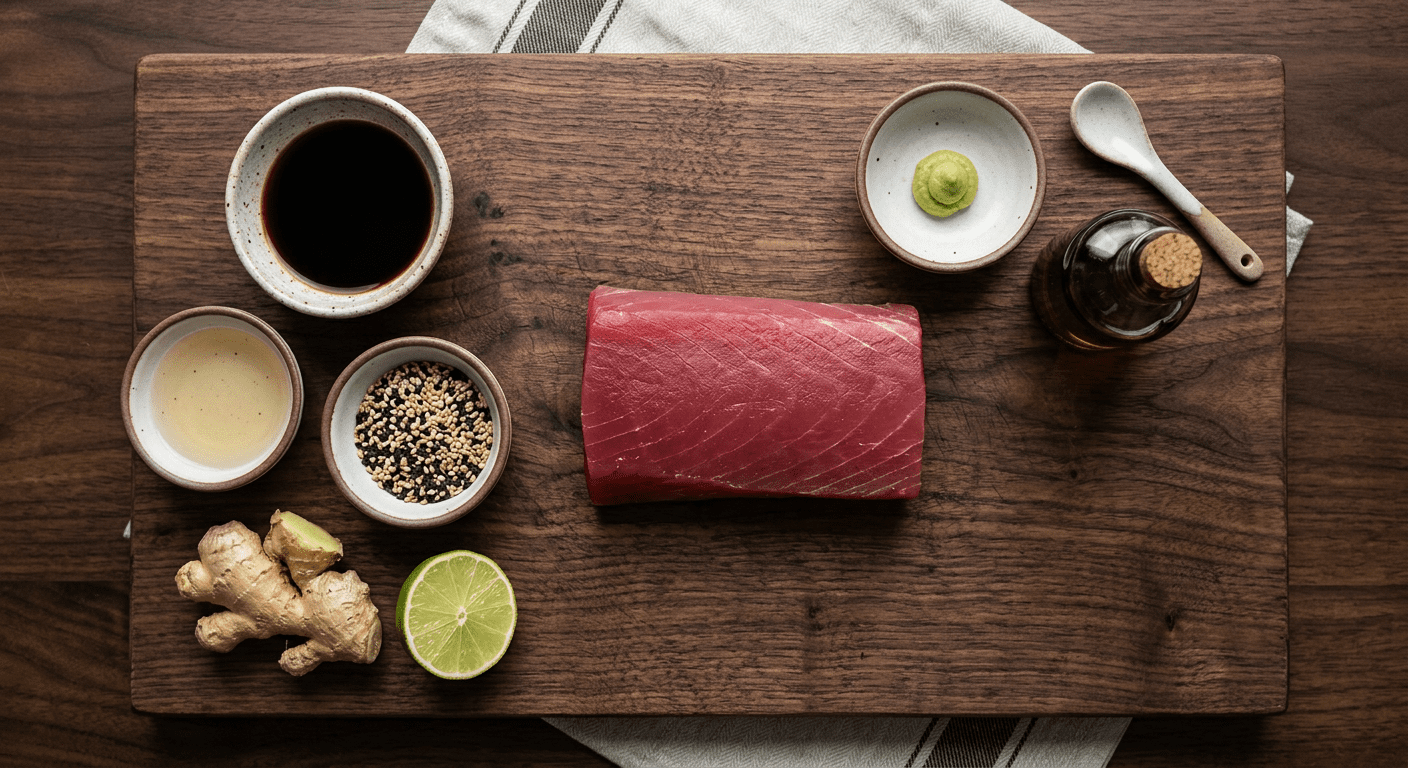
To achieve a professional result, the quality of the raw materials is non-negotiable. Make sure you have the following items:
- 400 g of Delfín bluefin tuna loins high quality.
- Seeds of sesame (mixture of black and white) for coating.
- A drizzle of mild olive oil or sesame oil for the frying pan.
- 100 ml soy sauce.
- 30 ml rice vinegar (or mild apple cider vinegar).
- 1 teaspoon of fresh ginger grated.
- Juice of half a lime or lemon.
Optional: a pinch of wasabi to taste.
How to make tuna tataki step by step
The importance of cutting and freezing
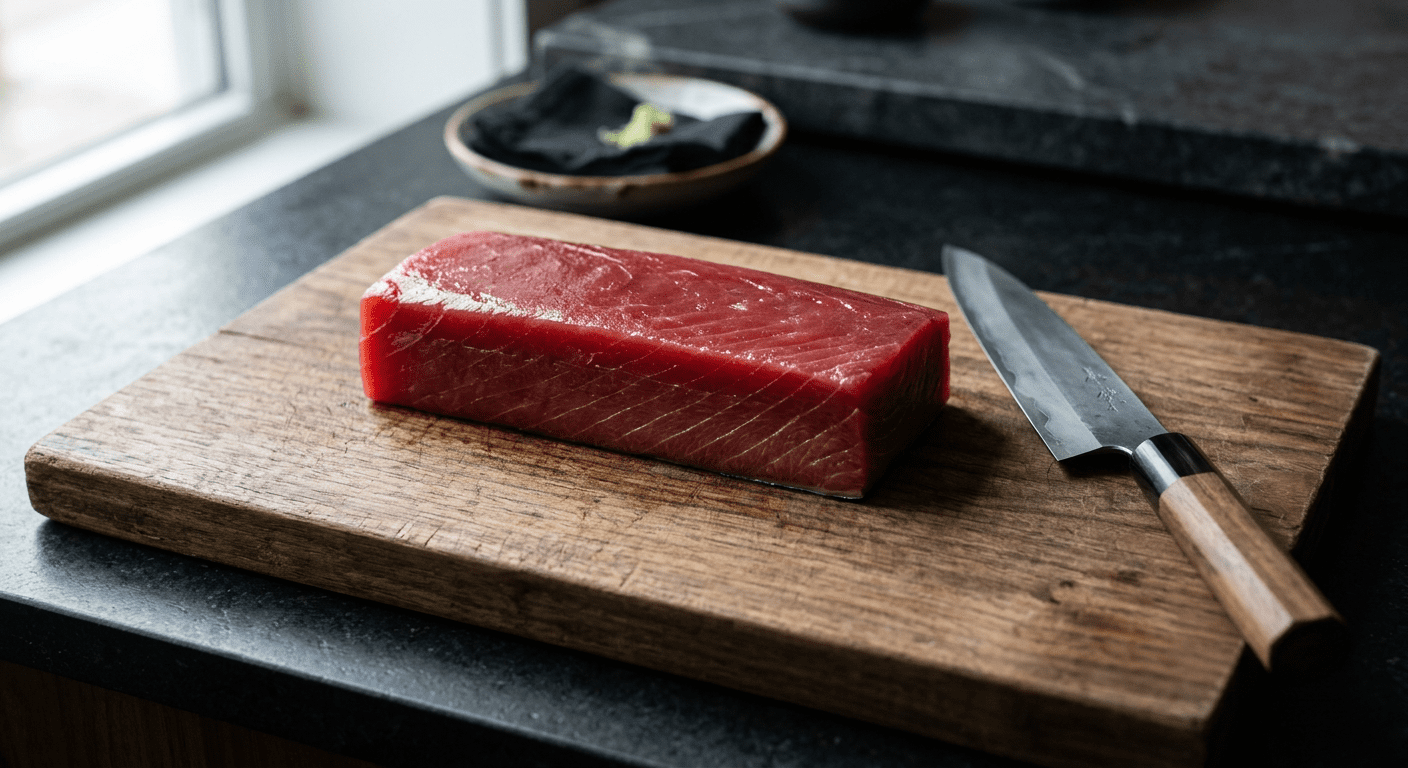
For the dish to be perfect, the tuna must have a clean cut. In Japan, this is called the Saku cut , which consists of trimming the loin to obtain a rectangular and uniform block. This ensures that the searing is even on all sides.
In Spain, food safety is paramount. To prevent Anisakis , health authorities recommend pre- freezing fish. Defrost tuna slowly in the refrigerator before using it to maintain its texture.
The marinade: the secret to flavor
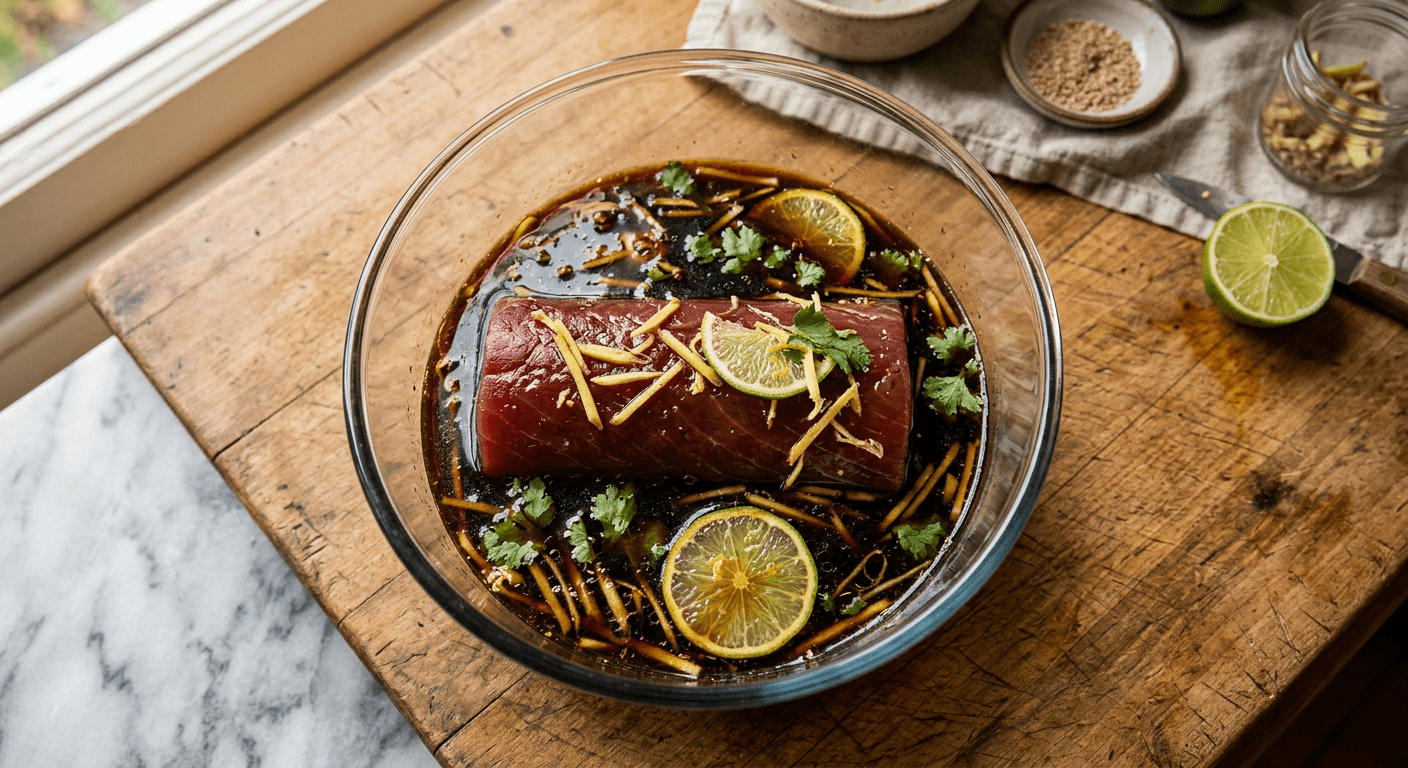
In a deep bowl, mix the soy sauce, rice vinegar, lime juice, and fresh ginger. Add the rectangular block of tuna, making sure it's well coated on all sides.
Cover the container and let it rest in the refrigerator for 30 to 60 minutes. This step is what gives it its characteristic deep flavor. After that time, remove the pork loin and pat it dry with paper towels. Reserve the liquid.
The perfect seal and the sesame coating
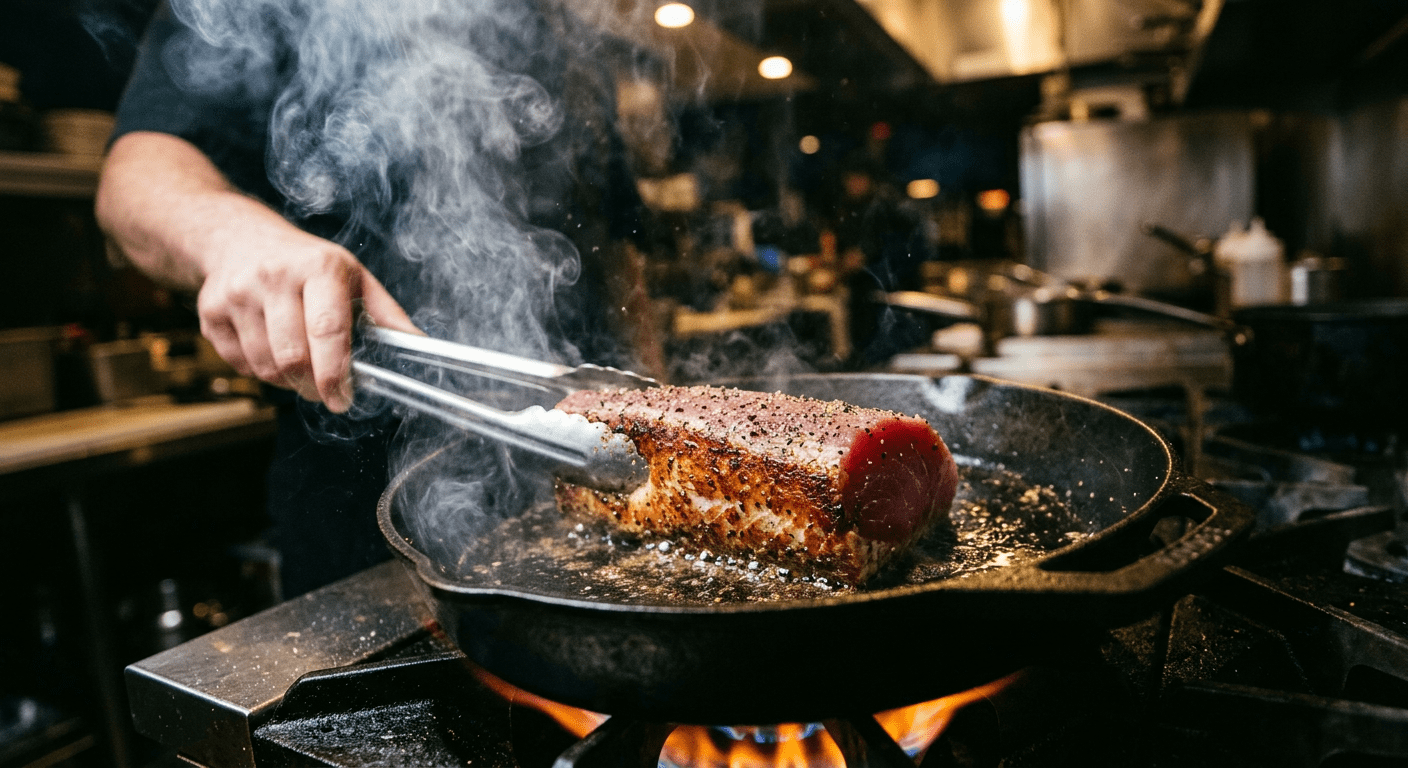
Heat a non-stick frying pan over high heat with a few drops of oil. When it starts to smoke, add the tuna. Look for the Maillard reaction : that quick browning that caramelizes the outside, sealing in the juices.
Cook it for just 10-15 seconds on each of its four sides and remove it from the heat immediately. If you want classic sesame-crusted tuna tataki , press the still-hot block onto a plate covered with the seeds so they adhere well.
The best sauce for tuna: options and variations
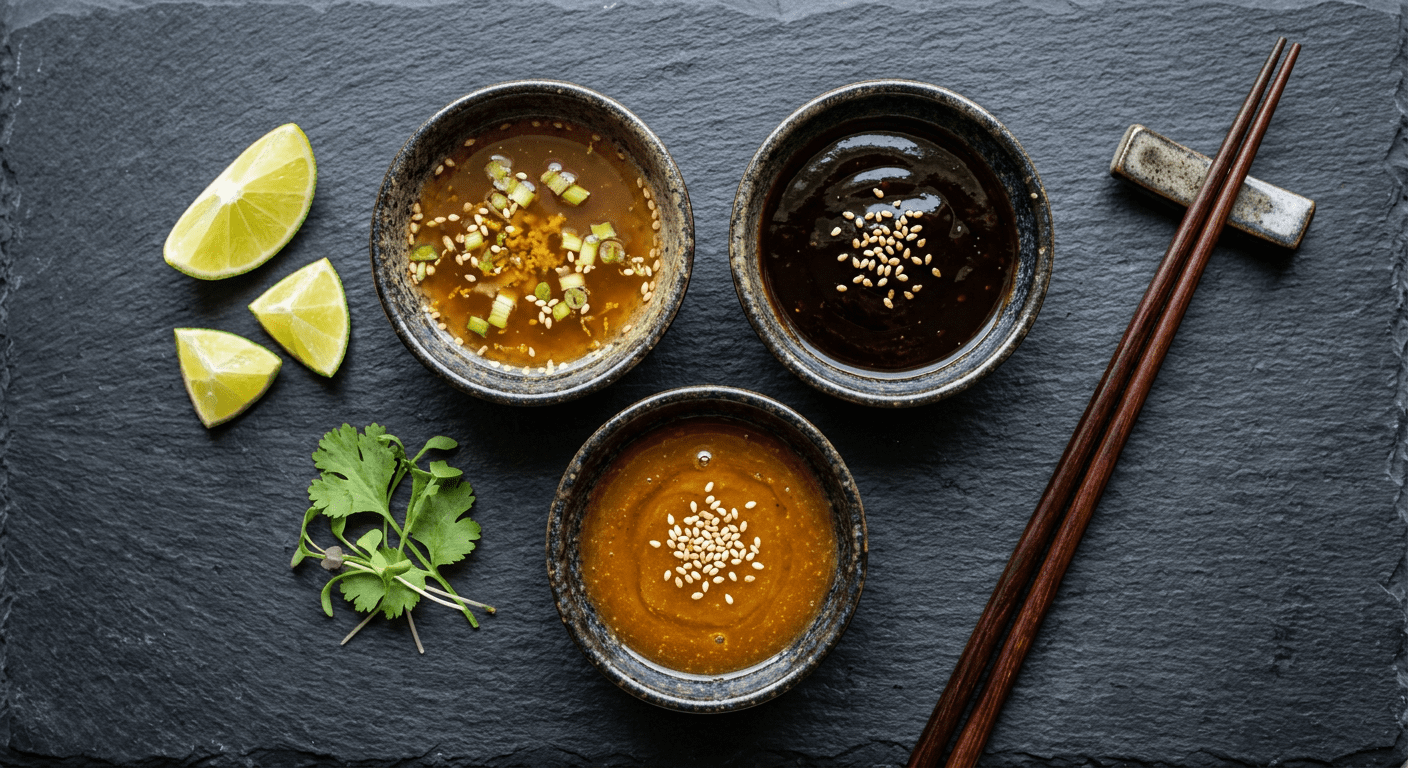
Although you can use the reduced marinade liquid, there are incredible options to accompany this dish and enhance its flavor:
- Classic Ponzu Sauce Recipe: Mix soy sauce, citrus fruits (yuzu or lime) and a touch of mirin. It's the freshest and most authentic option.
- Soy and honey sauce for tuna tataki: Ideal if you're looking for a sweet and salty contrast with a denser texture.
- Trading options: Quick alternatives like the tataki sauce Mercadona or Lidl tuna tataki They'll get you out of a pinch. However, the homemade version is always superior and respects the quality of good pork loin much better. frozen tuna of controlled origin, like those from Delfín, which are the ones that really make the difference.
- Tuna tataki with teriyaki sauce: Its glazed texture gives the fish a spectacular shine and flavor.
What to serve with tuna tataki
Tuna tataki shines on its own, but a good side dish elevates it to the next level. Serve it as a main course or starter with these great ideas:
- Tuna tataki salad: A base of green sprouts, diced avocado and cherry tomato dressed with the leftover sauce.
- Classic Japanese: Accompany it with a salad wakame seaweed seasoned and some steamed edamame for a Tuna tataki with wakame Traditional.
- Oriental style: Serve it on a bed of white sushi rice or quinoa, adding an extra touch of sauce for tataki tuna.
Chef tricks for a professional result
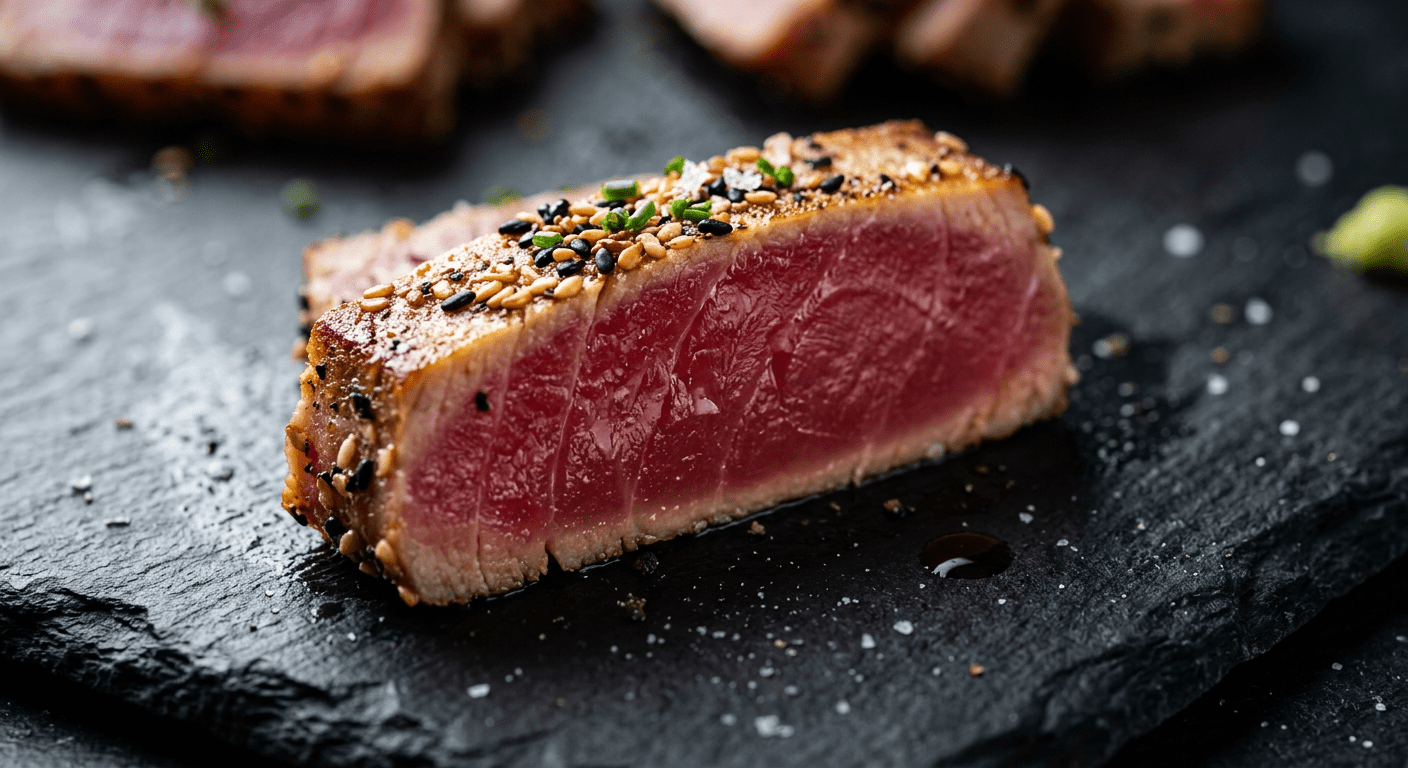
- Stop the cooking process: After searing the tuna in the pan, quickly plunge it into a bowl of ice water for 3 seconds. Dry it instantly. This ensures the center remains completely raw.
- The perfect cut: Cut the block into slices approximately 1 centimeter thick. Do this while it's cold so the piece is firmer and doesn't fall apart.
- Key tool: Use a very sharp knife and make clean cuts in one direction only. Sawing the fish will tear its delicate fibers.
Common mistakes when making tuna tataki (and how to avoid them)
- Slightly hot pan: If the heat is not at its highest, the tuna will cook on the inside before browning on the outside.
- Do not dry out the pork loin after marinating: Excess liquid in the pan will boil the fish instead of searing it. Always use paper towels.
- Cut with a dull knife: You will flatten the piece, losing the rectangular aesthetic so characteristic of the plate.
- Over-marinating: Leaving it in acids like lime for more than an hour will cure the fish (ceviche style) altering its original texture.
FAQ
Can it be done with another type of fish?
Yes, the technique is applicable to other oily fish . Lachs tataki (salmon tataki) is a delicious and very common variation, although you must carefully monitor the searing times depending on the thickness of the fillet.
What is raw tuna called in Japanese cuisine?
If you're looking for the exact name for raw tuna , it's called sashimi when the fish is served sliced and uncooked. When it's cooked on the outside, it's called tataki.
How long does it last in the refrigerator?
It's best to eat it immediately after preparing it to enjoy the contrast in temperatures. If you have any leftovers, it will keep for up to 24 hours well covered, although it will lose some texture.
Is it always necessary to marinate it?
It's not strictly necessary. You can sear it directly and then add your best sauce on top, achieving an authentic Japanese tuna . Marinating beforehand only intensifies the flavors from within.

Baked hake
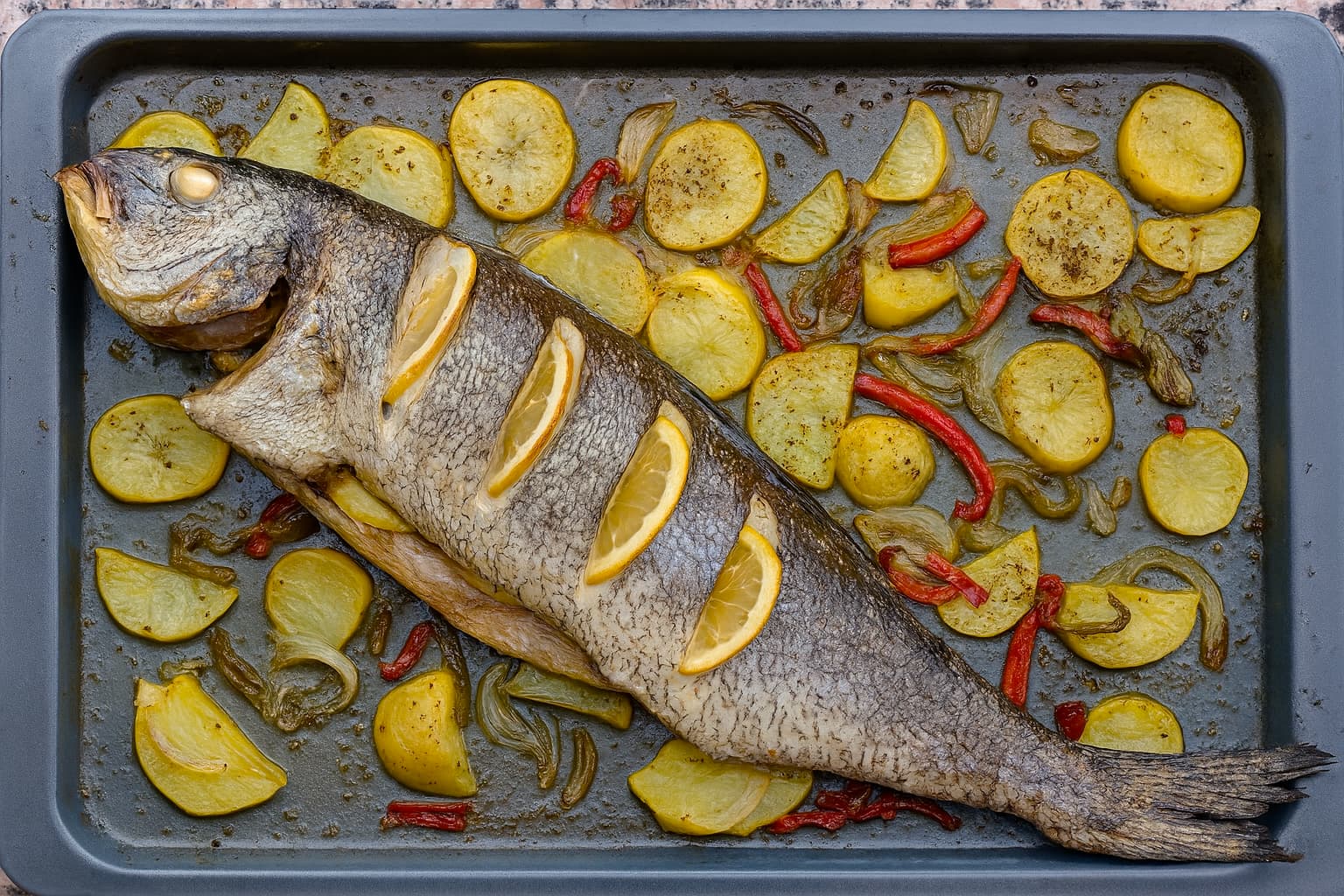
Baked sea bass