 Skip to content
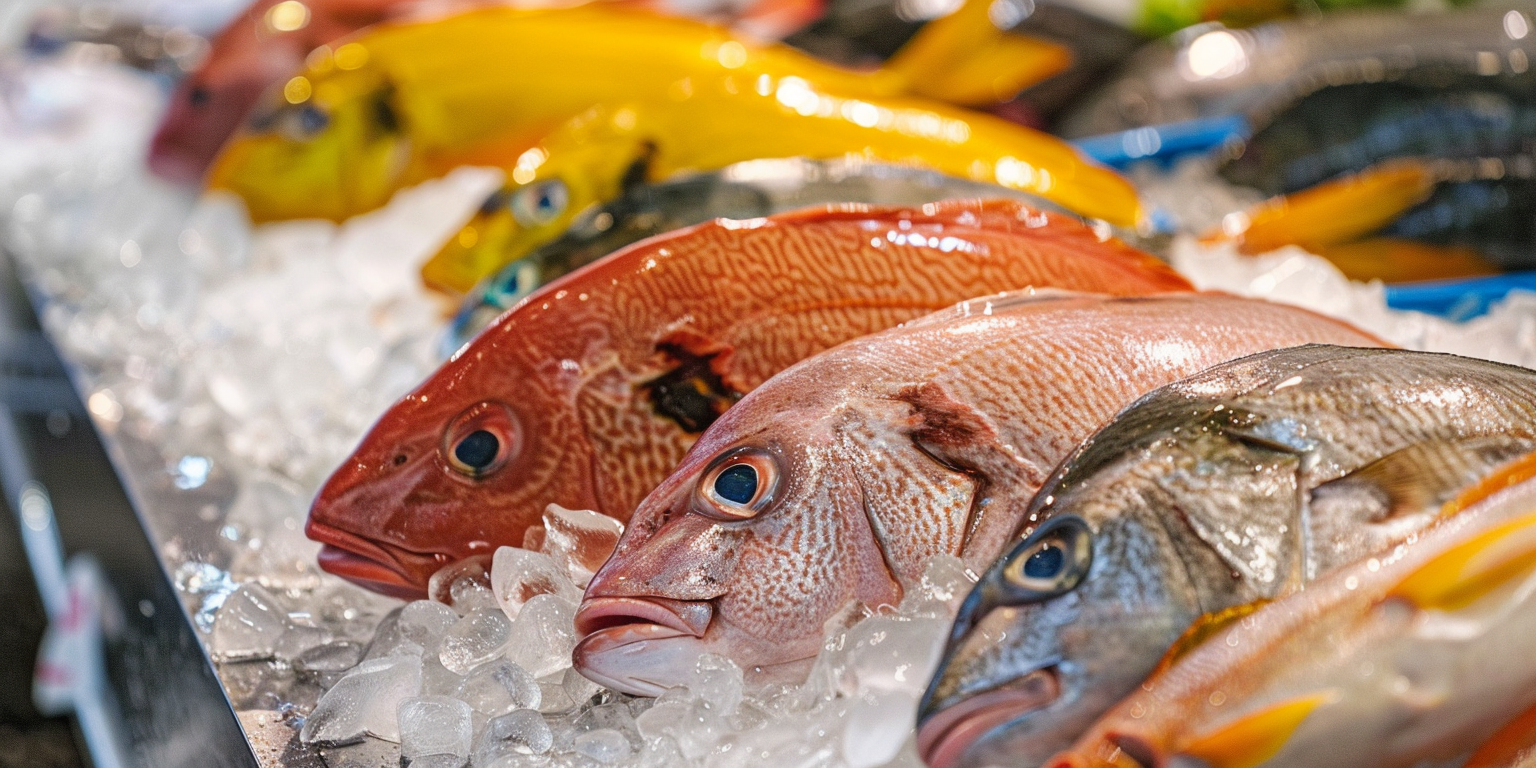
Types of fish
Classification based on fat content:
- White Fish: Lower fat content, usually less than 2.5% fat.
- Semi-fatty fish: Intermediate fat content, between 2.5% and 6% fat.
- Blue Fish: Higher fat content, usually more than 6% fat.
Whitefish | Semi-fatty fish | Blue Fish |
Sole | Robal | Eel |
rock mullet | Herrings | |
bacoreta | Tuna | |
Tilapia | Boce | Northern tuna |
Flounder | ||
Mackerel | ||
Golden | Mackerel | |
Melva | ||
Butternut | ||
Swordfish | ||
croaker | ||
percha | ||
Sardines | ||
Trout | ||
Mere | Heartburn | |
Panga | ||
What is a blue fish?
Oily fish, also known as fatty fish, are a group of fish characterized by their high content of healthy fats, especially omega-3 fatty acids. These fatty acids are essential for optimal human function and cannot be produced by the body, so they must be obtained through the diet.
Why are they called “blue”?
Contrary to popular belief, the name "blue fish" does not refer to the color of their skin, although some specimens, such as tuna and mackerel, do have a bluish hue on their backs. The "blue" name is due to a nutritional criterion: these fish have a fat content of over 5% in their muscle tissue, while white fish only have about 2%.
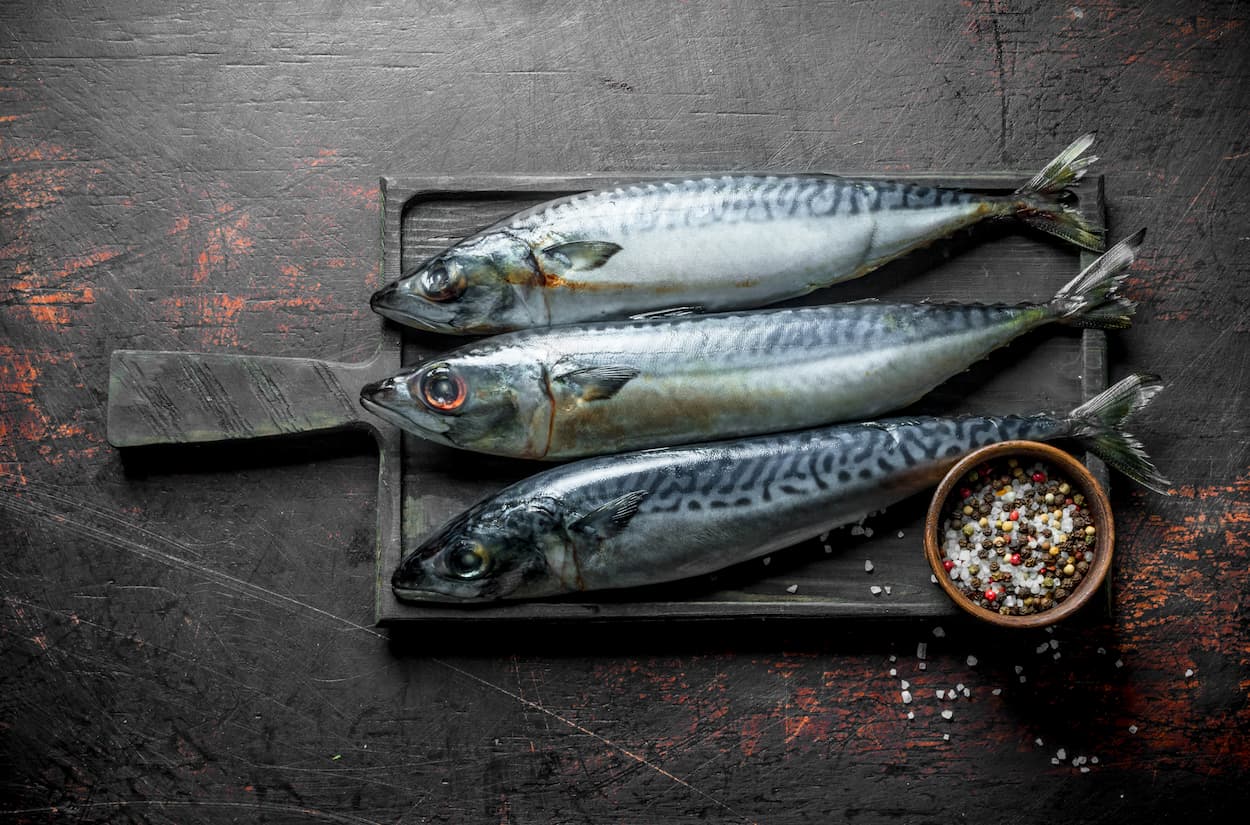
What is a White Fish?
White fish are a type of fish characterized by their lean, white meat, which stands out for its delicate texture and mild flavor.
The difference between white and oily fish is that oily fish tend to have a higher content of healthy fats, while white fish contain less fat and are an excellent source of lean protein and other essential nutrients.
White fish also have healthy fats like Omega-3 but in smaller quantities.
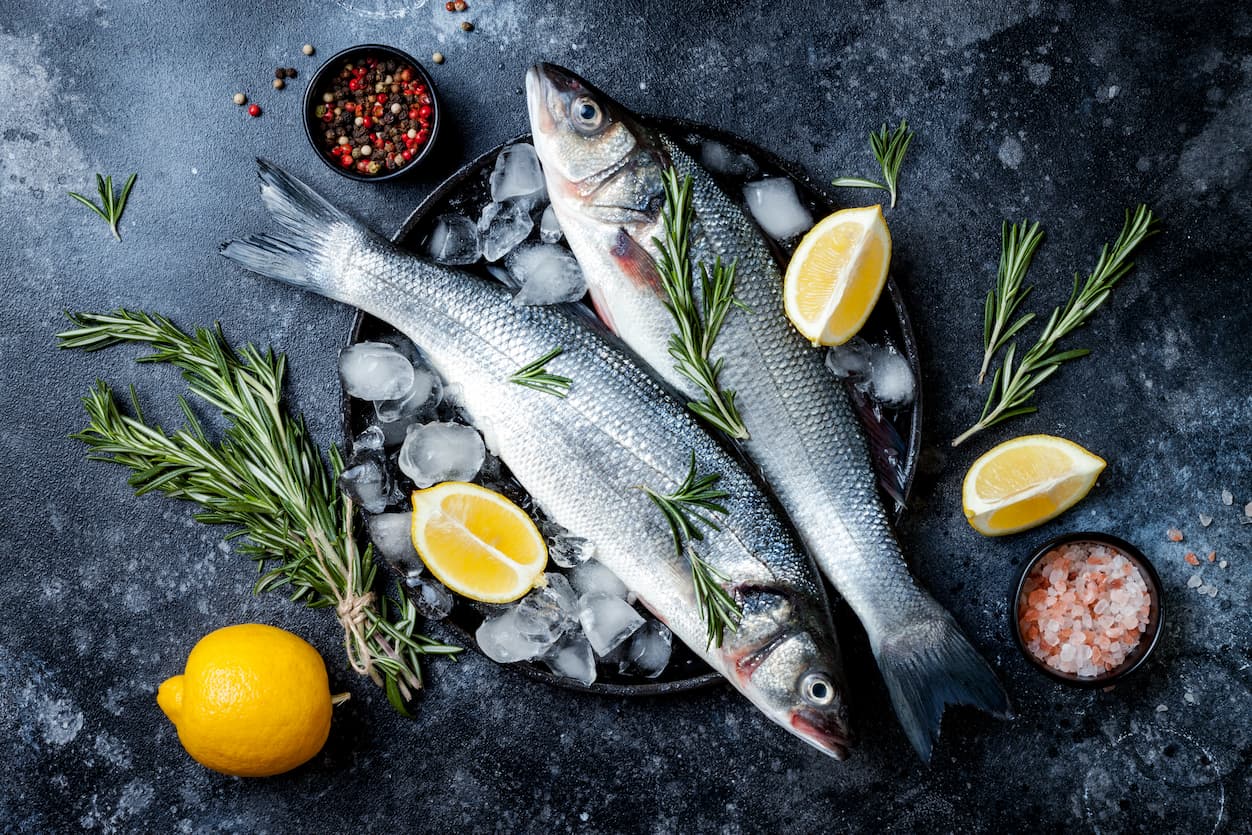
What are semi-fatty fish?
In addition to oily and white fish, there are semi-fatty fish that offer a balanced alternative. These fish have a moderate fat content and provide a combination of health benefits. Examples of semi-fatty fish include grouper, trout, and tilapia. They are a suitable choice for those seeking a medium-flavored experience and a moderate intake of omega-3 fatty acids.
Differences between oily, white and semi-fatty fish
There are certain differences between blue and white fish, although they share many similarities.
The main differences between these fish are their fat content, health benefits, and their flavor and texture.
Differences in fat content
The main difference between these groups of fish lies in their fat content. Oily fish contain a significant amount of healthy fats, especially omega-3 fatty acids. These fatty acids are known for their benefits for cardiovascular and brain health, helping to reduce LDL cholesterol and triglyceride levels and improving brain function.
On the other hand, white fish are lean and contain less fat, making them a low-calorie and low-fat option for those looking to maintain a light diet.
As for medium-fatty fish, they fall somewhere in between in terms of fat content. They have a moderate amount of healthy fats, making them a balanced choice between oily and white fish. These medium-fatty fish, such as grouper, trout, and tilapia, offer health benefits without the high concentration of omega-3 fatty acids found in oily fish. Still, they are an excellent source of protein and other essential nutrients.
Health Benefits, Which is Better?
Oily fish, thanks to their high omega-3 content, offer notable benefits for cardiovascular and brain health. Omega-3 fatty acids help reduce the risk of heart disease, lower LDL cholesterol and triglyceride levels, and improve cognitive function. On the other hand, white fish, although they do not contain the same amount of omega-3 as oily fish, are still an excellent source of protein and essential nutrients for the body.
As for semi-fatty fish, they offer a balanced alternative. Although their omega-3 content is moderate compared to oily fish, they provide cardiovascular health benefits and a reasonable amount of essential fatty acids. They are also an excellent source of protein, vitamins, and essential minerals.
Differences in Taste and Texture
Oily fish , such as salmon , have a more intense flavor due to their higher fat content, making them ideal for cooking methods such as grilling, smoking, or baking to enhance their flavor and maintain their juiciness.
The white fishand Cock, Snapper, the maragota, the Hake, pout and blue whiting, have a milder flavor and a firmer texture, making them versatile for different cooking techniques, such as grilling, steaming, griddling, or frying.
Semi-fatty fish , on the other hand, offer an intermediate flavor, making them a versatile choice in terms of taste and texture in the kitchen.