 Skip to content
What is a herring?
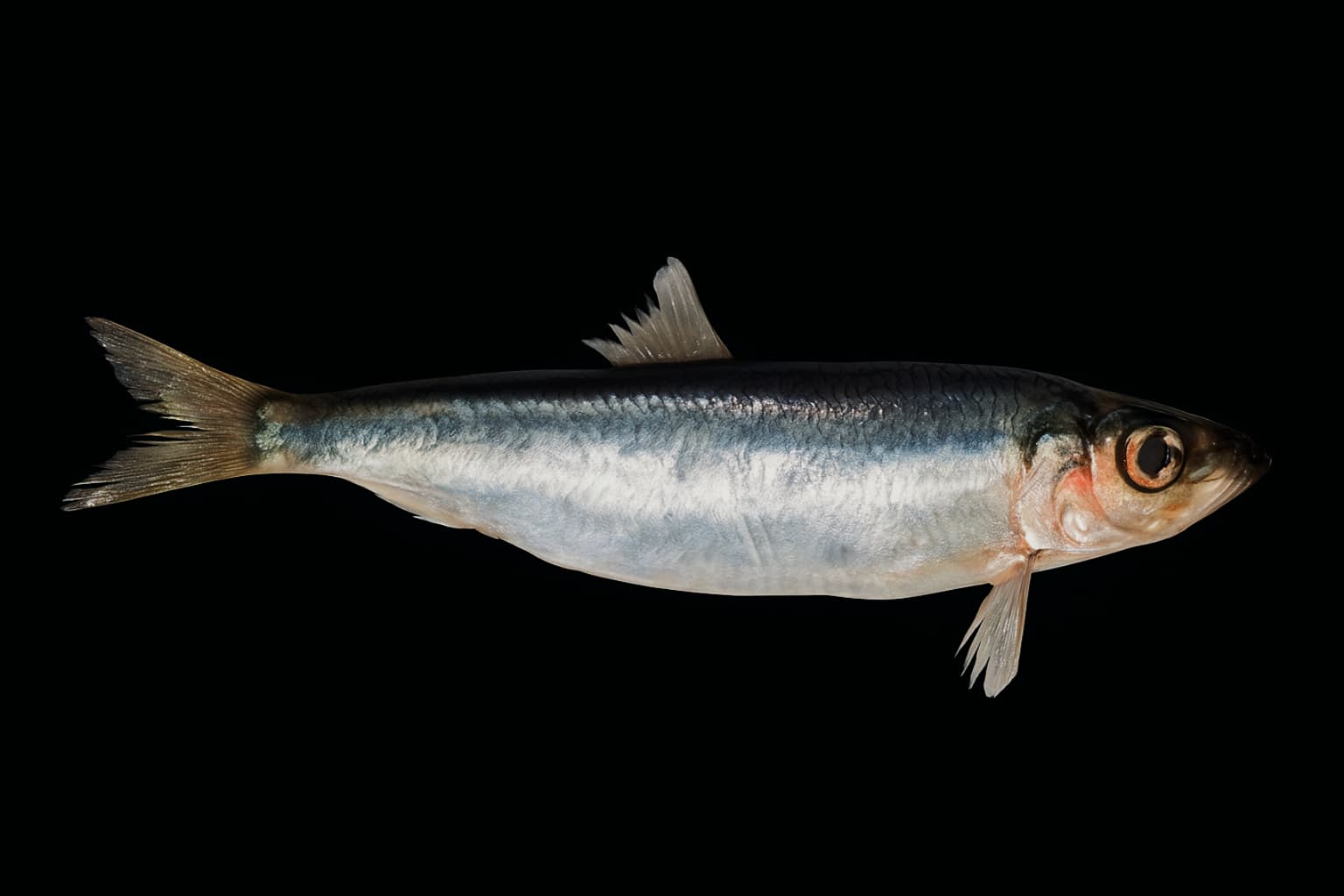
The herring is a pelagic fish of the family ClupeidaeWidely distributed in the cold and temperate waters of the Atlantic and the Baltic Sea. Its fatty flesh, rich in Omega-3This makes it a marine superfood. It can be found fresh, frozen, or prepared through processes such as salting, smoking, or marinating.
Characteristics of herring
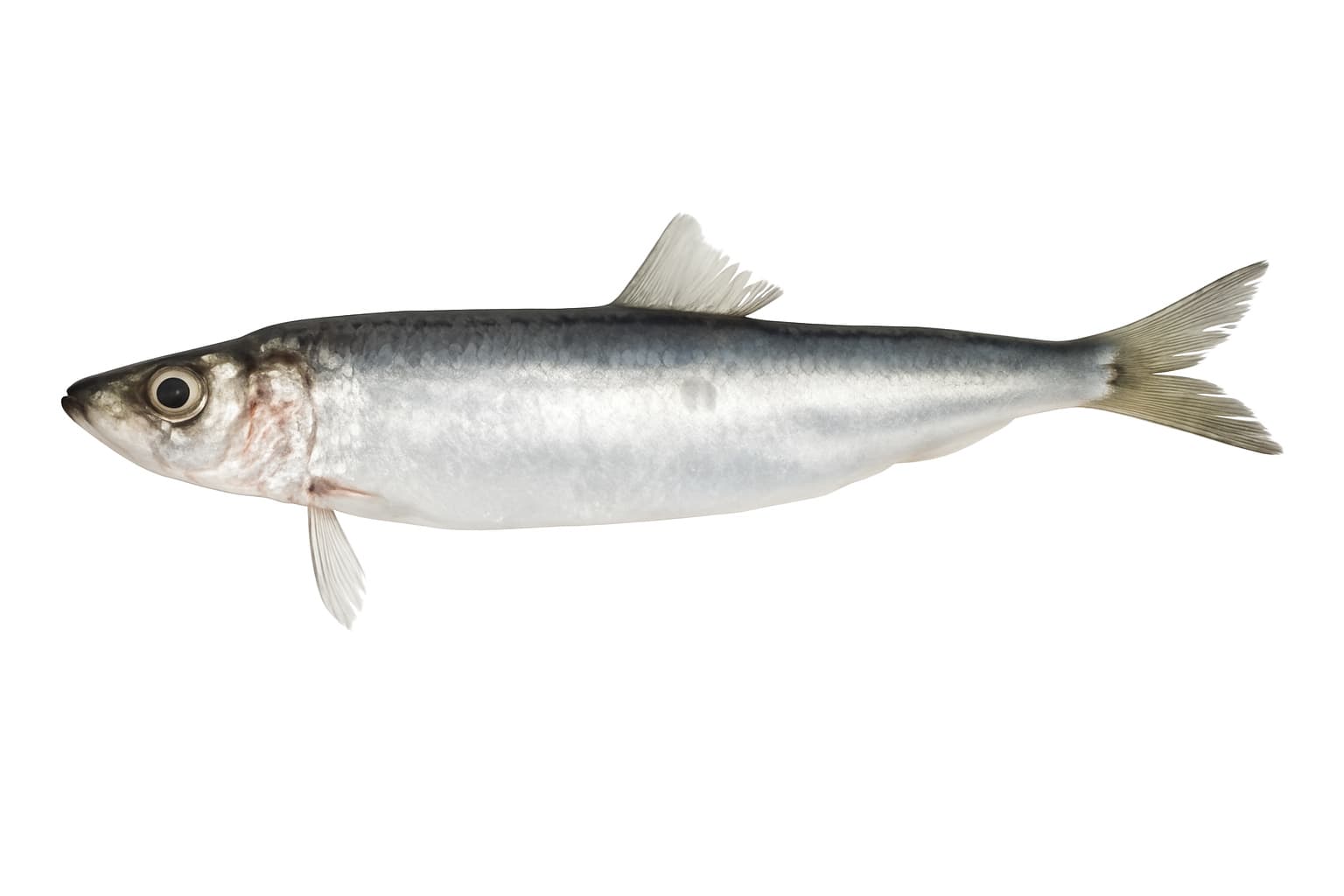
This fish has an elongated body, about 20 to 40 cm long, with silver scales on its flanks and bluish scales on its back. It usually travels in large schools and is an essential part of marine food chains.
Its main features include:
- High in healthy fats (Omega-3).
- A wide variety of gastronomic presentations.
- Historical and cultural importance in the diet of Northern Europe.
Behavior and Feeding
Herrings are gregarious, migratory, and feed on:
- zooplankton
- small crustaceans
- Fish larvae
They rise to the surface at night to feed and migrate to coastal areas to spawn.
Types of herring
There are several species within the genus Clupeaalthough the most common and widely distributed is the Atlantic herring (clupea harengus)Globally, the main herring species are:
- Clupea harengus (Atlantic Herring)It is the most abundant and commercially important species. It is found in the North Atlantic, from the Barents Sea to the coasts of the Bay of Biscay, including the North Sea and the Baltic Sea. It is a medium-sized fish that can reach up to 45 cm in length.
- Clupea pallasii (Pacific Herring)Similar in morphology to the Atlantic herring, it inhabits the waters of the North Pacific, from Japan to California. It also forms large schools and is fished for commercial purposes.
- Clupea bentincki (Chilean herring)This species is found in the South Pacific, especially off the coasts of Chile and Peru. It is an important species in the South American fishing industry.
In addition to these main species, there are other local varieties or subspecies, such as the Baltic herring, considered a subspecies of clupea harengus (sometimes called Clupea harengus membranes), which is characterized by a smaller size and a more delicate texture.
Nutritional values
Herring, whether fresh, salted, or smoked, is a highly nutrient-dense food. Below is a detailed table per 100g of edible portion:
Components | Value per 100g |
Sustainable | 202 Kcal |
Proteins | 21 g |
Total fat | 13,1 g |
Saturated fatty acids | 2,89 g |
Monounsaturated fatty acids | 5,73 g |
Polyunsaturated fatty acids | 2,82 g |
Omega-3 | 2,268 g |
Cholesterol | 70 mg |
Sodium | 1.316 mg |
Iodine | 100 g |
Phosphorus | 294 mg |
Selenium | 55 g |
Vitamin B12 | 11,9 g |
Vitamin D | 5 g |
Vitamin A (retinol equivalent) | 800 g |
Herring is ideal for supporting cardiovascular health, improving cognitive function, and strengthening the immune system. However, salted and smoked versions contain high levels of sodium, so they should be avoided in low-sodium diets or by people with hypertension.
Habitat and Fishing Season
Habitat
It inhabits cold and temperate waters of the North Atlantic, North Sea, and Baltic Sea. It lives in open waters, near the surface or in mid-pelagic zones. During spawning, it migrates to coastal areas.
Fishing Season
The seasons vary depending on the geographical area, but they are generally concentrated in:
- Spring (April-June): Period of intense migration.
- Autumn (September-November)High quality and abundant fishing.
Herring fishing is internationally regulated to ensure its sustainability.
Frequently asked questions about herring
Is herring suitable for children?
It is not recommended for young children due to its low digestibility, especially in its cured or smoked forms.
What is the best way to eat herring?
It depends on personal taste: smoked herring has a strong flavor, while marinated herring is milder and fresher. Salting is traditional in Northern Europe.
Does herring make you fat?
It provides calories from its healthy fats, but it is very nutritious. It is not recommended for strict low-calorie diets or in cases of obesity.
What are the health benefits of herring?
Rich in Omega-3 fatty acids, vitamins D and B12, and minerals such as iodine and phosphorus, it contributes to the proper functioning of the brain, heart and immune system.