 Skip to content
- February 14, 2023
Cuttlefish
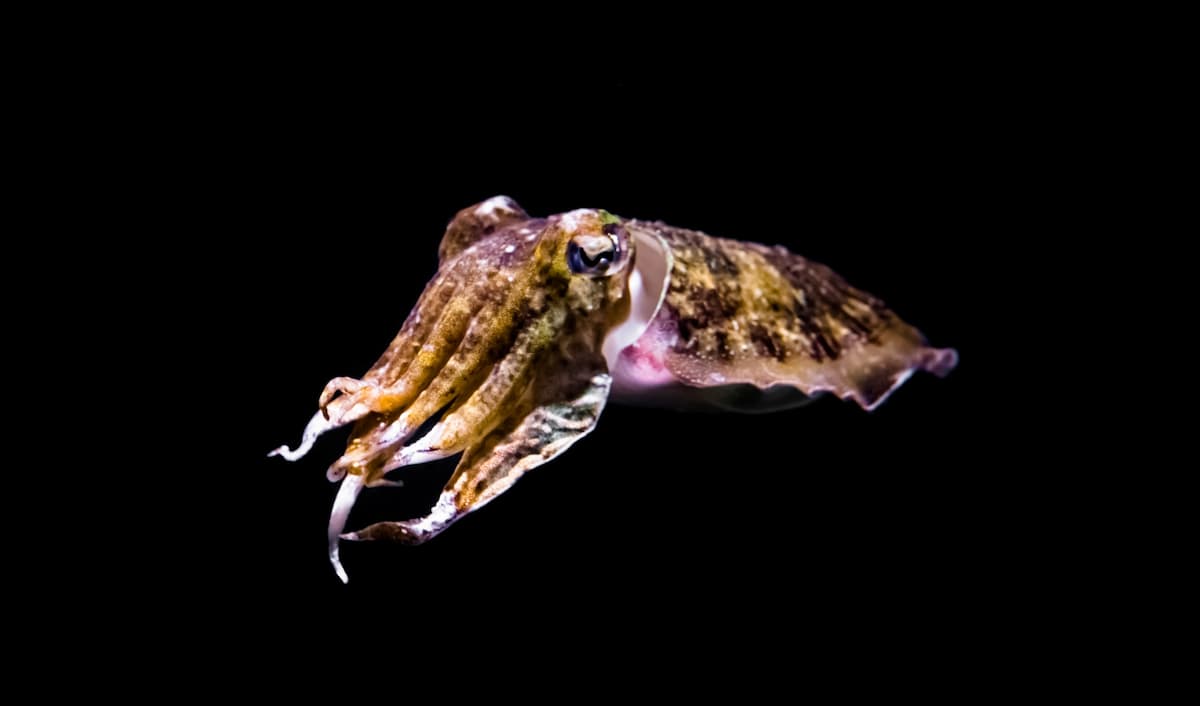
La sepia is a cephalopod shellfish of the Sepiida Family As curious as it is delicious. But where can we find them? What characteristics do they have? Why are they so special?
What is Sepia?
Cuttlefish is a shellfish that belongs to the family of decapod cephalopod mollusks and is known by other names such as cuttlefish, choco, hasi, or cachón. They are considered shellfish because they are invertebrate marine animals, specifically mollusks, that can be eaten.
They have a mild flavor, tender and delicate meat, making them a fairly economical option compared to other seafood.
Although there is doubt and much confusion about whether cuttlefish is a shellfish or a fish, we must be clear that it is neither. It is a cephalopod, although it can popularly be classified as a shellfish. Cuttlefish can measure between 10 and 40 centimeters long, and can weigh up to 2 kg in their adult stage.
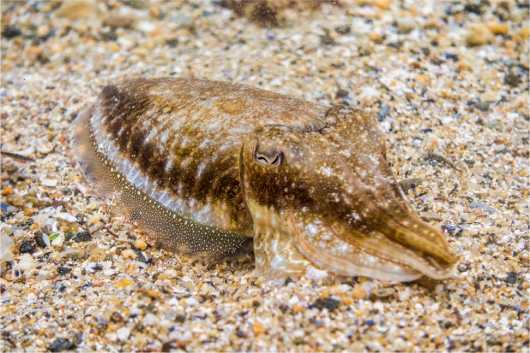
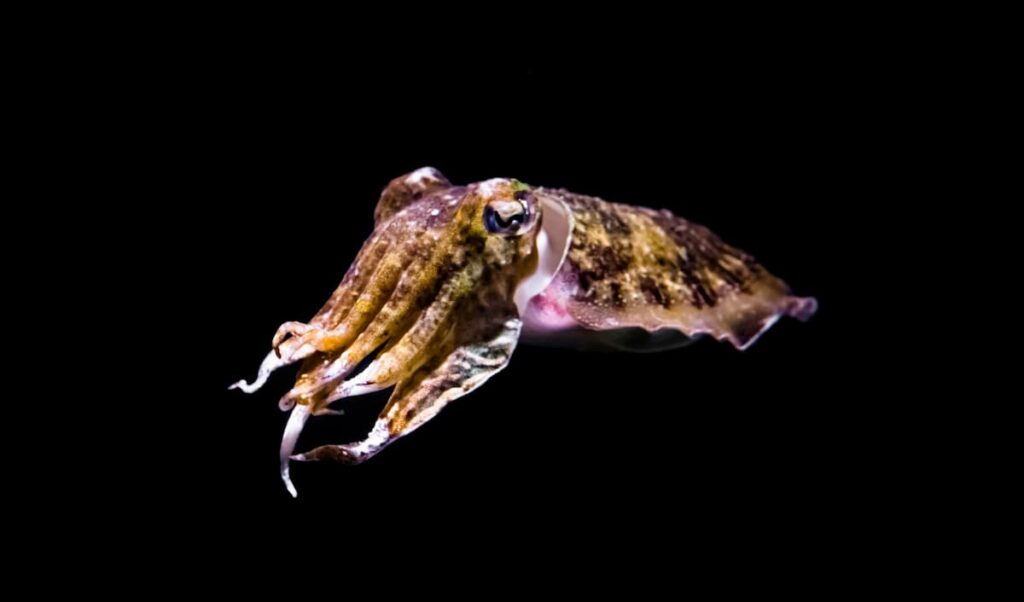
They live on shallow seabeds and their diet consists of small fish, crustaceans, and mollusks. Their physical makeup consists of a cuttlebone (inside a long, oval body), a pair of eyes, eight legs, and two tentacles with toothed suckers.
The tentacles are longer than the rest of the arms and are used by the cuttlefish to catch their prey.
Characteristics of the Cuttlefish
One of the greatest curiosities of the cuttlefish es que tThey have a unique internal shell, the hump, which helps it control buoyancy in water and release ink when it feels threatened or courted.
The The cuttlefish's eyes are highly developed and are W-shaped. They are capable of perceiving color contrasts and have a vision angle twice as large as that of a human, since they can see forward with one eye and backward with the other (like chameleons).
In addition, they have three hearts pumping blood, one for each gill and one for the rest of the body.
The color of the cuttlefish blood It is very special, it has a color bluish green, unique among animals. Although its ink is black, blood has that color because the protein responsible for blood transport is hemocyanin, and it contains copper.
Cuttlefish They are able to camouflage themselves from predators, Their color varies depending on the attacker and their location. This camouflage is also used to create an optical effect that attracts their prey. Unlike other species, female cuttlefish are larger than males and have a less intense color.
These mollusks reproduce only once and then die. Mating begins with hours of entangled tentacles between the male and female. The male then deposits spermatophores into the female with his tentacles, and when the eggs are fertilized, the female stains them black and dies. The male also dies after the act.
Benefits of Cuttlefish
Cuttlefish is a seafood with a multitude of benefits for the body and many advantages.
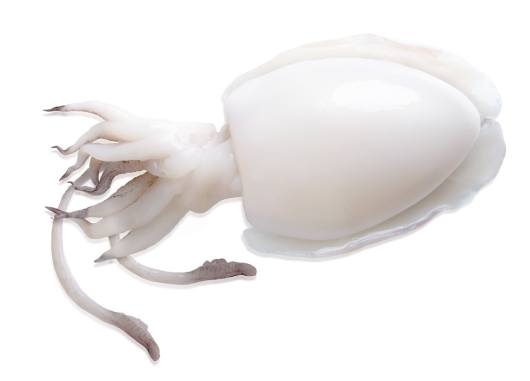
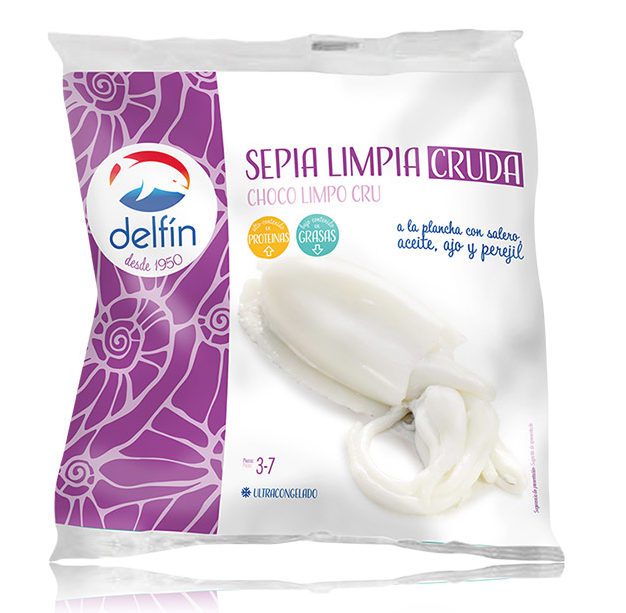
At Delfín, we offer clean, raw cuttlefish that comes in a convenient format for cooking at any time and preparing any recipe.
It's clean and ready to be added to all kinds of recipes, such as rice with cuttlefish or grilled cuttlefish with oil and parsley.
It is a food with very good nutritional values and great advantages compared to other seafood:
- They contain iodine, an essential mineral for children's development. They're also good for hair and nail care.
- In addition, they have vitamin E and selenium that help prevent the onset of cardiovascular diseases.
- They are economical and easy to find at any time of the year
- They have a high level of protein and a low level of fats and carbohydrates
Nutritional values
Eating cuttlefish is a good option because it has excellent nutritional values and is considered a very good quality food.
| Nutrients | Quantity |
| Calories | 71 Kcal |
| Proteins | 16.1 gr |
| Total Fats | 0.7 gr |
| Saturated fats | 0.2 gr |
| Monounsaturated Fats | 0.1 gr |
| Polyunsaturated fats | 0.2 gr |
| Cholesterol | 110 mg |
| Carbohydrates | <1 g |
| Dietary fiber | 0 gr |
| Sugars | 0 gr |
| Football | 59 mg |
| Iron | 3.4 mg |
| Potassium | 310 mg |
| Sodium | 370 mg |
| Vitamin C: | Tr |
| Vitamin A | 0 g |
| Thiamine | 0.04 mg |
| Riboflavin | 0.48 mg |
| Vitamin B6 | 0.39 mg |
| Vitamin E | 2.4 mg |
**It is important to note that these values may vary slightly depending on the quality and freshness of the cuttlefish.
Cuttlefish is an ideal food for all balanced and healthy diets. It's a low-calorie seafood; 100 grams of cuttlefish contains approximately 50 kcal.
The soft and delicate flavor of cuttlefish allows it to be integrated into a multitude of recipes and to be a very versatile food in the kitchen.
Habitat
Cuttlefish live in shallow seabed, whether rocky or sandy, where they can be partially buried.
They can also be found in seagrass beds or seagrass meadows, which they use to hide from predators.
Cuttlefish can be found throughout the Pacific, Atlantic, and Indian Oceans, and in seas such as the Mediterranean and the North Sea.
A cuttlefish is capable of reaching depths of 150 meters, but this is not common.
Season and Fishing Gear
Cuttlefish fishing season
Cuttlefish have a wide fishing season that It begins in February and ends at the end of October.
Although the best months to fish for cuttlefish are April and May.
It is a seafood that can be found quite easily and in large quantities.
Fishing Art
Cuttlefish are caught by pots, special traps with cylindrical shapes, or jigging.
Jigs are specific tackle for fishing for medium or large-sized cuttlefish and squid.
They are usually pink or orange in color because it is said that they attract these mollusks more.
It is recommended to fish for cuttlefish at night, as they tend to live at greater depths during the day.
To catch cuttlefish traditionally and without traps, you need a good lure and try to use breakwaters or beaches with murky waters.
Recipes using this mollusk
Frequently Asked Questions about Cuttlefish
Squid and cuttlefish belong to the order of cephalopod molluscs and have many similarities that can lead to confusion.
The main difference between cuttlefish and squid is the length, the cuttlefish has a more oval and shorter body compared to the squid.
In addition, squid's colors are more orange and vivid, while cuttlefish's colors are less intense.
There are different types of cuttlefish, although the most common are baby squid, chestnut, common cuttlefish, apama cuttlefish or sepiella.
The chopito, also known as choquito picudo or chocito, is a species of the Mediterranean Sea and the Red Sea.
It has an average size of 12 centimeters and is commonly consumed in Spanish cuisine.
The chestnut cuttlefish is a type of small cuttlefish that usually does not reach 10 centimeters in length.
It differs from other varieties of cuttlefish due to its more yellowish color and sharper shape.
The common cuttlefish is one of the largest species of cuttlefish. and are oval and larger than 20 centimeters.
Its colors are white and brown mixed but pale in appearance.
The apama cuttlefish is a species of giant cuttlefish that measures about 50 centimeters and can weigh up to 10 kilograms.
It is found only on the southeast coast of Australia and inhabits reefs that are 100 meters deep.
The sepiella is a lesser-known species of cuttlefish. which is commonly found in the Indian and Pacific Oceans.
It has a yellowish and grayish color and its eight legs are very short compared to its two long tentacles.
Cuttlefish is known as cuttlefish, squid, hasi or chacón depending on its appearance and the area where it is located.
It is a common mistake to think that cuttlefish and squid are different mollusks, since there is no difference between cuttlefish and squid.
Both are seafood that have different names depending on the area where they are purchased.
In some places Cuttlefish that are smaller or younger are called choco., and therefore has the most tender meat.
Cuttlefish can also be found under other names such as jibia or cachón.
As we mentioned before, it depends on the area and will be recognized in one way or another.
In Spain, specifically on the coasts of Huelva and Cádiz, where it is commonly caught, it is known as cuttlefish.