 Skip to content
What is an Oyster?
oysters are molluscs bivalve which belong to the family OstreidaeThese marine invertebrates are known for their ability to build two-part shells, which serve as shelter from predators and adverse environmental conditions.
They live attached to rocks, sediments or even among themselves in large colonies known as oyster beds. ostrea edulis, the European oyster, is a species native to the Atlantic coasts, from Norway to North Africa, and is especially popular in the cuisine of countries such as France, Spain, and the United Kingdom. This mollusk plays a crucial role in filtering and cleansing aquatic ecosystems, thanks to its ability to filter large amounts of water and retain harmful particles and excess nutrients.
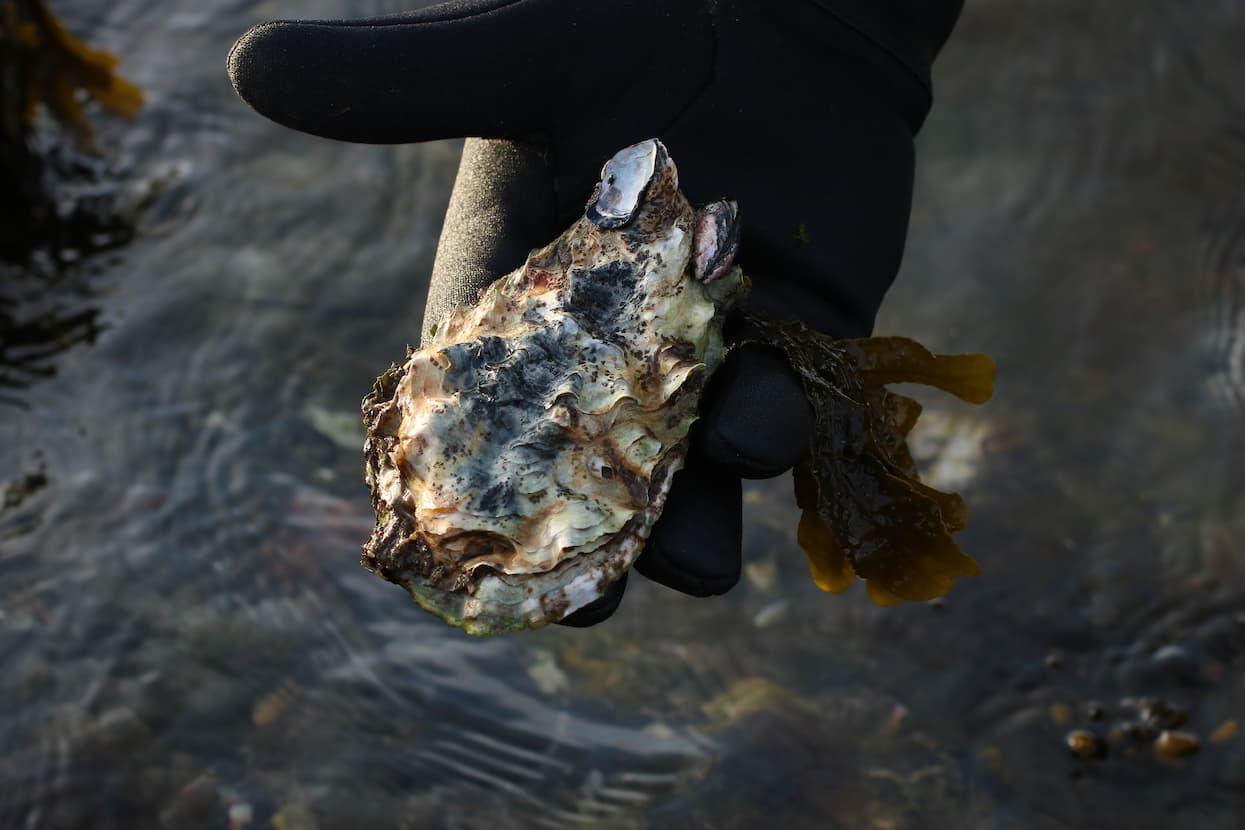
Characteristics of Oysters
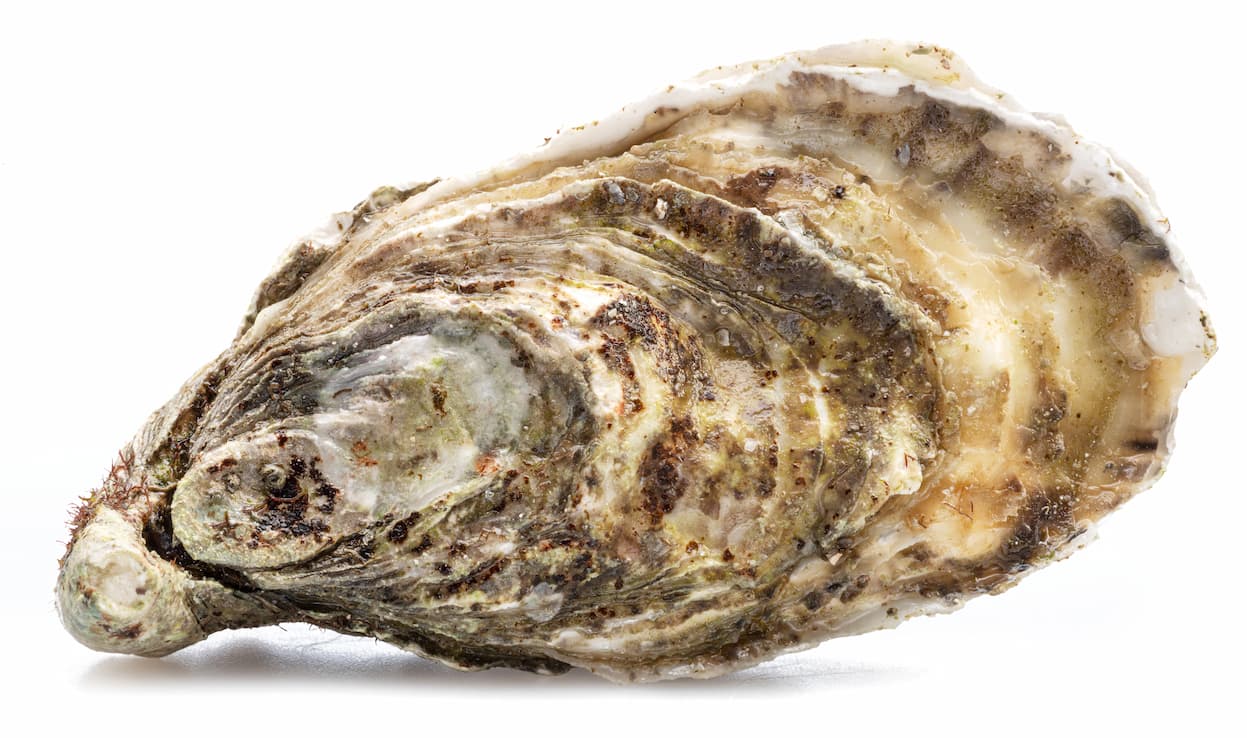
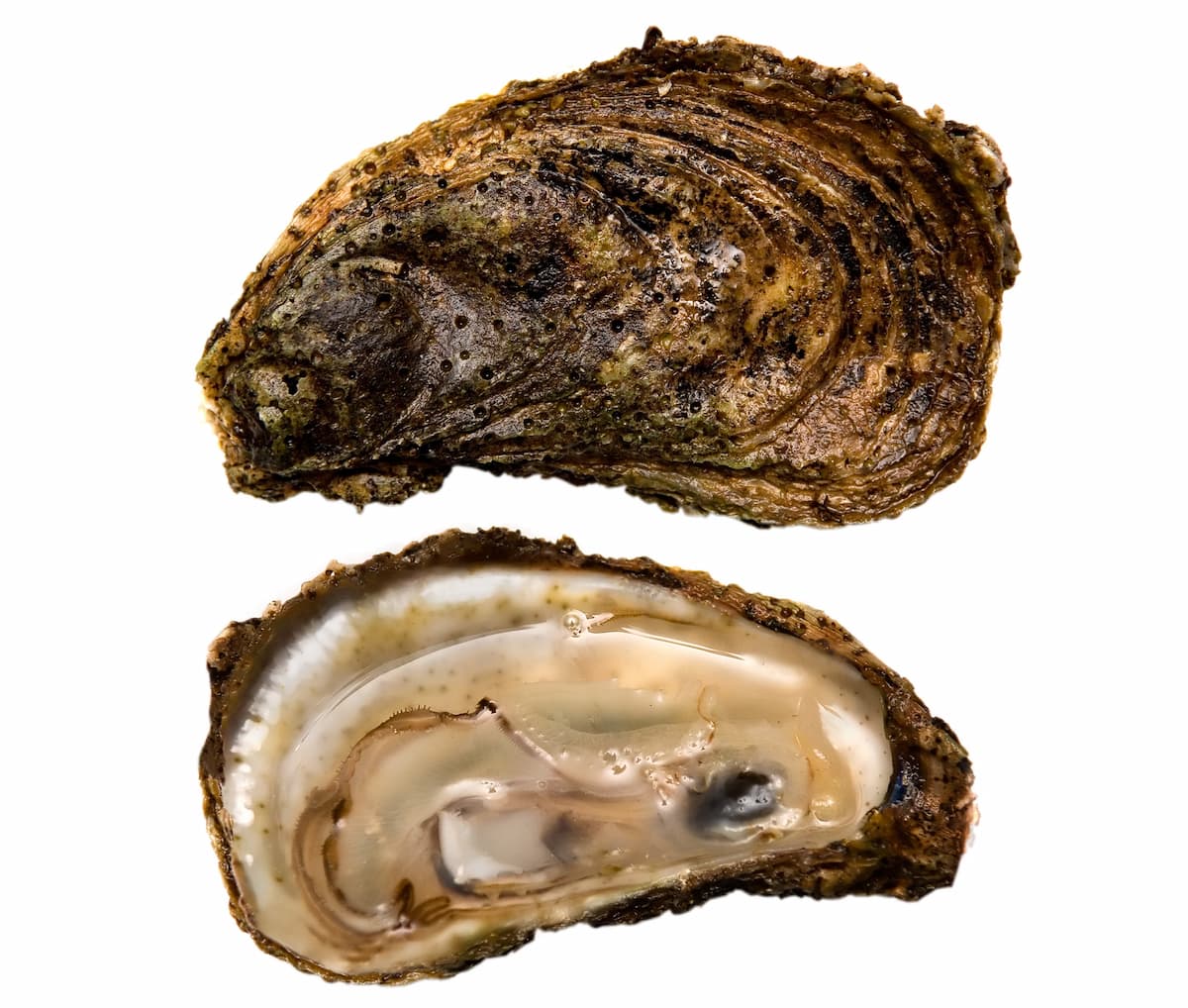
Oysters possess a series of physical and biological characteristics that make them unique in the animal kingdom. Their most distinctive structure is their shell, composed of two valves that can vary in color from gray to shades of brown and cream, depending on the environment and diet. The shell is robust and asymmetrical, with a more concave valve that adheres to the substrate and a flatter one that acts as a lid.
Structure and Composition
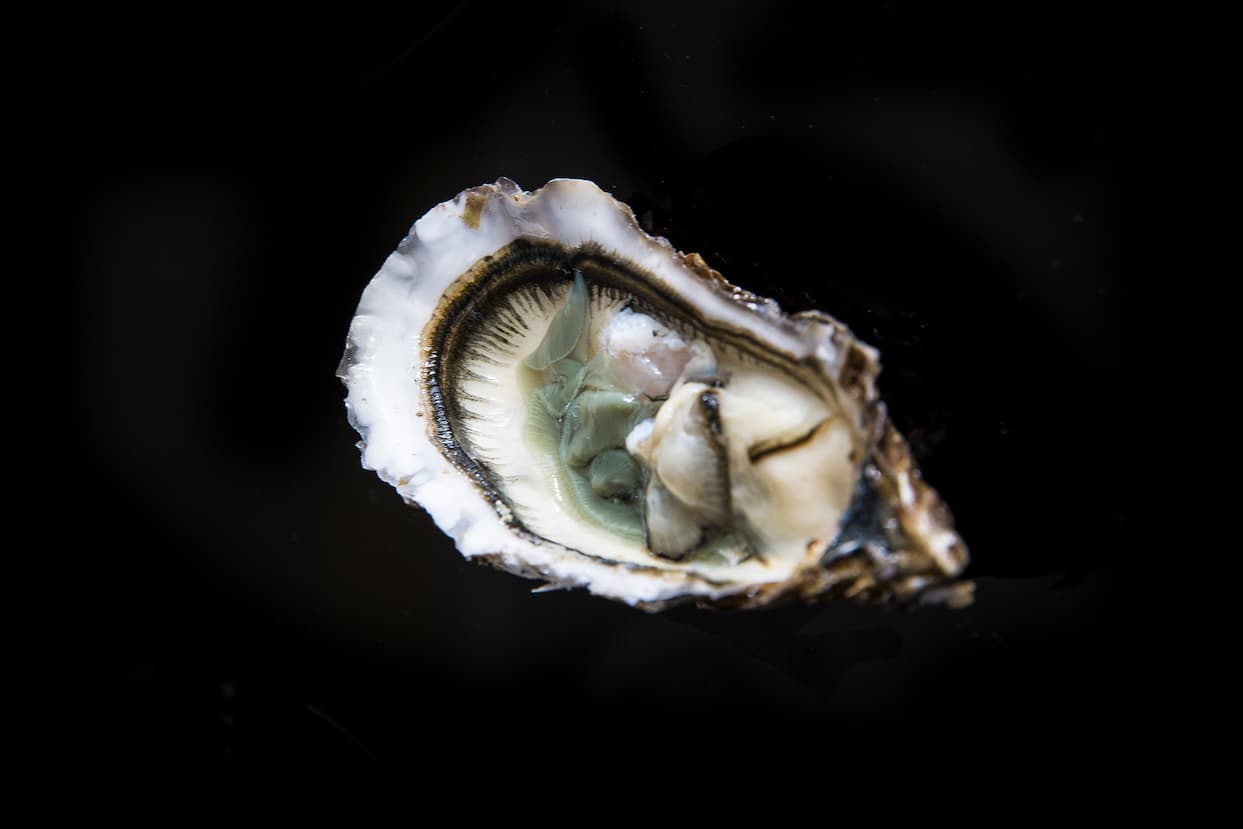
The European oyster, ostrea edulis, averages between 6 and 10 centimeters in length. Internally, they are composed of a soft body, which includes their organs and a powerful adductor muscle that allows them to close their shells tightly when they feel threatened.
Filtration Capacity
One of the most impressive functions of this shellfish is its ability to filter water. A single oyster can filter up to 200 liters of water per day.During this process, oysters extract plankton, organic particles, and algae from the water, which not only serve as food but also help keep the bodies of water they inhabit clean and clear.
Reproduction
The reproduction of oysters is another fascinating aspect. They are animals mainly hermaphrodites, which means they can produce both eggs and sperm, although not simultaneously. Fertilization typically occurs in water, where the larvae swim freely before settling on a substrate and beginning to form their shells.
Behavior and Feeding of Oysters
Oysters are known for their sedentary behavior and unique feeding method, which, as mentioned above, has a significant impact on both their survival and the surrounding marine environment.
Sedentary Behavior
Once oyster larvae settle on a suitable substrate, they become sessile organisms, i.e. They remain fixed in one place throughout their adult lifeThis sedentary behavior allows them to form dense oyster beds or reefs, which provide critical habitat and protection for a variety of marine species.
filter feeding
Oysters feed through a filter feeding process. They open their shells slightly to allow seawater to circulate through their gills.
During this process, food particles, such as phytoplankton and microscopic algae, are trapped in the mucus of the gills and then transported to the mouth.
Ecological impact
In addition to their role in cleaning the water, oyster reefs offer protection against coastal erosion and serve as natural barriers that cushion waves and protect coastlines.
Types of Oysters
Although we have been talking specifically about the European oyster, ostrea edulis, there are several other types of oysters that vary in shape, size and habitat.
- European Oyster (ostrea edulis): The European oyster is native to the coasts of Europe and is highly prized for its rich flavor and meaty texture. It is one of the most traditional varieties and has been cultivated for centuries, especially in France and the United Kingdom.
- Pacific oyster (crassostrea gigas): Also known as the Japanese oyster, it is native to Asia but has been successfully introduced to other regions, including North America and Europe. It is larger than the European oyster and has a slightly sweeter, less minerally flavor.
- American Oyster (Crassostrea virginica): This oyster is native to the east coast of North America, from Canada to the Gulf of Mexico. Its flavor is saltier and its meat is firmer than that of the European oyster.
- Kumamoto oyster (Crassostrea sikamea): Native to Japan, but also grown on the West Coast of the United States, the Kumamoto is small, round, and has an exceptionally sweet flavor and buttery finish, making it a favorite among connoisseurs.
- Sydney Oyster (Saccostrea glomerata): Native to Australia, this oyster is known for its strong flavor and slightly crunchy texture. It's primarily farmed in New South Wales and is a popular ingredient in Australian seafood cuisine.
Nutritional Values of Oysters
Type | For 100 g |
Energy (in kilojoules/kilocalories) | 264 kJ / 63 Kcal |
Fats (in grams) | 1,5 gr |
Saturated fatty acids (in grams) | 0,34 gr |
Monounsaturated fatty acids (in grams) | 0,19 gr |
Polyunsaturated fatty acids (in grams) | 0,48 gr |
Carbohydrates (in grams) | 4,8 gr |
Sugars (in grams) | 0 gr |
Polyols (in grams) | 0 gr |
Starch (in grams) | 0 gr |
Dietary fiber (in grams) | 0 gr |
Proteins (in grams) | 9,6 gr |
Salt (in grams) | 0 gr |
Vitamin A (in micrograms) | 81,5 g |
Vitamin B1 (in milligrams) | 0,15 mg |
Vitamin B2 (in milligrams) | 0,72 mg |
Vitamin B3 (in milligrams) | 8,20 mg |
Vitamin B5 (in milligrams) | 5,00 mg |
Vitamin B6 (in milligrams) | 0,08 mg |
Vitamin B9 (in micrograms) | 8,00 g |
Vitamin B12 (in micrograms) | 17,80 g |
Vitamin D (in micrograms) | 3,00 g |
Vitamin E (in milligrams) | 0,90 mg |
Calcium (in milligrams) | 109,3 mg |
Copper (in milligrams) | 3,0 mg |
Phosphorus (in milligrams) | 172 mg |
Iron (in milligrams) | 5,3 mg |
Magnesium (in milligrams) | 43 mg |
Manganese (in milligrams) | 0,15 mg |
Potassium (in milligrams) | 250 mg |
Selenium (in micrograms) | 144,6 g |
Sodium (in milligrams) | 453 mg |
Iodine (in micrograms) | 18 g |
Zinc (in milligrams) | 39,1 mg |
Oyster Habitat
Oysters are found in coastal areas around the world, adapting to a wide range of marine environments. Their global distribution depends on the species, but all prefer saline waters and are often found in estuaries, bays, and protected coastal areas.
Global Distribution
Oysters can be classified into several species that vary in their geographical location:
- European Oyster (ostrea edulis): It is found mainly on the coasts of Europe, from Norway to the Mediterranean and North Africa.
- Pacific oyster (crassostrea gigas): Native to Asia, especially Japan and Korea, but introduced and now widely cultivated in North America, New Zealand, and parts of Europe.
- American Oyster (Crassostrea virginica): Native to the east coast of North America, from Canada to the Gulf of Mexico.
- Kumamoto oyster (Crassostrea sikamea): Originally found in Japan, it is now also grown on the West Coast of the United States.
- Sydney Oyster (Saccostrea glomerata): Specific to Australia, found along the coast of New South Wales.
Oyster Fishing Season
The oyster fishing season usually begins in the months of September, October, November and December, when the temperatures of the water are colder and the oysters are in their best condition for consumption.
Sustainable Fishing Practices
Sustainable oyster harvesting involves methods that not only ensure the health and reproduction of oysters, but, as we know, also protect the marine environment. This includes:
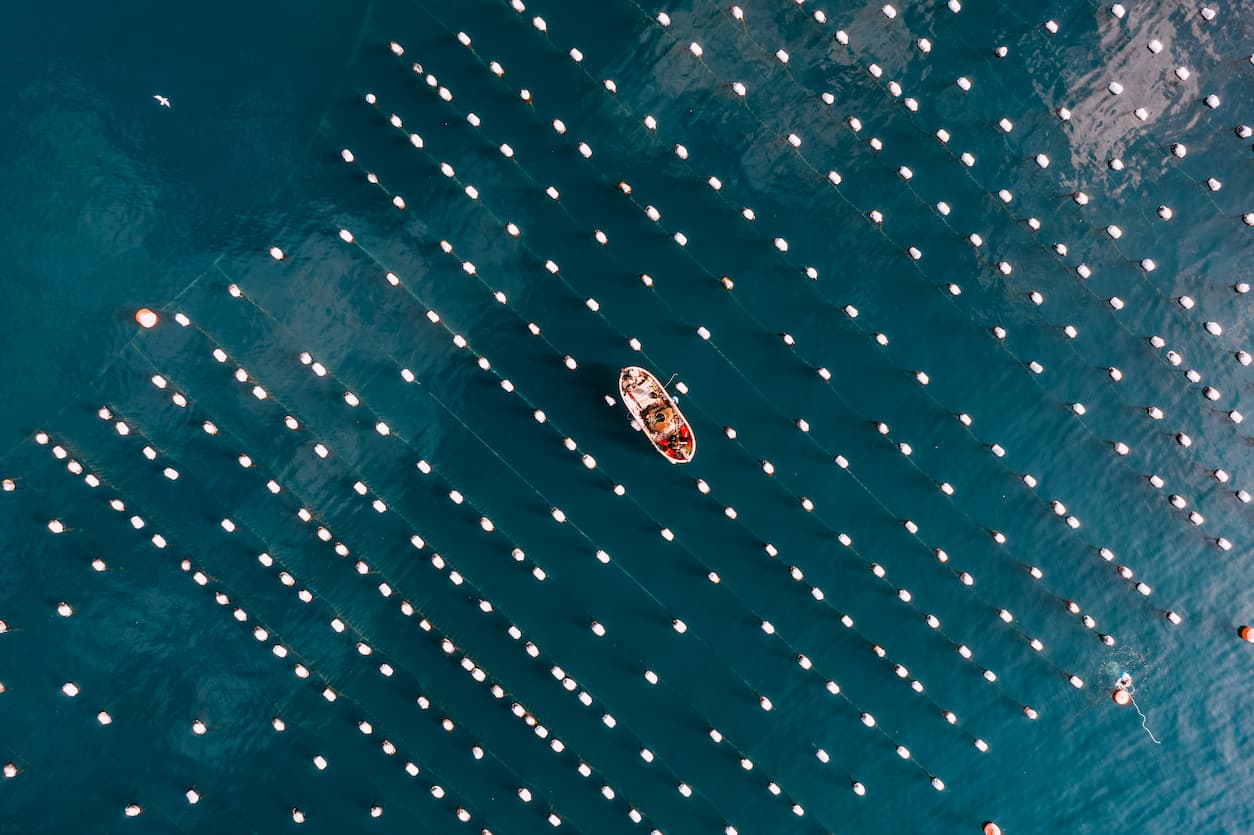
- Oyster aquaculture: Raising oysters in controlled aquaculture farms allows for the regulation of oyster growth and health without putting pressure on wild populations.
- strict regulations: Many countries implement regulations that limit the amount of oysters that can be harvested, fishing areas, and harvesting methods to minimize environmental impact.
- Oyster Reef Restoration: Restoration projects help restore oyster habitats that have been degraded or destroyed, ensuring population regeneration and maintaining marine biodiversity.