 Skip to content
What is a sea bream?
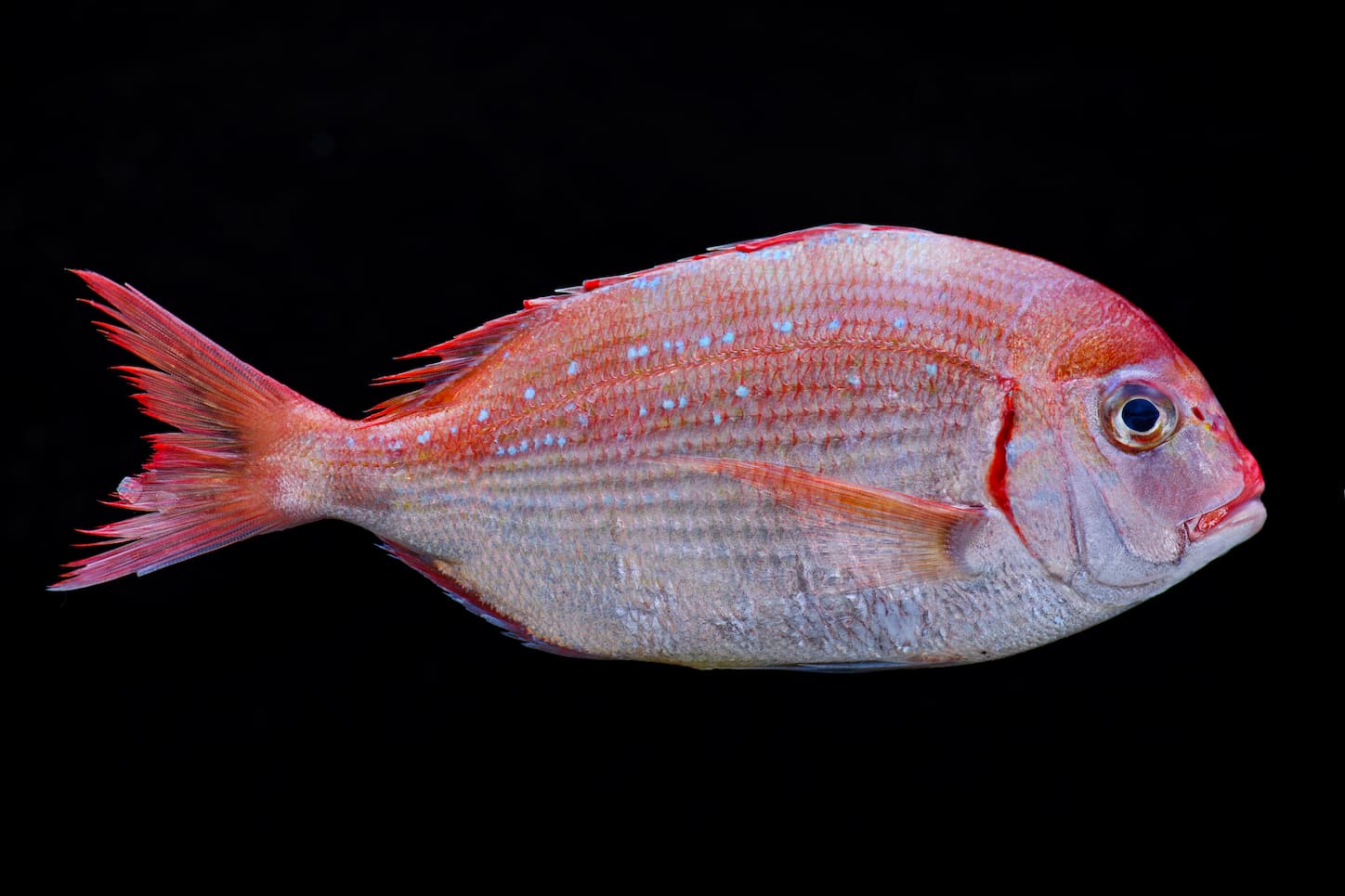
The sea bream is a semi-oily white fish belonging to the Sparidae family . It has an oval body, somewhat compressed laterally, a prominent head, and large eyes that make it easy to identify. Its flesh is low in fat, nutritious, and healthy, ideal for various culinary preparations.
Physical characteristics of the sea bream
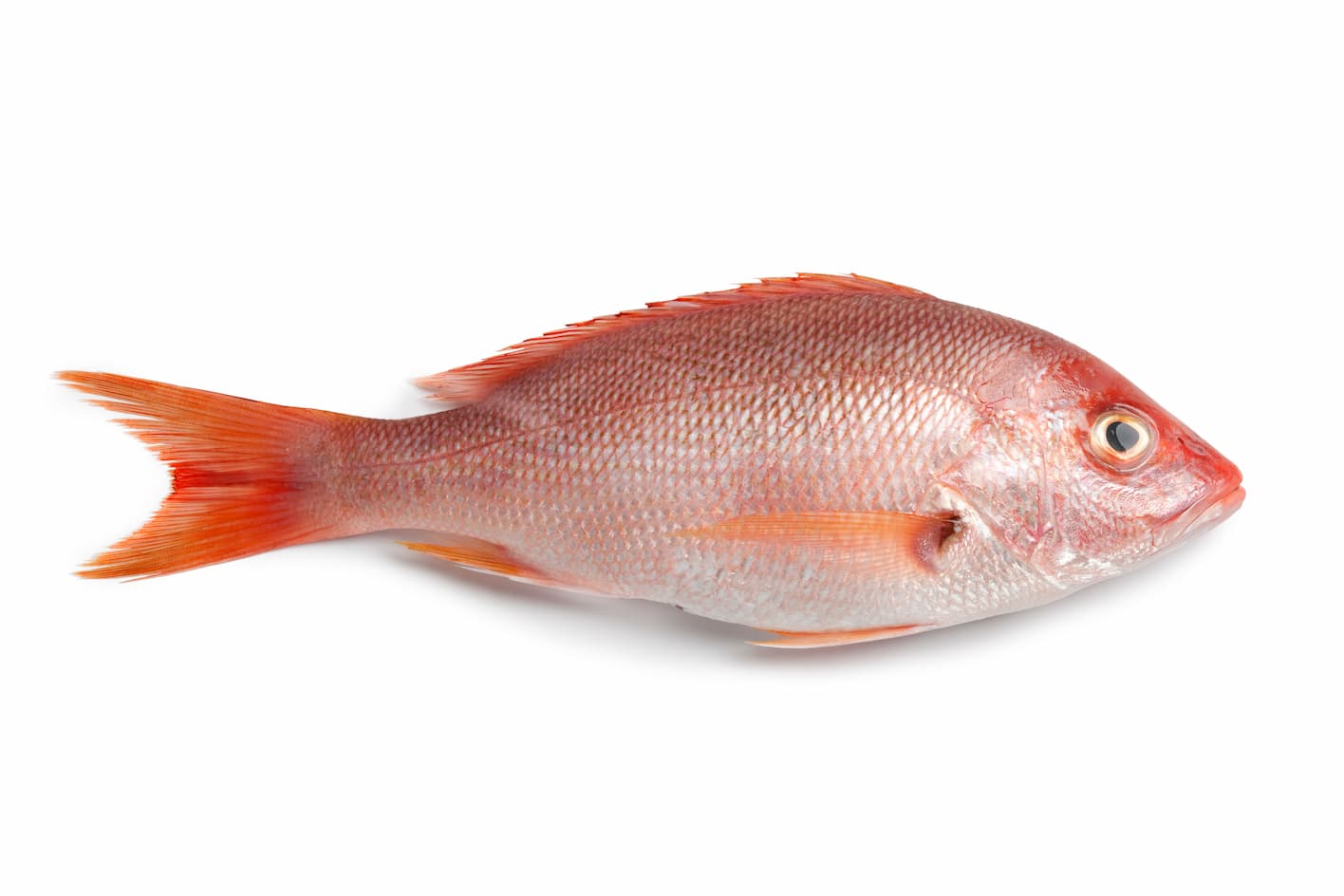
- Color: Pink or reddish, with a characteristic dark spot near the lateral line. Its belly is silvery.
- Size: It generally measures between 30 and 60 cm, although it can reach 70 cm.
- Weight: It ranges from 500 grams to 2 kilos, with large specimens exceeding 3 kilos.
- Life time: It can live up to 15 years, although most captured specimens are younger.
Habitat and Fishing Season for Sea Bream
Habitat: It lives in the Northeast Atlantic and the Mediterranean, preferring rocky or sandy bottoms at depths between 50 and 500 meters.
Fishing season: The best time to fish for sea bream is from November to February, when its flesh is at its peak quality. It is caught using traditional nets and hooks.
Feeding the sea bream
The common seabream is omnivorous, meaning its diet includes both animals and plants. It feeds mainly on small crustaceans , mollusks , and fish. Furthermore, it usually lives in groups and prefers rocky or sandy bottoms.
Types of sea bream
There are several related species:
- Common sea bream (Pagellus bogaraveo): The most popular, it is found in both the Atlantic and the Mediterranean.
- Bottom sea bream: It inhabits deeper waters and is less common in markets.
- White sea bream (Pagellus erythrinus): Smaller and less valued than the common sea bream.
Nutritional values
Per 100 grams of edible portion, sea bream provides:
nourisher | Quantity |
Energy | 86 Kcal |
Proteins | 17 gr |
Total fat | 2 gr |
Saturated fatty acids | 0,44 gr |
Monounsaturated fatty acids | 0,67 gr |
Polyunsaturated fatty acids | 0,33 gr |
Cholesterol | 56,5 mg |
Water | 81 gr |
Football | 30 mg |
Iron | 0,8 mg |
Magnesium | 25 mg |
Potassium | 310 mg |
Phosphorus | 210 mg |
Selenium | 45 g |
Thiamine (B1) | 0,06 mg |
Riboflavin (B2) | 0,08 mg |
Niacin (B3) | 5 mg |
Vitamin B6 | 0,05 mg |
Vitamin B12 | 2,9 g |
Vitamin A | 9 g |
Vitamin D | 0,19 g |
Vitamin E | 1,5 mg |
Frequently asked questions about sea bream
How do you distinguish it from other fish?
It is distinguished by its pink body, a characteristic dark spot on the flanks and its firm meat with a delicate flavor.
How is it cooked?
Sea bream is very versatile in the kitchen: it can be prepared baked, grilled, stewed, or steamed.
Is it sustainable?
Yes, as long as you buy from responsible sources that respect fishing bans and quotas.
Is sea bream a white or blue fish?
It is a white fish, known for its low fat content and high nutritional value.
How much does a sea bream weigh?
The weight varies between 500 grams and 2 kilos, although some specimens can exceed 3 kilos.