 Skip to content

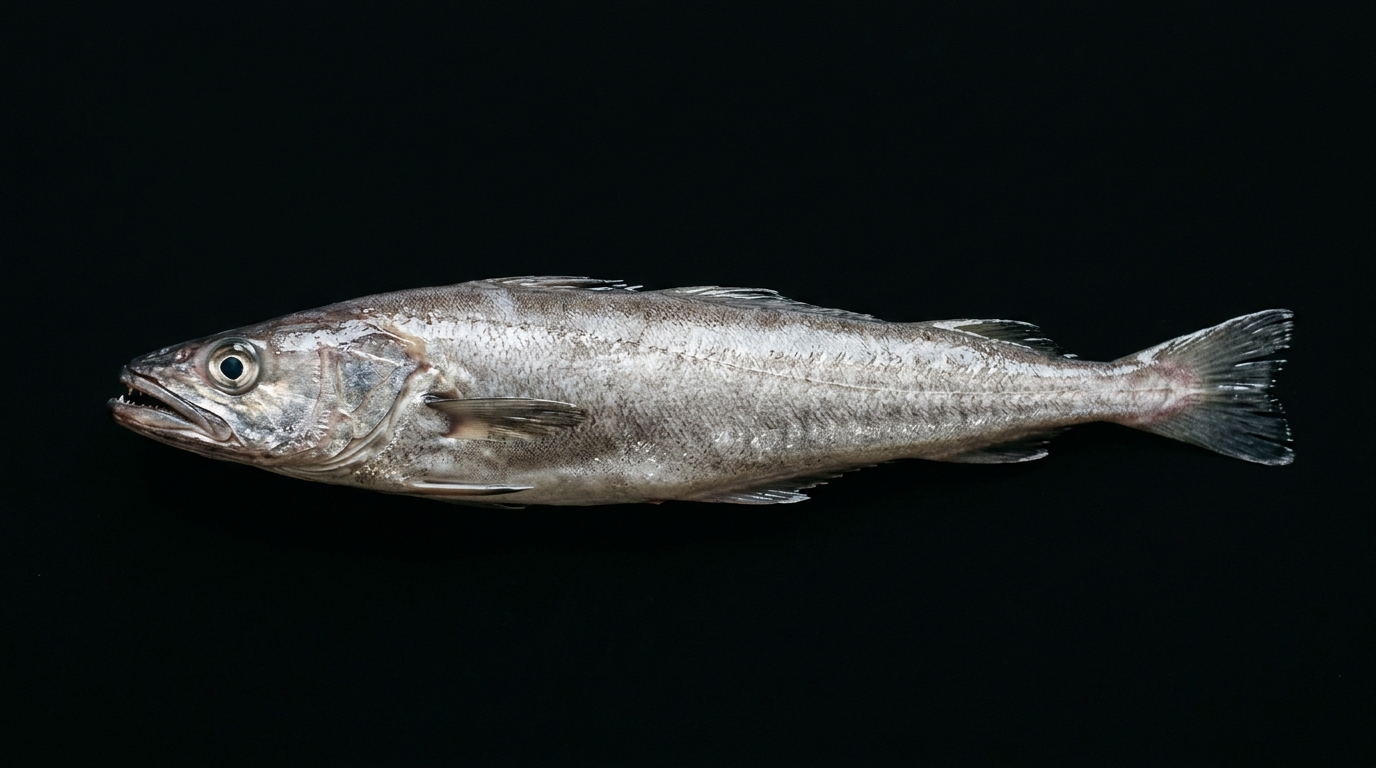
What kind of fish is whiting, really?
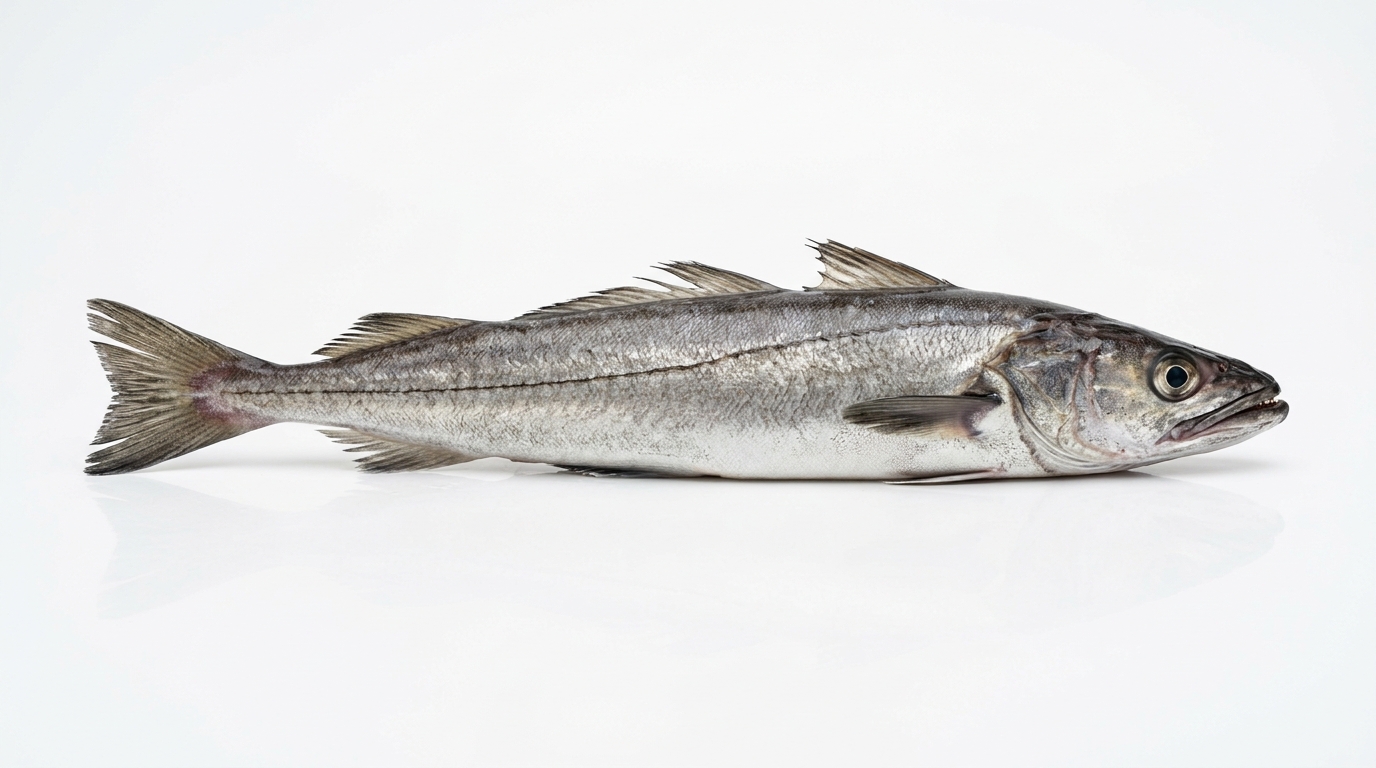
To truly understand the topic, we must first go back to the roots of our fish markets. If you're wondering what kind of fish is whiting , the answer will surprise you.
In the common commercial and fishing practices in our country, whiting and hake are usually distinguished primarily by their degree of maturity and size. They are not different families of fish that live in the sea.
Simply put: out of sheer habit, the younger and smaller specimens are usually called whiting, while the larger ones are called hake.
Whiting or hake: what are their main differences?
When it comes to choosing between whiting or hake , the decision will depend entirely on the recipe you are going to prepare at home.
Understanding the difference between whiting and hake will help you get the most out of each piece and succeed at the table with hardly any effort.
Here's a quick guide to their contrasts to help you become a true expert:
- SizeWhiting (young and small specimens) versus hake (larger pieces).
- TextureWhiting (usually perceived as more delicate) versus hake (much more marked and compact flakes).
- Regular cutWhiting (whole or in a ring) versus hake (prepared loins or thick slices).
- Best useWhiting (perfect for light frying) versus hake (ideal for hake stewssteam and oven).
Weight and size on the scale
Size is the key factor that marks the boundary between the two names in fishmongers and traditional markets in our country.
As a general rule, we consider the smaller specimens to be whiting, as they are much easier to handle whole for cooking.
When the fish grows, matures and reaches a considerable weight, its commercial name naturally changes and we begin to formally call it hake.
The texture of the meat and the flavor
The age of the fish greatly influences how it behaves and how its flesh feels when you put your teeth into it on the plate.
Hake is often perceived as more delicate on the palate, resulting in a very mild option that offers very pleasant bites.
In contrast, mature hake has a flesh that is usually noticeably firmer, ideal for enjoying a structure with well-defined flakes.
Cutting and presentation methods on the plate
Their different sizes mean that we prepare them with very different cuts to make the most of each piece.
Whiting is usually prepared whole, in the classic "whiting ring" format (biting its tail), because it allows it to be handled much more easily in the pan.
Large hake, on the other hand, demands clean, precise cuts. It's ideal for obtaining large slices and beautiful fillets.
Cariocas and pijotas: the other names on the Spanish map
The richness of our coast means that this fish changes its popular name depending on the region you are visiting.
In some areas of northern Spain, the term "cariocas" may appear , a traditional and familiar way of referring to the youngest whiting.
If you travel south, in Andalusia the term "pijotas" is also used a lot , a local classic closely associated with the popular and delicious fried foods.
However, it is important to always remember that catching any fish requires respecting current fishing regulations to ensure the sustainability of the seas.
Nutritional properties of hake: a treasure for your health
This fish is not only delicious, it's also a great ally for taking care of yourself from the inside out every week. Amazing!
If we review the properties of hake , we find it's a fantastic option for your family meals. Take note:
- Protein for your dayAn ideal option to complement an active, balanced and delicious diet.
- Light-profiled white fishIt's wonderful if you're looking for easy digestion and light dinners.
- Nutritional contributionIt helps you complete your usual intake of essential nutrients in the tastiest way possible.
How to cook hake so that it turns out spectacular
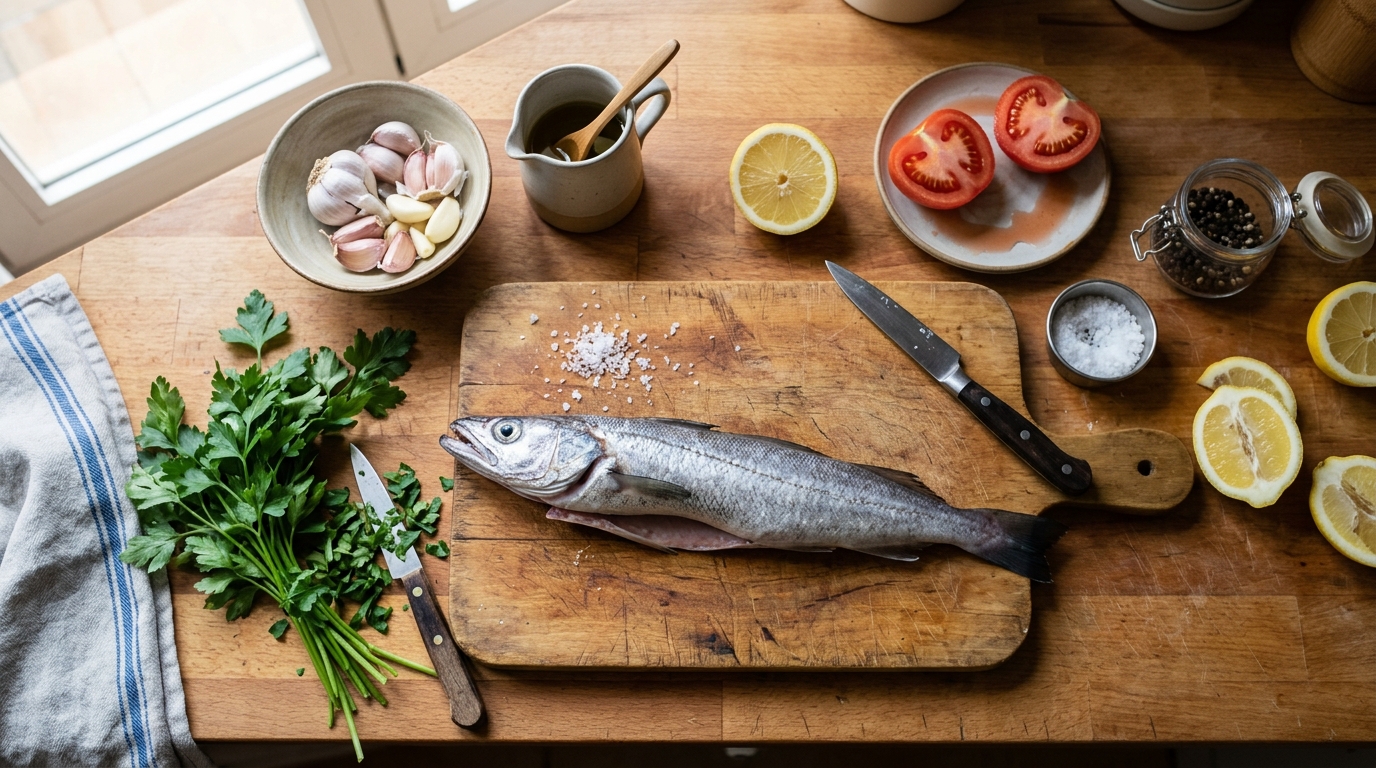
This fish has such great culinary versatility that it allows you to show off in the kitchen without hardly complicating your life at home.
For smaller pieces, such as the classic whiting, a crispy Andalusian fish fry is a guaranteed success that never fails.
If you prefer lighter alternatives, try steaming it with a mild garlic sauce, or baking it directly in the oven on top of some roasted potatoes.
Want to make things even easier? Delfín's quality frozen fish is your best ace in the hole for those busy days.
It comes clean, ready to cook, deep-frozen to preserve its great properties and ready to use in your recipe without wasting anything.
To ensure the result is always extra juicy, follow this quick cooking checklist:
- Defrost the fish gradually inside the refrigerator.
- Dry the surface very well with absorbent paper before frying.
- Keep a close eye on the heat times to avoid overcooking the meat.
- Add the salt at the very last moment so that the piece retains all its moisture.
FAQ
Why does the fish bite its own tail in the kitchen?
It's a traditional Spanish technique ("in a spiral") that allows the fish to fit perfectly whole in medium-sized pans or casseroles. This way, we avoid cutting it into pieces and aim to preserve its internal juiciness as much as possible during the frying process.
Is it safe to eat frozen hake because of the risk of anisakis?
Absolutely. Pre-freezing, and especially industrial flash freezing, is a process that helps to inactivate anisakis, provided it is carried out following the recommended guidelines. This allows you to enjoy your favorite dish with complete peace of mind.