 Skip to content

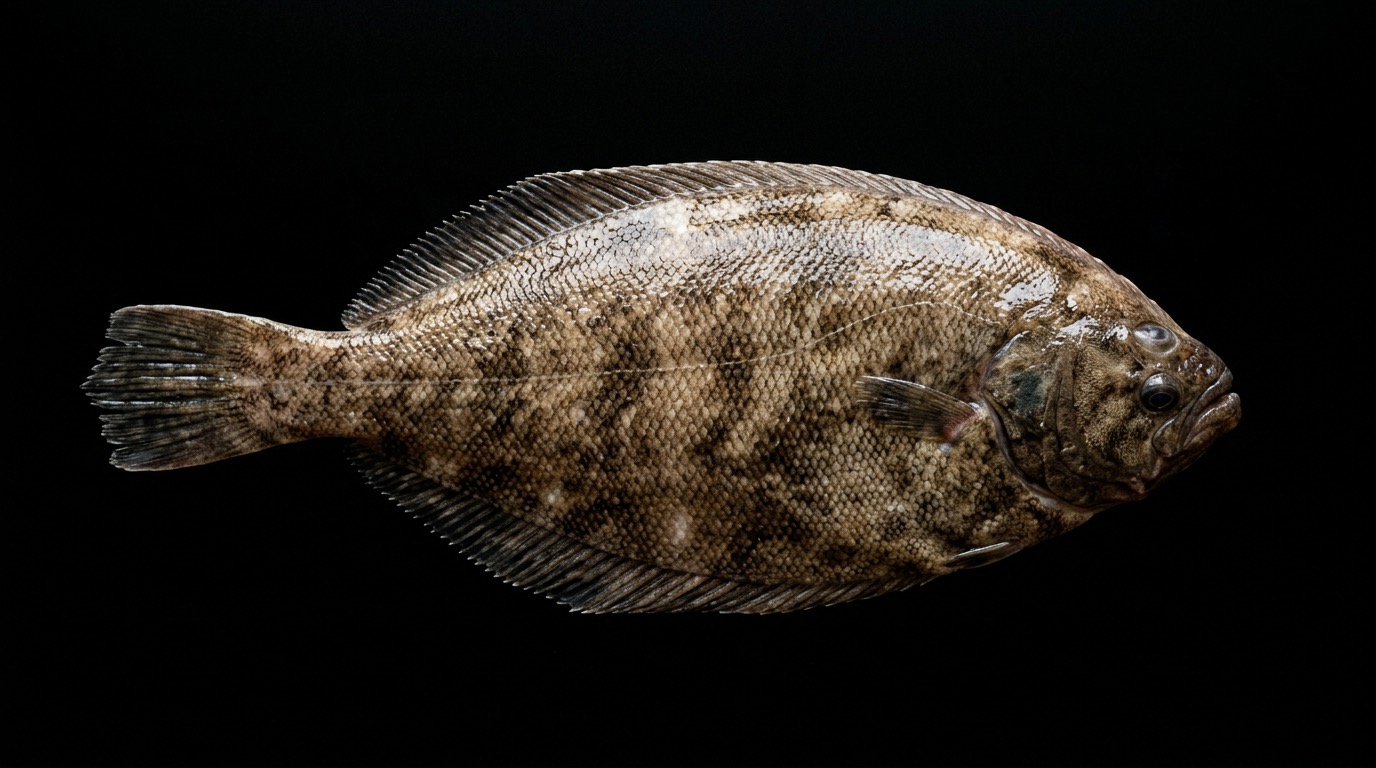
But what makes this white fish so special ? If you love discovering the secrets of the best ingredients, you've come to the right place. Today we're going to tell you everything you need to know about it.
We will review its peculiar way of life camouflaged in the seabed and explore the properties of the sole that make it a fantastic option for the whole family.
Furthermore, you'll learn to distinguish it from other similar species like roosterfish , and we'll give you the best tricks and practical tips for preparing it in the kitchen so it turns out spectacular. Let's get started! Prepare to become an expert and get the most out of every bite.
What is a sole and how does it live?
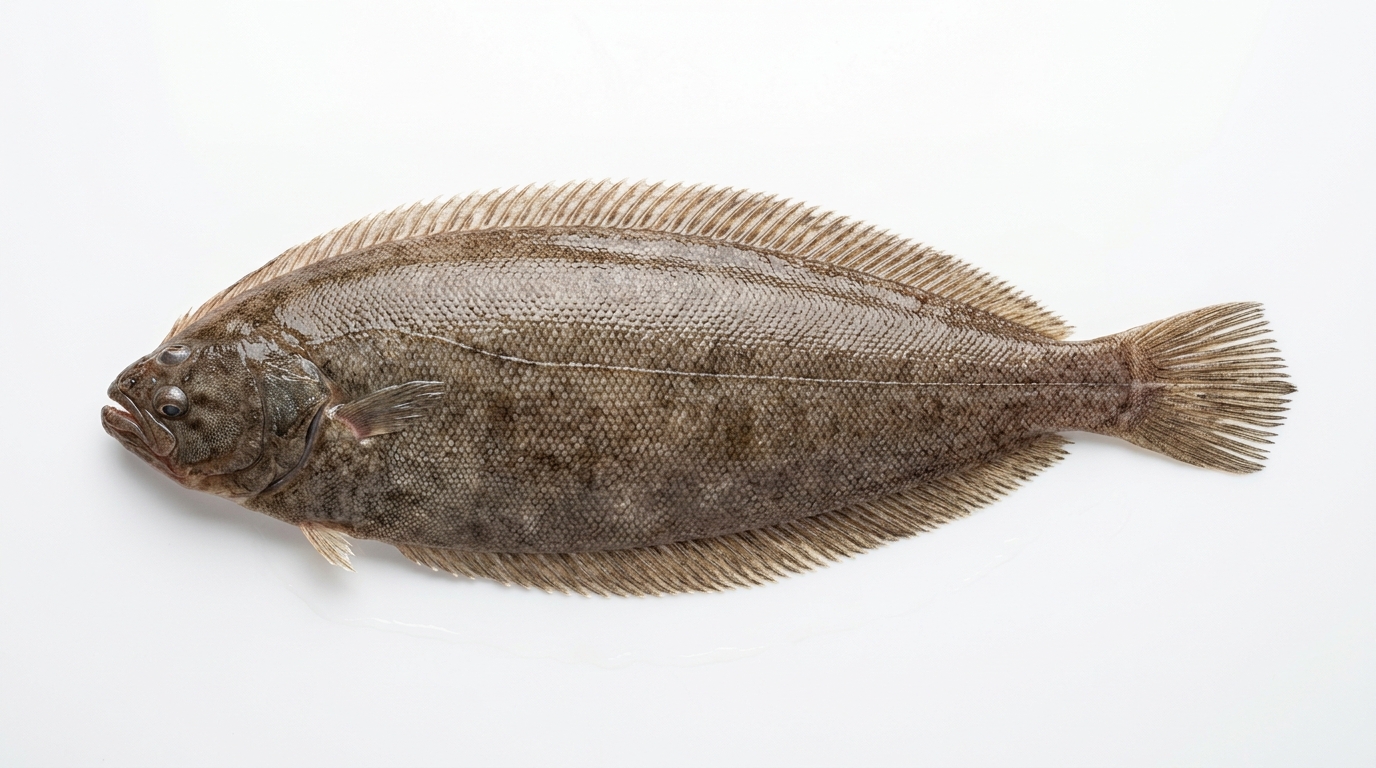
The sole is a fascinating fish known for being one of the most popular flatfish along our coasts. Its development is one of the most striking curiosities of the sea: as it grows, it adopts its peculiar flat and asymmetrical shape, allowing it to adapt perfectly to its environment.
This anatomical design helps it live lying on the sandy or muddy bottoms of coastal areas, where it spends much of its time. It's a true master of disguise!
Thanks to its incredible mimicry, the sole is a fish that perfectly camouflages itself by mimicking the colors of the sand. In this way, it manages to go unnoticed on the seabed, protecting itself and hunting small crustaceans with ease.
Main characteristics of the sole: a unique design of nature
When you go shopping, knowing the characteristics of sole will help you always choose the best pieces, whether at the traditional counter or in the frozen food section.
At first glance, it stands out for its flat, ovoid body. Its skin is very distinctive: the side where the eyes are clustered has a grayish-brown tone, ideal for hiding, while its blind side (the one that rests at the bottom) is completely white.
Beneath that skin lies one of its greatest virtues. Its texture is exceptionally firm and smooth , offering a delicate yet substantial bite that doesn't easily fall apart when pan-fried.
Quick checklist for your purchase:
- Appearance: Bright skin without dull spots if it is fresh.
- Texture: Firm and elastic flesh to the touch.
- Odor: Soft and sea-like; it should never smell strongly of fish.
- Frozen: Container intact, without excessive frost inside.
Most common types of sole in Spain
Among the varieties that can usually be found in Spanish markets, two stand out that delight even the most discerning cooks:
- European sole: It is the most classic and highly appreciated in the gastronomy of our coasts.
- Senegalese sole: Very similar to the previous one in appearance, but it usually inhabits waters of slightly warmer temperatures.
Both options offer excellent quality. On the plate, they can have very similar profiles, resulting in a bite with a smooth texture and a very delicate flavor. A true delicacy!
Properties of sole: health and well-being in every bite
Beyond its exquisite flavor, incorporating this seafood into your weekly menus is a fantastic decision. Discover the most outstanding properties of sole to enjoy it to the fullest:
- Protein source: It provides good quality protein, ideal for general body maintenance.
- Low fat content: It is a very lean fish, excellent for making light meals.
- Minerals: It contains minerals common in white fish, such as phosphorus and potassium.
- Vitamins: It provides several B vitamins, which are common in seafood.
- Healthy fats: Although in small quantities because it is a lean fish, it offers a slight contribution of beneficial fatty acids.
¿White or oily fish?
If you've ever wondered, the answer is clear: it's a white fish . This is due to its low fat content, which distinguishes it significantly from oily fish like salmon or tuna.
Thanks to this quality, it's a very easy-to-digest food. It's a popular choice for light dinners, mild meals, and for those looking to manage their daily diet in a tasty way.
The perfect ally for the little ones
It's no coincidence that it's a favorite on Spanish children's menus. Kids usually love it because it has a very mild flavor, unlike the strong aftertaste that other seafood can have.
For parents, it's synonymous with convenience in the kitchen. Its side bones are easy to locate and remove, making preparation much simpler. However, one key practical tip : always carefully check the fillets before serving them to children or the elderly to ensure there are no small bones left. If you cook for them, you'll find more ideas in our fish guide for seniors.
What is the season for sole?
If you're wondering when is the best time to buy it fresh, you should know that the wild sole season can vary considerably depending on the geographical area and availability conditions on the coast.
However, the frozen format makes our lives much easier. Thanks to the modern flash-freezing processes we use at Delfín , you no longer depend on a strict schedule to treat yourself.
Having frozen fish at home helps preserve its quality, firm texture, and mild flavor all year round. Maximum convenience, always ready in your freezer!
Flounder or John Dory: Do you know how to tell them apart?
It's one of the most common confusions at the fish counter. Both are flatfish that are widely consumed, but their visual and culinary differences are significant.
Here's a quick overview to help you distinguish them:
- Form: The roosterfish is much longer, narrower, and translucent in appearance. The sole has a more rounded, oval shape and is opaque.
- Eyes: The rooster's eyes are notable for being much larger in proportion to its head.
- Texture: The flesh of the rooster is very delicate and tends to fall apart more easily when cooked. The sole boasts firmer, more compact flesh.
- Taste: While the roosterfish is very mild but neutral, the sole offers a subtle, tasty flavor that is highly prized in our country's kitchens.
Sole in the kitchen: culinary techniques and uses
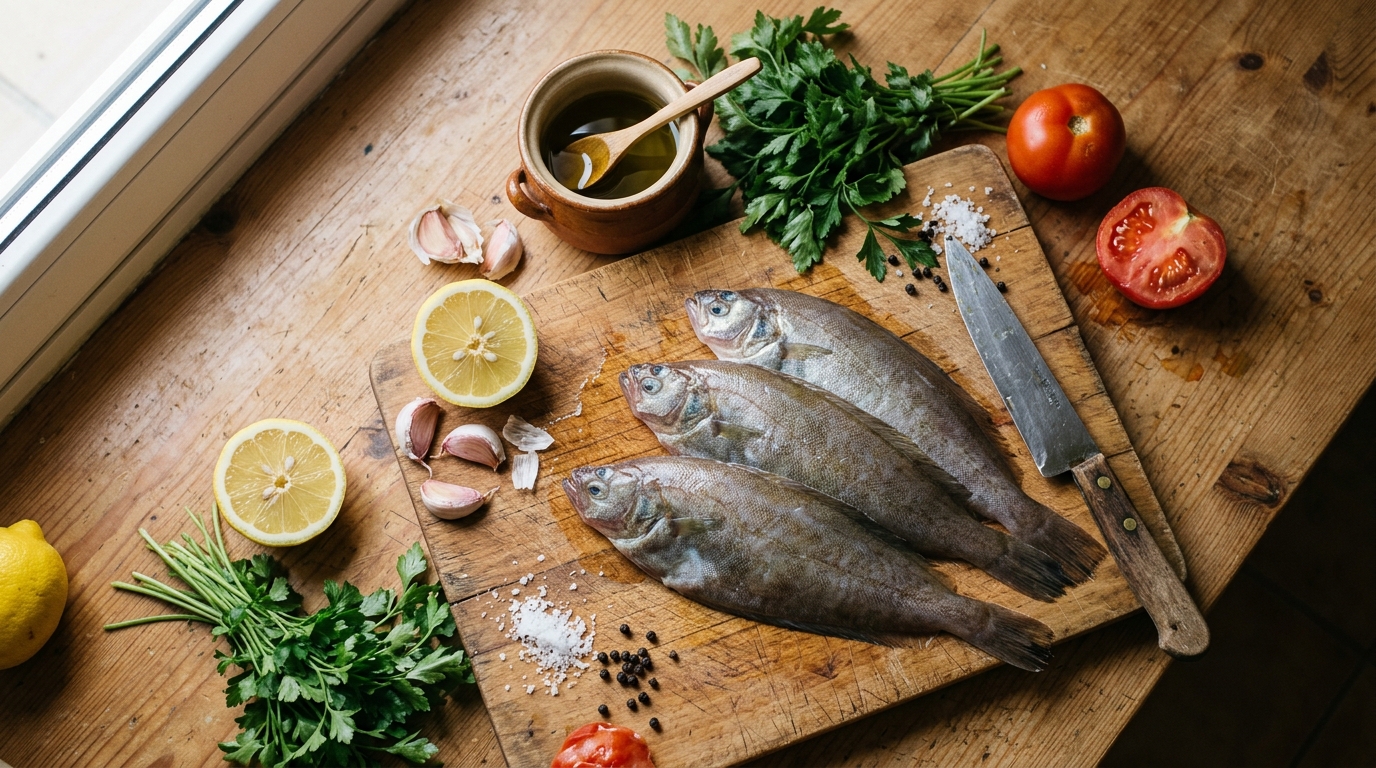
It's time to fire up the stove! This fish is incredibly versatile and can be prepared in almost any way: grilled with a drizzle of oil, gently roasted in the oven, or fried until crispy.
Furthermore, it's ideal to serve with classic side dishes from our cuisine. Boiled potatoes with paprika, a vegetable stew, a warm salad, or simple white rice go wonderfully with it.
How to clean sole like a pro
Preparing it at home is much easier than it seems. To clean a flatfish, make a small cut near the tail, lift the dark skin, and pull it towards the head. Using a clean kitchen towel will help you grip it firmly so it doesn't slip.
If you want to serve it in neat portions, score the center line along the spine with your knife. Gently slide the blade to the sides and you'll have four fillets ready to pan-fry.
Classic recipe: Sole a la Meunière (miller style)
This traditional French recipe is a guaranteed success thanks to its elegance and simplicity. Take note:
Ingredients: Cleaned sole, butter, flour, lemon and fresh parsley.
Step-by-step preparation:
- Coat with flour: Season the fish with salt and pepper and coat it in flour, shaking off the excess.
- Kitchen: Brown it in a large skillet with butter and a drop of oil. Cook over medium heat until the meat is cooked through and juicy.
- The sauce: Remove the fish to a serving dish. In the same pan, melt a little more butter, being careful not to burn it, then add the lemon juice and chopped parsley. Pour this delicious, frothy sauce over the fish and enjoy!
Frequently Asked Questions (FAQs)
Are nutrients lost when consuming frozen sole?
Flash freezing is an excellent process that helps preserve the quality of fish. If the cold chain is maintained and the fish is thawed correctly (by placing it in the refrigerator gradually), you'll maintain a fantastic texture and great flavor for your recipes.
How can I tell if a sole is fresh if I buy it whole?
You should check that its skin is shiny, slippery, and free of dull spots. The gills should be a deep red color, and the smell should be a very mild, sea-like scent. If buying frozen, always make sure the packaging is well-sealed and undamaged.
Does sole contain a lot of mercury?
As with other moderately sized white fish, it is a commonly consumed species. It is considered a mild and light option, excellent for regular inclusion in a balanced and varied diet.