 Skip to content

List of boneless fish
- Tuna — One of the most popular boneless fish, it comes in belly, tarantelo, or morrillo forms; lean and very versatile (grilled, tartar, tataki, etc.)
- Cod Fish — Fresh or desalted cod loins have hardly any bones, and their buttery meat is ideal for battered dishes or pil-pil.
- Bonito — Similar to tuna, its loins are very safe to eat and very juicy in stews or grilled.
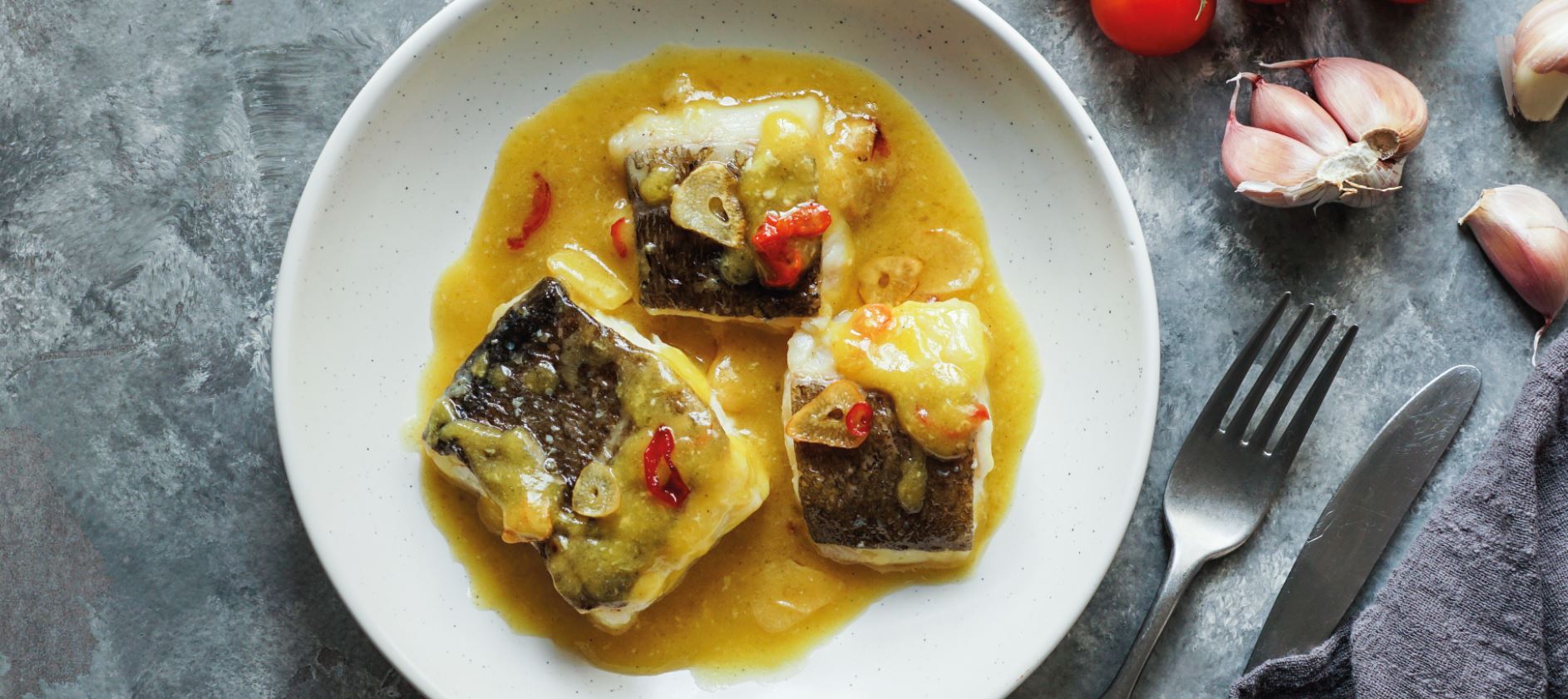
- Hake — Classic white with tender meat; sold in fillets without bones
- Snuff — Firm, boneless meat on the loin; it is often used in stews, baked, or grilled slices.
- Halibut — Very thick and boneless loin, perfect for grilling or en papillote
- Salmon — Boneless Norwegian or Atlantic salmon fillets, very popular baked, pan-fried, or raw in sushi
- Mullet — Although it is smaller, in loin format it offers a bite without scratches
- Panga — River fillet, soft texture and practically boneless; commonly found in frozen foods
- Tilapia — Another farmed white fillet, easy to find and with hardly any bones
- Whiting Fish — Very similar to hake; its loins are sold boneless.

Quick comparison: bones, shape and cooking
| Fish | Spine level | Recommended format | Better cooking |
|---|---|---|---|
| Snuff | Without bones on the back | Tail or back | Stew, oven, griddle |
| Tuna / Bonito | Central spine only, easily removed | Loin or taco | Grilled meat, tartar, tataki |
| Swordfish (Emperor) | Central spine only | Slice | Iron, oven |
| Dogfish | Cartilage, without spines | Taco | Adobo, fried |
| Hake / whiting | Few and localized | Skinless fillet or loin | Green sauce, oven, breaded |
| Cod Fish | Loins practically clean | Loin | Pil-pil, oven, battered |
| Sole | Single central spine | Fillet | Plancha, meunière |
| Salmon | Few, they are removed with tweezers | Loin or fillet | griddle, oven, papillote |
| Halibut | Thick and clean back | Loin | Pan, papillote |
Why choose boneless fish?
Choosing boneless fish simplifies the dining experience, minimizes the risk of choking, and makes it easier to include in menus for the whole family, including children and the elderly.
Furthermore, by not having to spend time removing bones, meat losses are reduced and the fish's nutritional value is maximized.
How to prepare and cook these boneless fish
Grilled or pan-fried
Hake, Cod, Monkfish and Halibut: Marinate briefly in oil, lemon and parsley. Cook 2–3 minutes per side over high heat.
Baked or papillote
Salmon, Tuna and Hake: Wrap in parchment paper with vegetables and herbs, bake at 180°C for 12–15 minutes.
Stews and stews
Bonito, Monkfish and Red Mullet: Add at the end of cooking to maintain juiciness, with an additional 5–7 minutes of cooking time.
Raw or semi-raw
Tuna and Salmon: Cut into cubes for tartare or tataki and marinate in soy, sesame and ginger.
Frozen boneless fish: the most practical option
The easiest way to avoid bones is to buy pre-processed, frozen fish fillets or loins: industrial cutting removes bones better than home filleting, and flash freezing preserves the texture. In practice, a frozen hake fillet, cod loin, or monkfish tail arrives in your kitchen ready to use, without needing to be cleaned or checked. Consult our list of white fish to choose the one that best suits your recipe.
Boneless fish for children
For young children, pediatricians usually recommend starting with mild white fish in safe preparations: hake or whiting fillets, sole, and monkfish are classic choices, always in fillet or loin form. Dogfish and swordfish, although they don't have small bones, should be limited for children due to their mercury content. You can find more advice in our guide to fish and seafood for children.
FAQ
Which fish has no bones?
No bony fish is completely boneless, but monkfish has no bones along its back, and tuna, bonito, swordfish, and dogfish only have a single central bone or cartilage that is removed with a cut. When cut into loins or fillets, they are completely clean.
Which white fish do not have bones?
The safest options are monkfish, hake, and whiting fillets, sole, cod loin, and halibut. Purchased as frozen fillets or loins, they arrive boneless at the table.
What is the best boneless fish for children?
Hake or whiting fillets are the most recommended: mild flavor, tender flesh, and no risk of bones if purchased already filleted. Sole and monkfish are the other two classic options for children's menus.
What boneless fish are available at the supermarket?
In the frozen section you will find hake fillets, cod loins, monkfish tails, sole fillets, swordfish slices and tuna chunks: all processed to arrive boneless or with a single central bone that is easy to remove.
Some recipes with boneless fish:
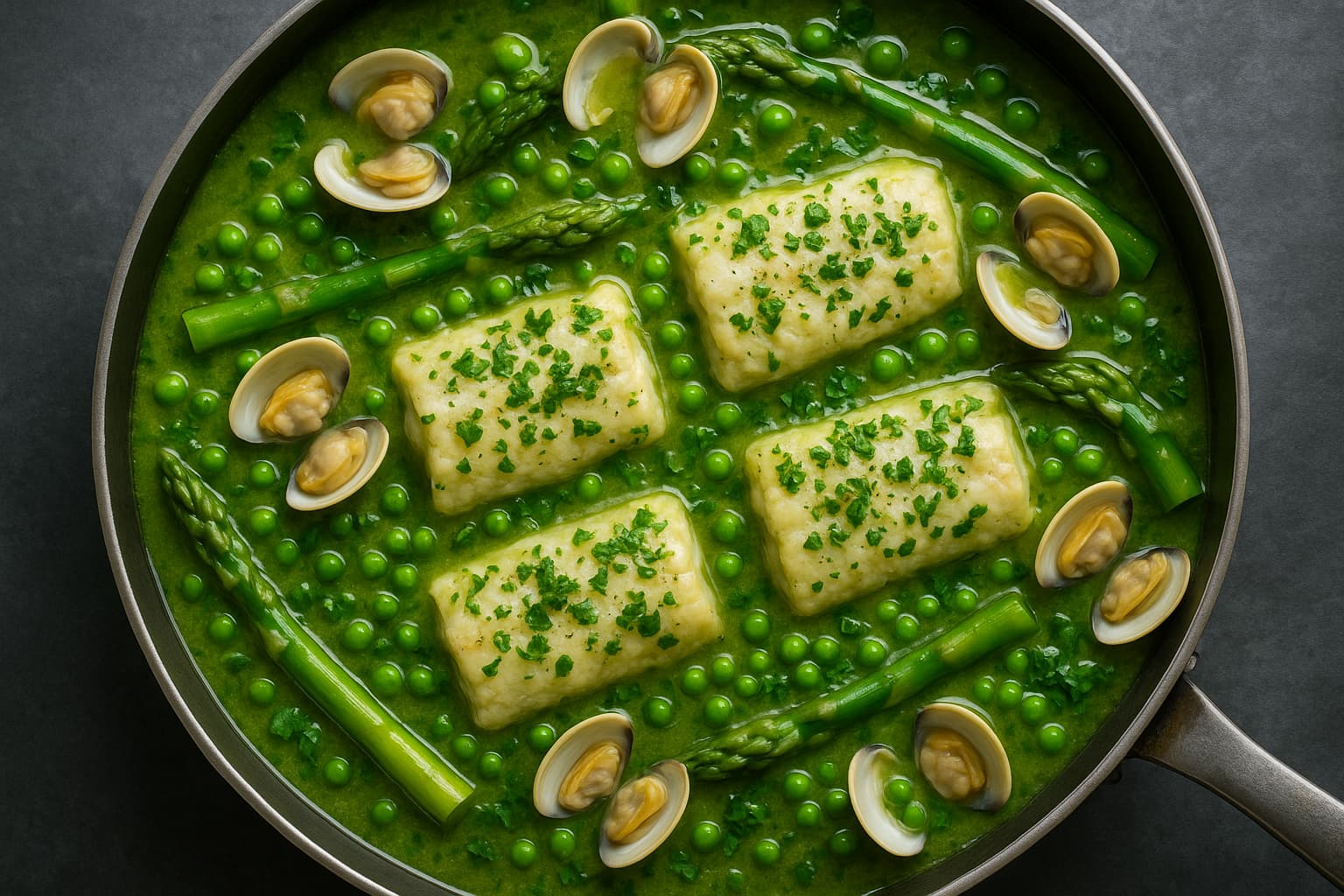
Merluza in Salsa Verde
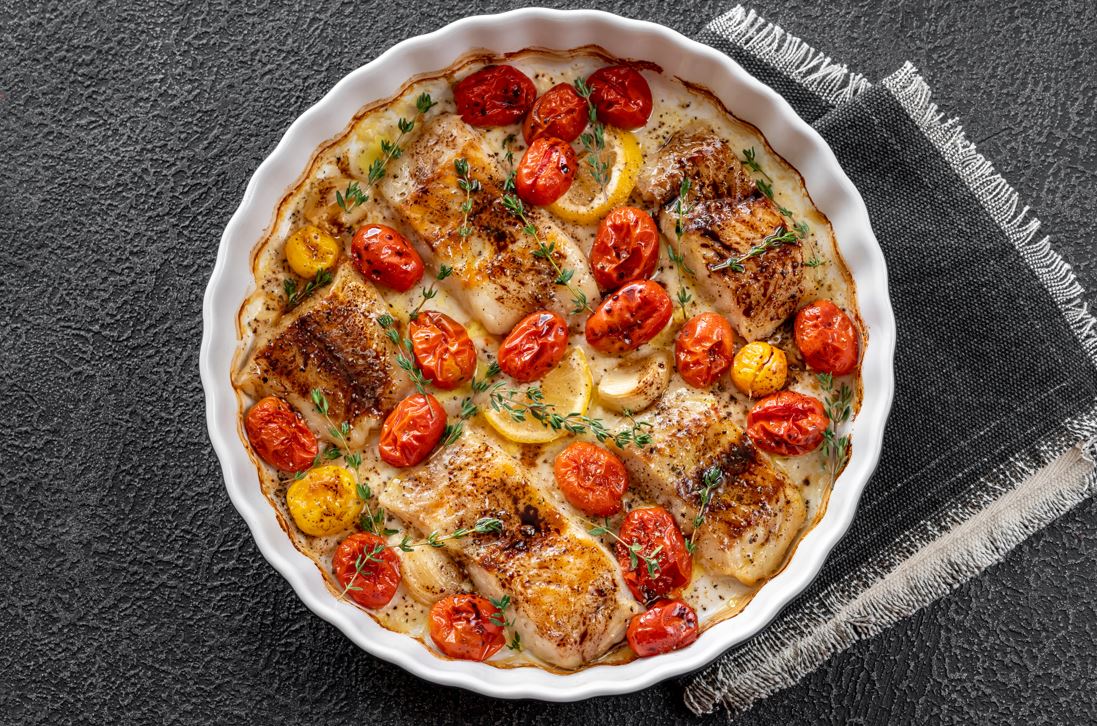
Baked cod
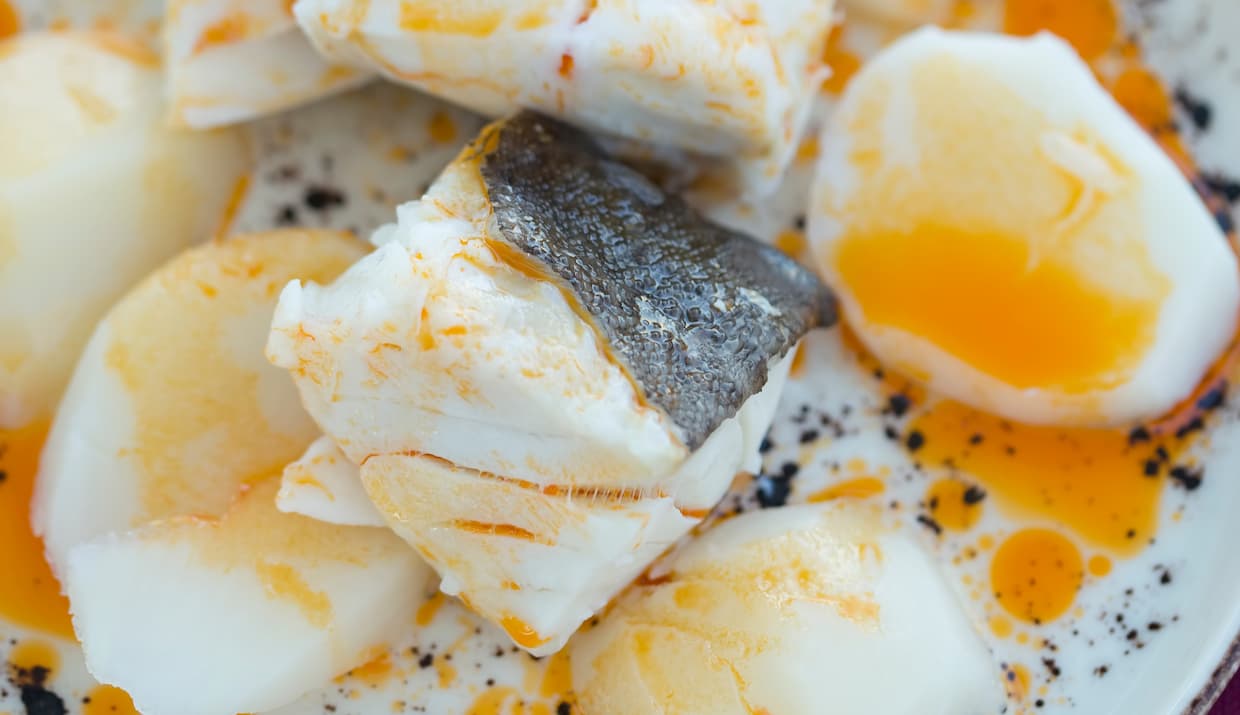
Galician-style hake