 Skip to content
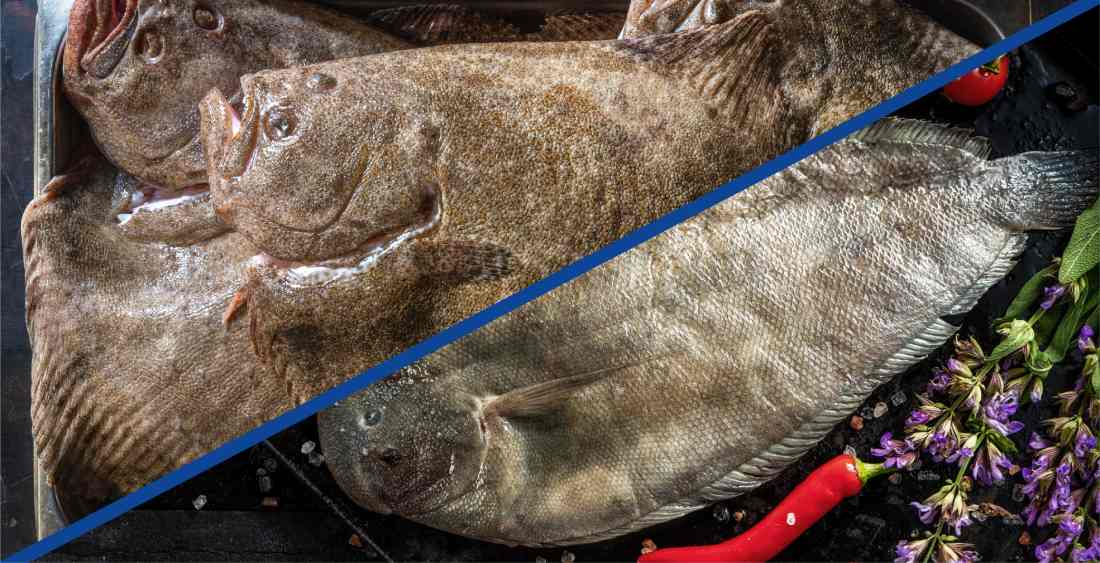
Differences between sole and plaice
Plaice and sole. What do they have in common? How can you tell them apart? We'll tell you all their characteristics, properties, and everything you need to know to differentiate these white fish!
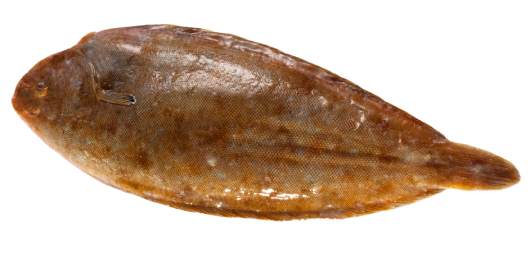
What is a sole?
The common sole (Solea solea) is a white fish that lives on muddy and silty bottoms in seas , estuaries, and river mouths. Its body is flat and it has both eyes on the same side.
It can weigh over 2 kg and measure between 50 and 60 cm in length. Occasionally, sole weighing around 10 kg have been found . The sole lives at depths of about 100 meters and prefers warm and temperate waters.
Sole is a very healthy fish that has been consumed since the Middle Ages. It contains only 1.2 grams of fat per 100 grams , making it one of the lowest-fat fish, and has almost no carbohydrates or salt. This makes it highly recommended for weight-control diets and for helping to lower cholesterol.
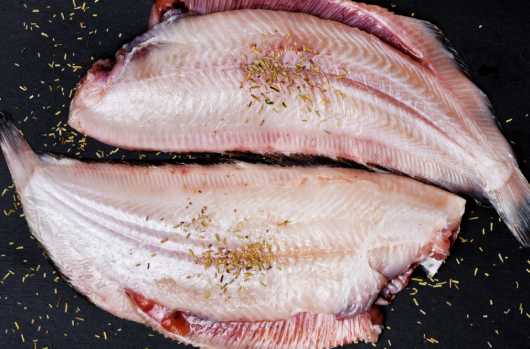
Sole can only be fished in summer , but it can be found year-round because it is also farmed . If you want to know the differences between wild and farmed sole, pay attention to these three points:
- Color Regarding the skin, wild sole is dark brown while farmed sole is greener.
- Touch Of the body, wild sole has more slippery skin, while farmed sole does not. This is because in the wild they feed on more nutrients and vitamins.
- Firmness Regarding the meat, a wild sole will have firmer, more compact meat while a farmed one will not.
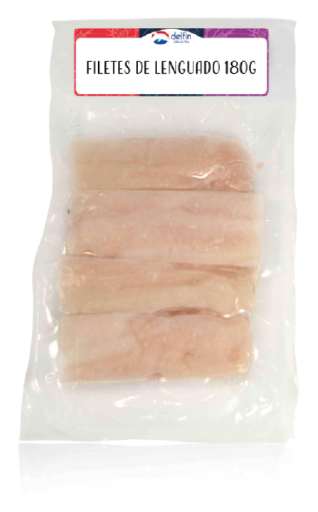
What is a flounder?
The flounder (Platichthys flesus) is a white fish that also lives on the seabed. Its body is flattened like that of the sole, but with the exception that it does not grow as large.
It can weigh between 2 and 4 kg and measure between 40 and 50 cm in length. The flounder lives in shallow waters in the temperate and colder waters of northern seas and oceans, such as the Baltic Sea. Flounder is as delicious as it is healthy. It has 1.80 grams of fat per 100 grams, making it good for weight-control diets or simply for healthy eating. It is rich in protein , with 17 grams per 100 grams, and contains very few carbohydrates or sugar.
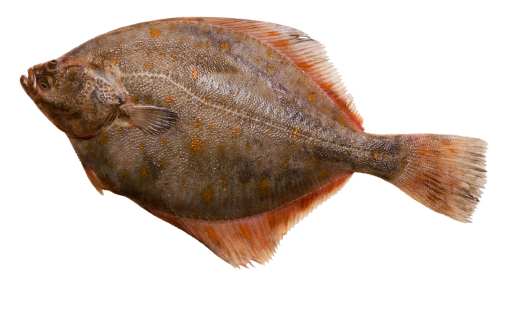
Differences between sole and plaice
Another difference is that the Flounders have their eyes on the right side while most plaice have their eyes on the left side (This will depend on the species.) The last differences are that the flounder has more developed teeth than the sole.
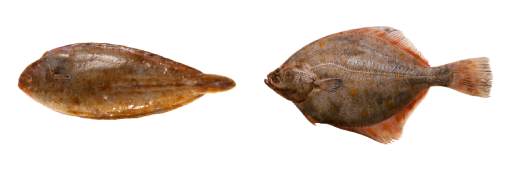
Similarities between plaice and sole
Both fish have very similar flesh and are low in fat. Both tolerate fresh water and can enter rivers and estuaries.. You can fish along the coast.