 Skip to content
Seafood: How many types are there in Spain?
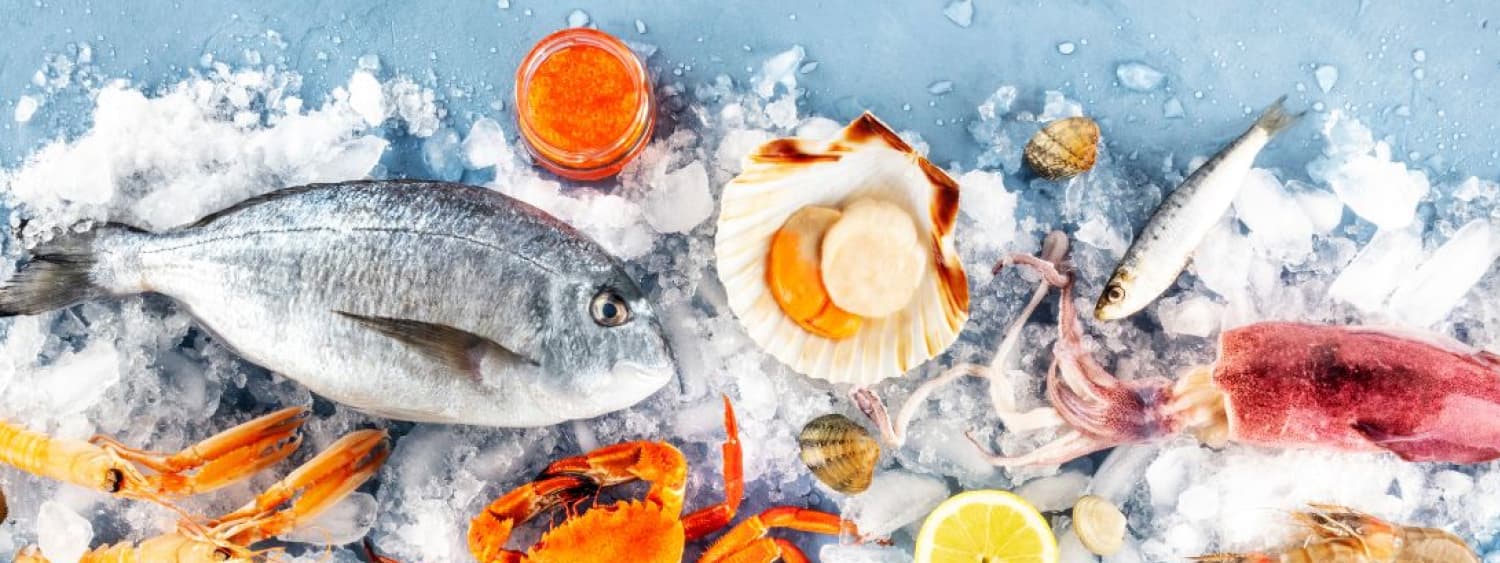
If you enjoy seafood, you'll be interested in learning about its benefits and the types of shellfish available. Also, do you know which is the most common in Spanish cuisine? Find out!
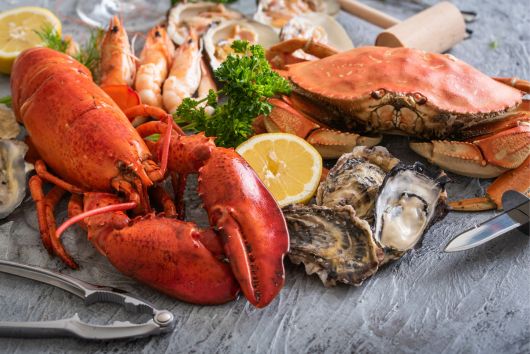
Seafood is a delicious and healthy source of protein found in oceans and rivers around the world. There are several types of seafood, each with its own unique flavor, texture, and nutritional value.
It's a widely used product in Spanish cuisine, especially in Galicia and Andalusia, where we can find a wide variety of seafood. It's a product that can be cooked and eaten in a variety of recipes.
What are shellfish?
Seafood are edible marine animals that include crustaceans (lobsters, crabs, prawns…) and mollusks (octopuses, clams, oysters …), known for their diversity of species, nutritional benefits, culinary possibilities and of course, for their flavor.
These marine creatures feed primarily on algae, smaller fish, carrion... it all depends on the type of shellfish. Therefore, let's take a look at the types of shellfish that exist.
Types of seafood
Globally speaking, there are many types of seafood—thousands. It is estimated that there are around 50.000 species of mollusks and 30.000 crustaceans. But of all these tens of thousands, most are inedible or not used regularly. Therefore, practically speaking, we can say that there are hundreds of types of seafood that people eat with some frequency.
Focusing on the hundreds of species that are frequently eaten, we would talk about the following groups:
Seafood
Crustacean shellfish are a group of marine animals that include lobsters, crayfish, prawns, king prawns, shrimp, crabs, and barnacles , among others. They are characterized by having a segmented exoskeleton and possessing multiple legs and antennae. This type of shellfish is one of the best known and easiest to prepare and consume.
Molluscs
Mollusks are soft-bodied animals often covered by outer shells. They can be divided into three subgroups:
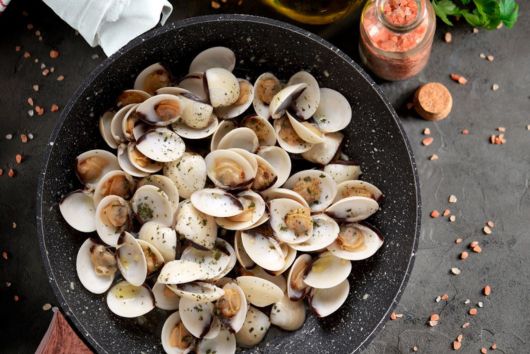
- Bivalve molluscs: These are mollusks that have a shell composed of two parts, such as clams, cockles, scallops, or scallops, among others.
- Cephalopod molluscs: They have a soft body and limbs and are characterized by not having a shell or exoskeleton. They can be squid, cuttlefish, and octopus.
- Gastropods: Mollusks with a single shell, such as sea snails.
Echinoderms
Echinoderms are a large group of animals, but not all of them are shellfish. Among the echinoderm shellfish are sea urchins, which have bodies full of spines that protect them.
Most common types of seafood in Spain
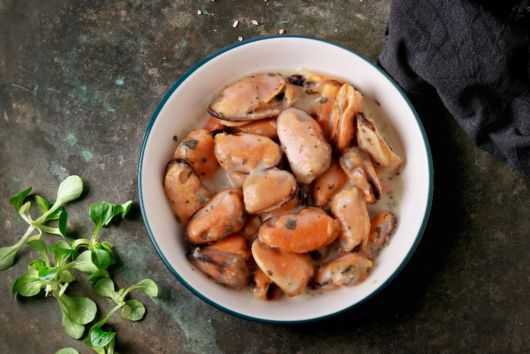
Seafood is a staple in Spanish cuisine , especially during festivals, and can be found in a variety of recipes . The most well-known are Galician shellfish, including the famous mussel, which is typically served with a squeeze of lemon and salt. And two of the most typical traditional seafood dishes in Spain are Galician-style octopus and barnacles.
The list of the most common types of seafood in Spain could be:
These are just a few examples of the most commonly consumed seafood in Spanish culture. However, it's important to note that Spain offers a wide variety of seafood, and each region can have its own local specialties.
List of the 20 Main Types of Seafood
- Lobster
- Crab
- Shrimp
- Mussel
- Clam
- Cuttlefish
- Squid
- Octopus
- Vieira
- Prawn
- European spider crab
- Shrimp
- Carabineer
- Shrimps
- crab
- Lobster
- Cockle
- Crab
- Razor
- Ostra
Looking at this list, could we say that the octopus is a type of seafood? Indeed, the octopus is a type of seafood; specifically, it is a cephalopod belonging to the mollusk family.
In conclusion, seafood is a delicious and diverse category of food found in seas and oceans around the world.
In addition to their culinary delicacy, seafood is also an excellent source of essential nutrients, such as high-quality protein, minerals, and vitamins. The omega-3 fatty acids present in many seafoods also provide health benefits, such as cardiovascular protection.
Seafood, a true culinary treasure