 Skip to content
- June 29, 2023
Carabineer
(Plesiopenaeus edwarsianus)
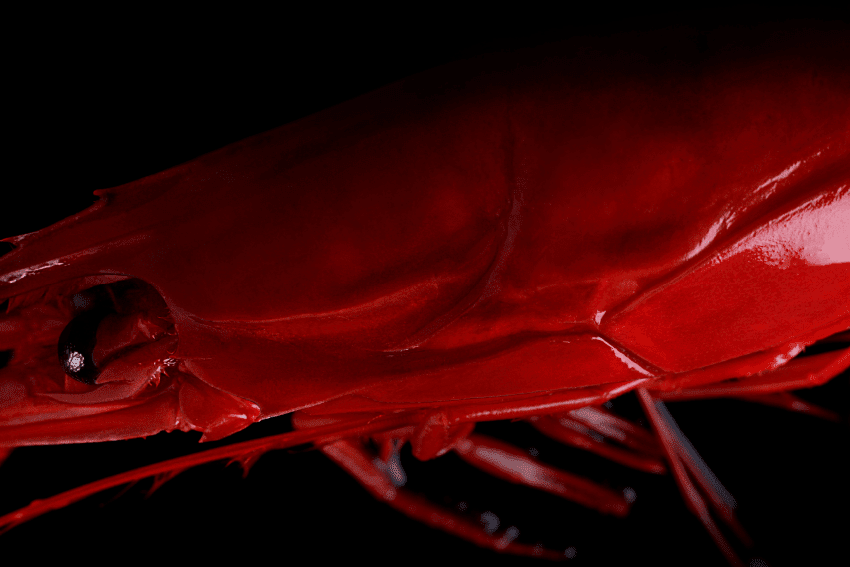
The carabinero is a decapod crustacean that is very characteristic due to its colors and size.
Characteristics of the Carabinero Marisco
A scarlet shrimp can reach between 10 and 20 cm in length in its adult stage, with females being slightly larger. Some have been found measuring 30 cm.
It can be found in different colors, although they are usually very intense reddish.
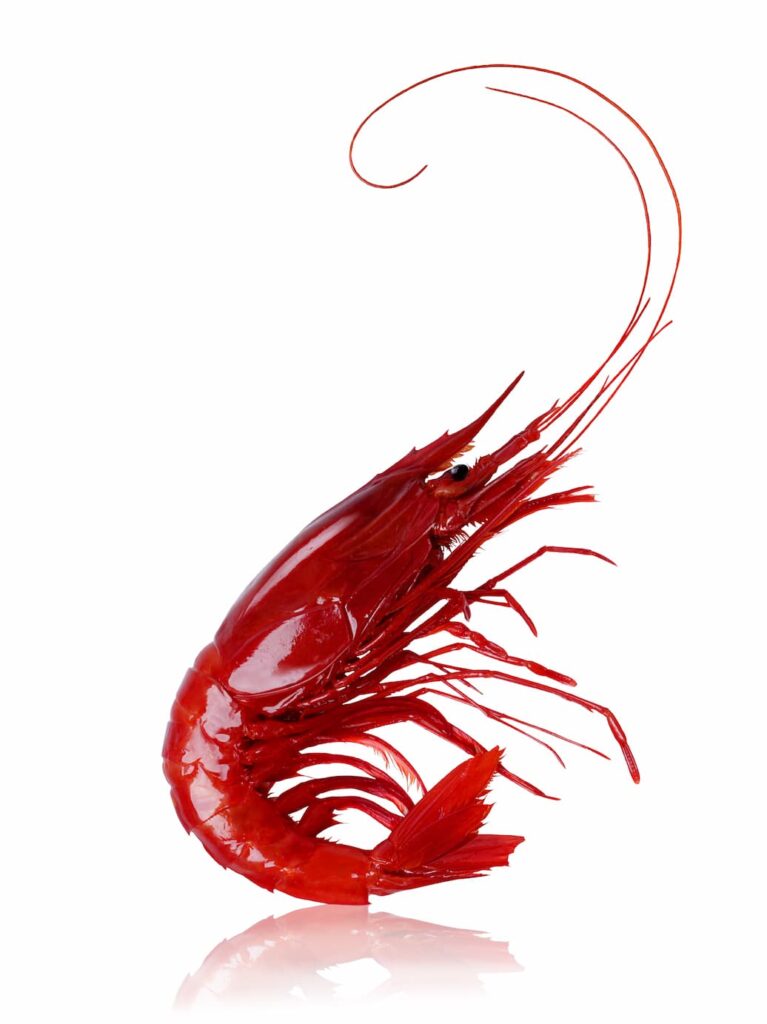
Their bodies are long and consist of a cephalothorax and abdomen. They have 10 legs, a tail, and two pairs of antennae, which are longer than the carabinero itself.
Carabineros have highly developed eyes, located on each side of their face, allowing them a wider field of vision and greater ease of movement.
It closely resembles other decapods such as shrimp or prawns, but differs in that the carabinero is considerably larger.
Due to the depth at which it lives, usually between 400 and 700 meters, its diet consists of algae, organic remains and plankton.
Types of Carabineros
There are no other types of prawns, but there are other shellfish with which it can be confused.
This is the case of the North African prawn , a decapod found in the Mediterranean Sea, Indian Ocean and Atlantic Ocean.
It lives between 400 and 800 m deep and also feeds on organic remains and algae.
The difference between the carabinero and the Moroccan prawn is that the carabinero has a more elongated shape and is larger.
The Moroccan prawn usually measures between 15 and 20 cm, unlike the 30 cm that the carabinero can reach.
Both crustaceans are deep red, but the carabinero has darker tones, especially around the head and tail.
Nutritional values
Carabinero is a seafood that not only has a unique flavor but also offers good nutritional value.
| Nutrients | Quantity |
| Calories | 115 Kcal |
| Proteins | 23.9 gr |
| Total Fats | 1.7 gr |
| Saturated fats | 0.3 gr |
| Monounsaturated Fats | 0.8 gr |
| Polyunsaturated fats | 0.4 gr |
| Cholesterol | 150 mg |
| Carbohydrates | 0 gr |
| Dietary fiber | 0 gr |
| Sugars | 0 gr |
| Football | 79 mg |
| Iron | 1.3 mg |
| Potassium | 254 mg |
| Sodium | 253 mg |
| Vitamin C: | 3 mg |
| Vitamin A | 25 IU |
**It is important to note that these values may vary slightly depending on the size of the Carabinero.
Carabineros provide Vitamins A, B and E , as well as a multitude of essential minerals such as: calcium, magnesium, phosphorus, potassium, zinc, iron, selenium, sodium and iodine.
It is a shellfish that has a lot of meat, with 60% of its weight being edible, and can be used in different recipes.
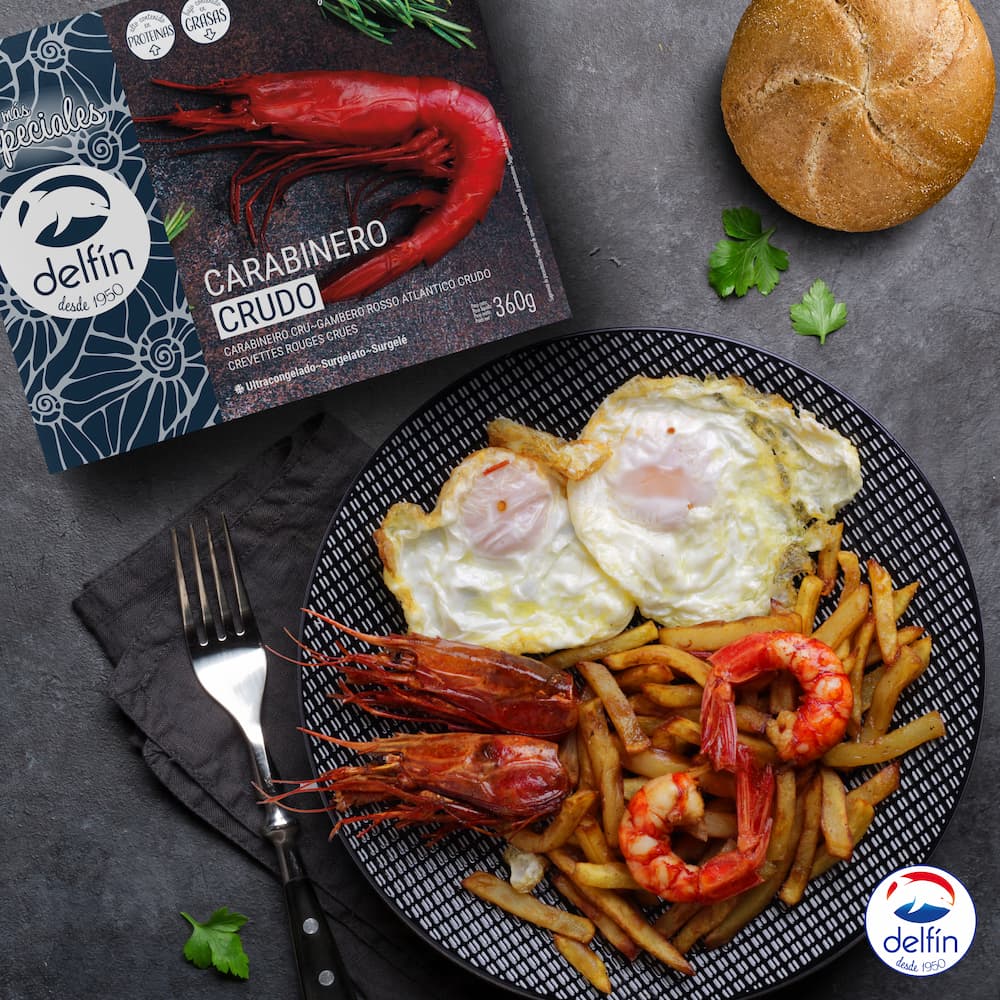
The most common recipes with scarlet prawns are soups, creams, and rice dishes , where their flavor really shines. Although they're delicious grilled too!
Habitat
Carabineros live in cold and temperate waters, in the Mediterranean Sea and the Atlantic Ocean (in the Northwest part).
They typically inhabit sandy bottoms and can be found at depths ranging from 100 to 2000 meters. However, they are most commonly found at 700 meters.
Carabineros move in large groups, forming schools or shoals that move along the substrate.
This shellfish has a great ability to swim swiftly, which allows it to undertake very long migrations.
Season and Fishing Gear
Carabinero fishing season
The scarlet prawn is fished in the summer months: June, July, August and September.
Fishing is not common during the rest of the year, so it's common to find frozen red shrimp, which retains the same properties as it was frozen at the time of fishing.
In the past, carabinero was not deliberately caught, but rather was found in fishing nets when other species were caught.
But when it became commercially available and its incredible flavor was discovered, people began to consciously seek it out.
Currently, it is a species with a slightly smaller population, and because it is more difficult to catch, the price of red shrimp is higher.
Fishing Art
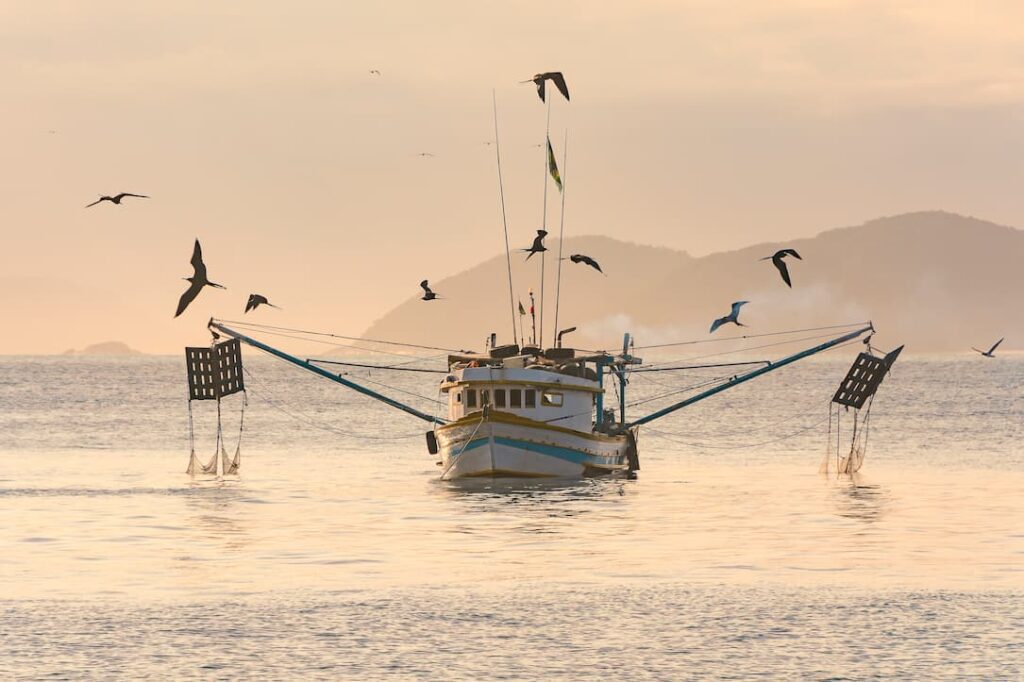
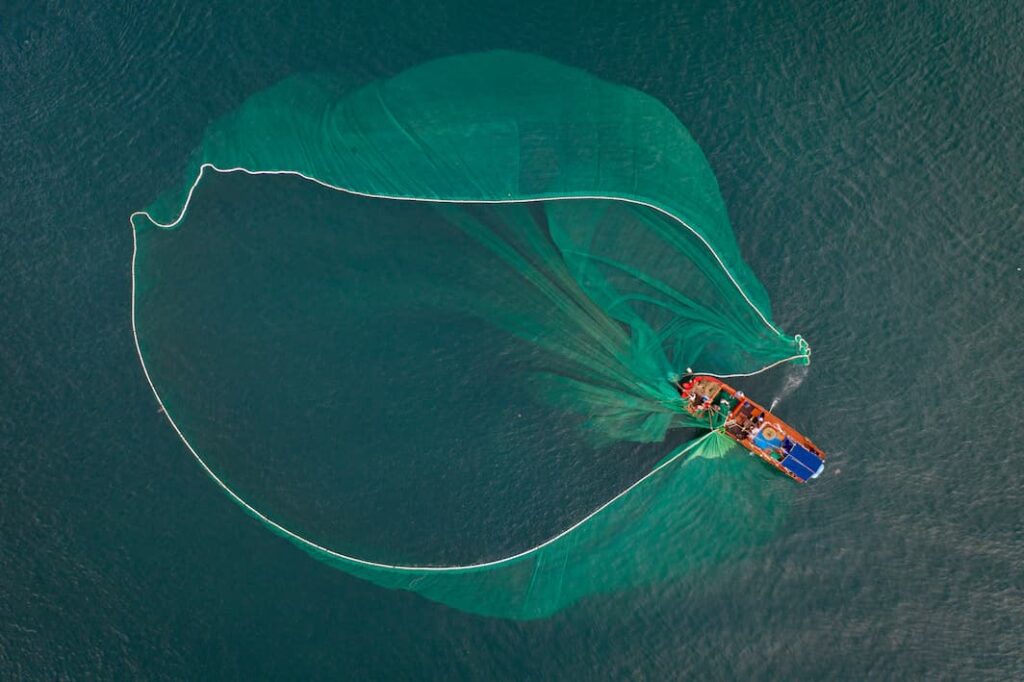
Typically, two types of catches are used for carabinero: trawling and artisanal fishing.
Artisanal fishing for red shrimp is very rare and is primarily intended to protect the biodiversity of marine ecosystems.
Trawling is the most effective method for capturing red shrimp.
Since the carabineros can be found between 700 and 2000 meters deep , in sandy bottoms, this technique is the best option.
It involves using trawlers that are capable of lowering the nets to the bottom, capturing the fish from the bottom, and then raising them again.
Recipes with Prawns
If you want to cook scarlet prawns, try these recipes: Soupy rice with scarlet prawns , Baked scarlet prawns , Grilled scarlet prawns and scarlet prawn risotto.
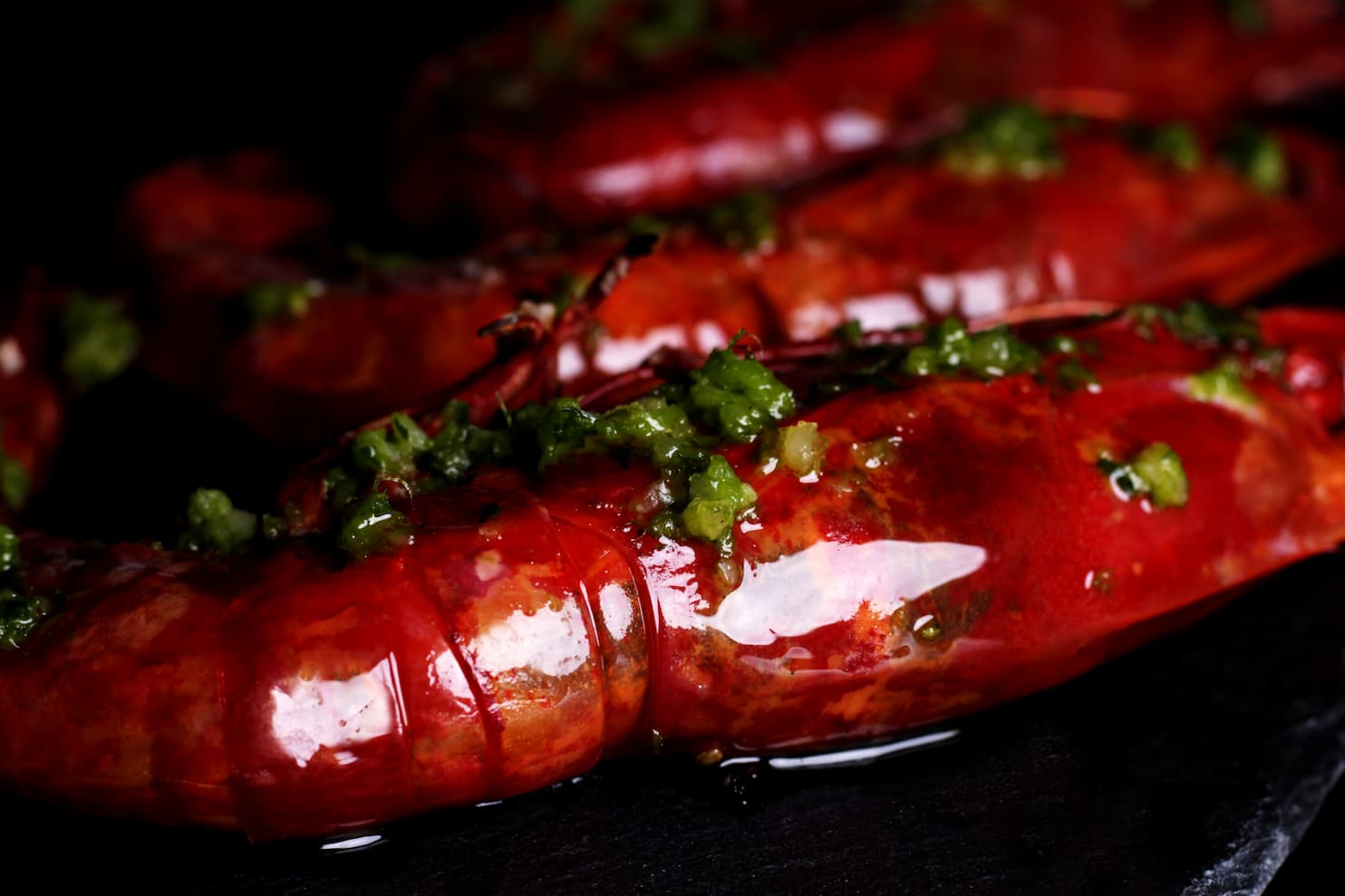
Baked Prawns
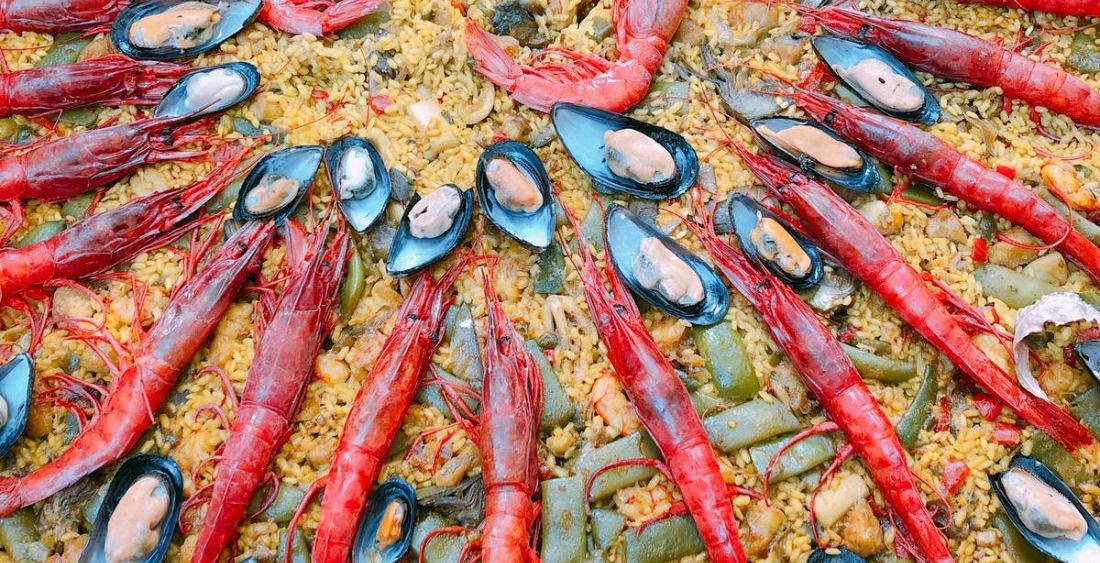
Rice soup with prawns
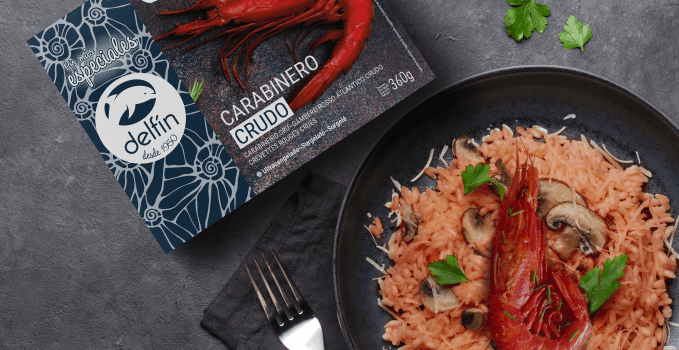
Prawn Risotto
Frequently Asked Questions about the Carabineros
The scarlet prawn is a shellfish that stands out for its great flavor and texture. In addition, it is large and has very striking colors.
When it began to be consumed, it was discovered that it had great potential in gastronomy and it was fished more frequently.
Another reason for the high price of red shrimp is its scarcity. It is only caught during the summer months and is usually frozen so it can be enjoyed throughout the rest of the year.
This type of shellfish is caught in the sandy bottoms of the Mediterranean Sea, the Northwest Atlantic and the Central-Eastern Atlantic.
For example, on the coasts of Portugal, Morocco, Western Sahara, the Canary Islands, Ireland, and Galicia.
It is very common to find it at a depth of 700 meters.
The scarlet prawn has a higher price than the lobster , although it depends on many factors.
American lobster is cheaper than European lobster, around €26/kg, while European lobster usually costs at least €60/kg.
The scarlet prawn costs around €90/kg and can vary depending on the size of the piece.
An average specimen can weigh between 100 and 200 grams approximately . It depends on its size, but can range from 100 grams to 400 grams.
Females, being slightly larger in size, also tend to have a higher weight.