 Skip to content
Characteristics of the Cockle
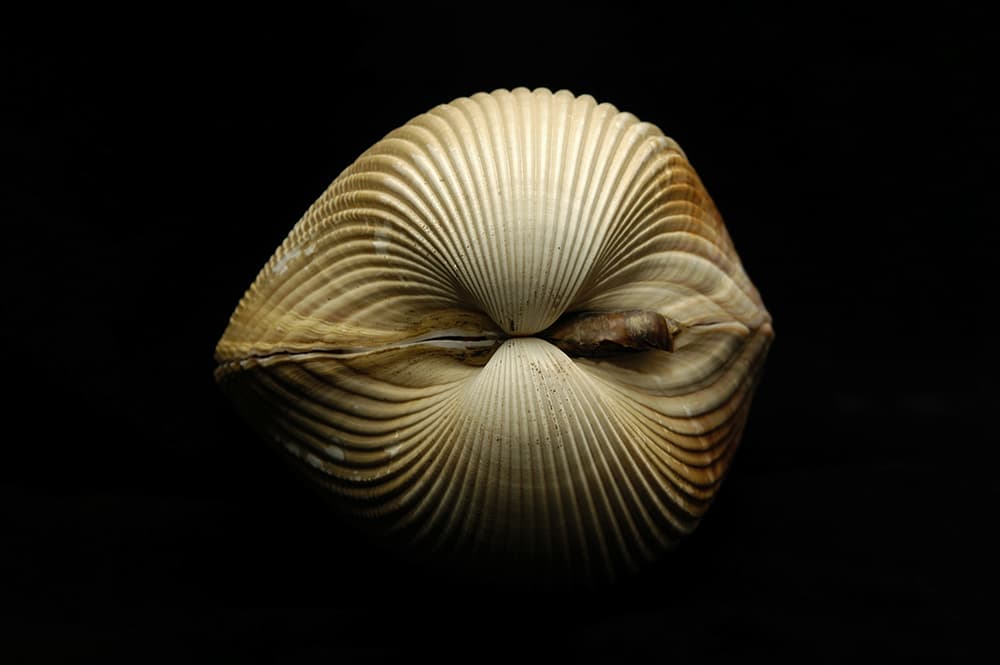
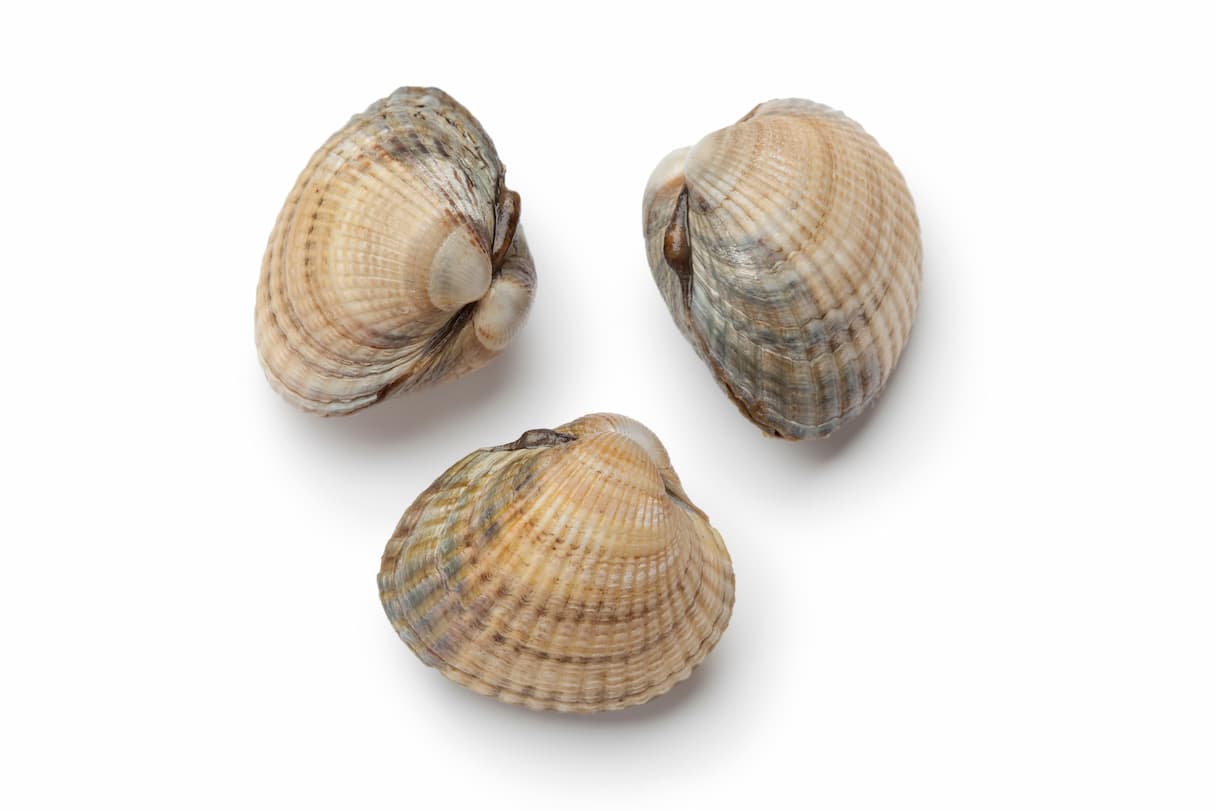
The cockle belongs to the Cardiidae family, a group of bivalve mollusks characterized by their heart-shaped shells. In fact, the name “Cardiidae” comes from the Greek word “kardia,” meaning heart. The most prominent physical characteristics of the cockle include:
- Shell: Rounded and striated, usually cream or light brown.
- Size: It typically ranges from 2 to 5 centimeters in diameter.
- Radial ribs: Pronounced, providing structural strength and a distinctive appearance.
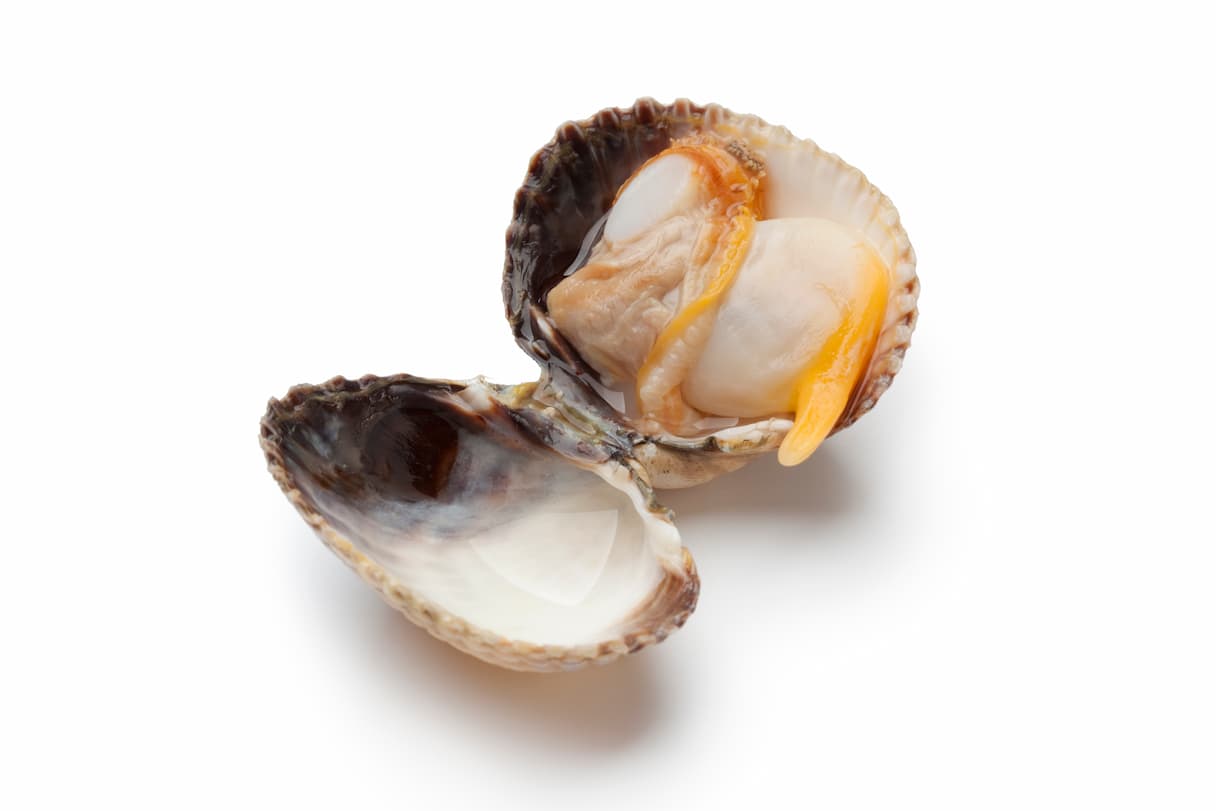
- Internal body: Soft, with vital organs such as gills and a muscular foot.
Inside its protective shell, the animal has a soft body that includes vital organs such as gills, which it uses both to breathe and to feed, and a muscular foot that allows it to bury itself in the sand or, sometimes, make small movements.
Habitat
These mollusks have evolved to thrive in the intertidal zone, a challenging environment that alternates between exposure to air and complete immersion in saltwater. During low tide, cockles bury themselves in the sand, tightly closing their shells to retain moisture. As the tide rises, they emerge slightly and extend their siphons, two short tubes they use to filter water for food and oxygen.
The cockle's ability to adapt to changes in water salinity is particularly interesting. This allows them to inhabit not only marine coasts, but also estuaries where freshwater from rivers mixes with seawater.
This adaptability has contributed to its wide geographic distribution, which ranges from the cold waters of Norway to the warmer coasts of Morocco, including the Mediterranean and Black Seas.
Diet and behavior
Their diet consists mainly of phytoplankton , tiny algae that float in the water, as well as other suspended organic particles. A single adult cockle can filter several liters of water per hour in search of food.
As for its life cycle, the cockle begins as a tiny planktonic larva, drifting in ocean currents. After several weeks, if it survives the numerous dangers of the open sea, the larva settles on the seabed and undergoes metamorphosis, developing its characteristic shell and adapting to benthic life.
Reproduction occurs through external fertilization: during the spawning season, which generally coincides with the warmer months, cockles release their gametes into the water, where fertilization occurs.
Nutritional values
Since time immemorial, the cockle has been prized as a delicious seafood delicacy. Its tender, juicy flesh, with a delicate flavor evoking the essence of the sea, has made it a prized ingredient in coastal cuisines throughout Europe.
But cockles aren't just delicious; they're also nutritious. Their nutritional profile includes:
nourisher | Quantity per 100 g |
Energy | 47 Kcal |
Proteins | 10,7 gr |
Total lipids | 0,5 gr |
– Saturated fatty acids | 0,05 gr |
- Monounsaturated fatty acids | 0,03 gr |
– Polyunsaturated fatty acids | 0,13 gr |
Cholesterol | 40 mg |
Carbohydrates | 0 gr |
Fiber | 0 gr |
Water | 88,8 gr |
Football | 128 mg |
Iron | 24 mg |
Iodine | 160 g |
Magnesium | 51 mg |
Zinc | 1,3 mg |
Sodium | 56 mg |
Potassium | 314 mg |
Phosphorus | 130 mg |
Selenium | 24,3 g |
Thiamine | 0,04 mg |
Riboflavin | 0,14 mg |
Niacin equivalents | 4,1 mg |
Vitamin B6 | 0,1 mg |
Folates | 17 g |
Vitamin B12 | Traces |
Vitamin C: | Traces |
Vitamin A | 250 g |
Vitamin D | Traces |
Vitamin E | 0,4 mg |
Source: Ministry of Agriculture, Fisheries and Food
To learn more about this Mollusk
Recipes with cockles
If you want to cook cockles, try these recipes: Steamed cockles.