 Skip to content
- January 10, 2024
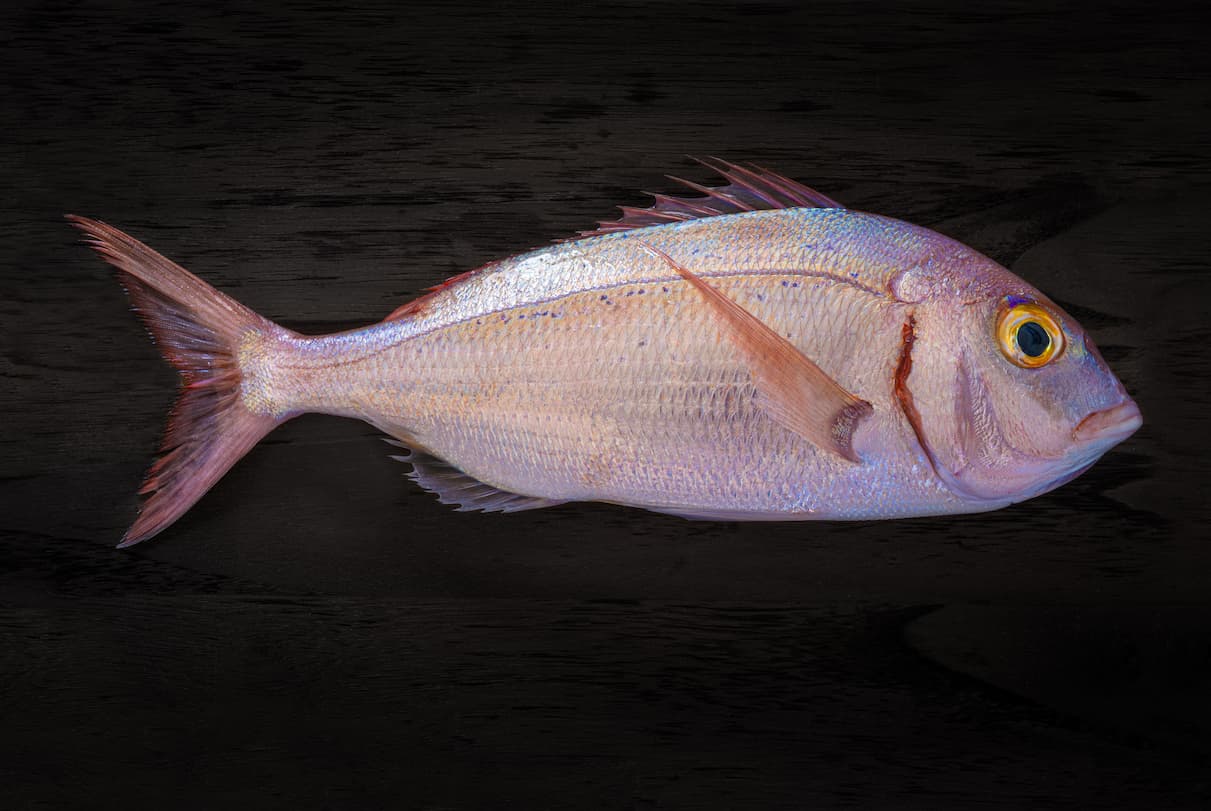
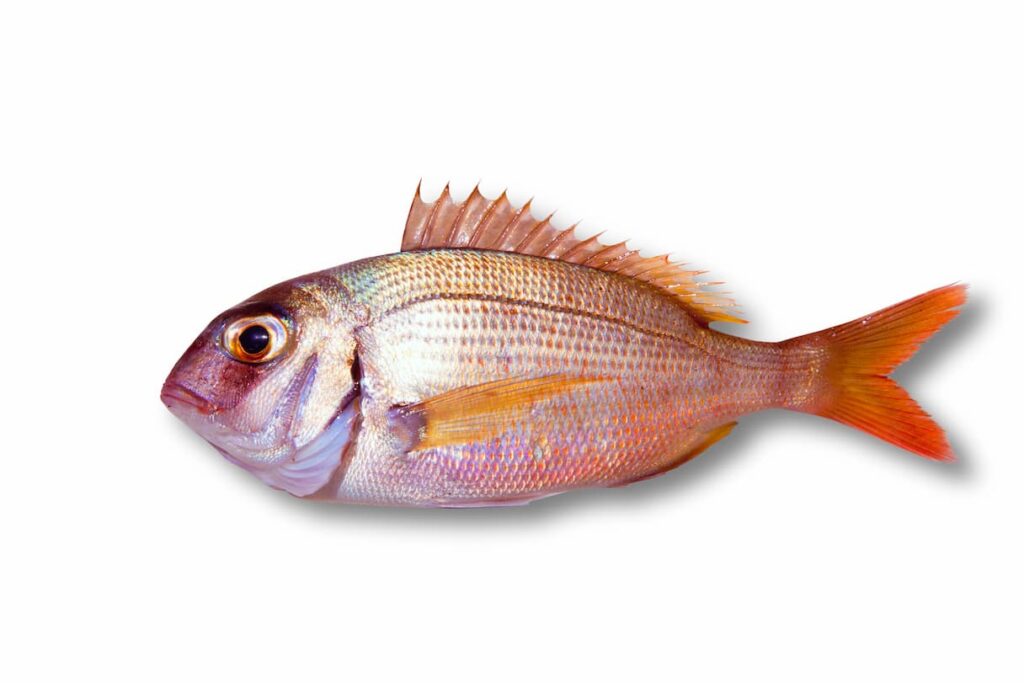
Red snapper (Pagrus pagrus)
The snapper , a semi-fatty white saltwater fish , is known not only for its exquisite flavor but also for its unique importance in sport and commercial fishing. This fish has a rich history and a notable presence in various culinary cultures around the world.
Characteristics of the Snapper
The snapper , belonging to the Lutjanidae family , is a fish that has fascinated both anglers and gourmets for generations. Its appearance is as distinctive as its habits, making it a truly unique fish.
- Physical appearance: Snappers typically have a robust, laterally compressed body, with a pointed head and prominent jaw. Their coloration varies widely depending on the species, but many display vibrant hues ranging from red and pink to silver and gold. A common characteristic is the presence of a dark spot on the flanks, near the lateral line.
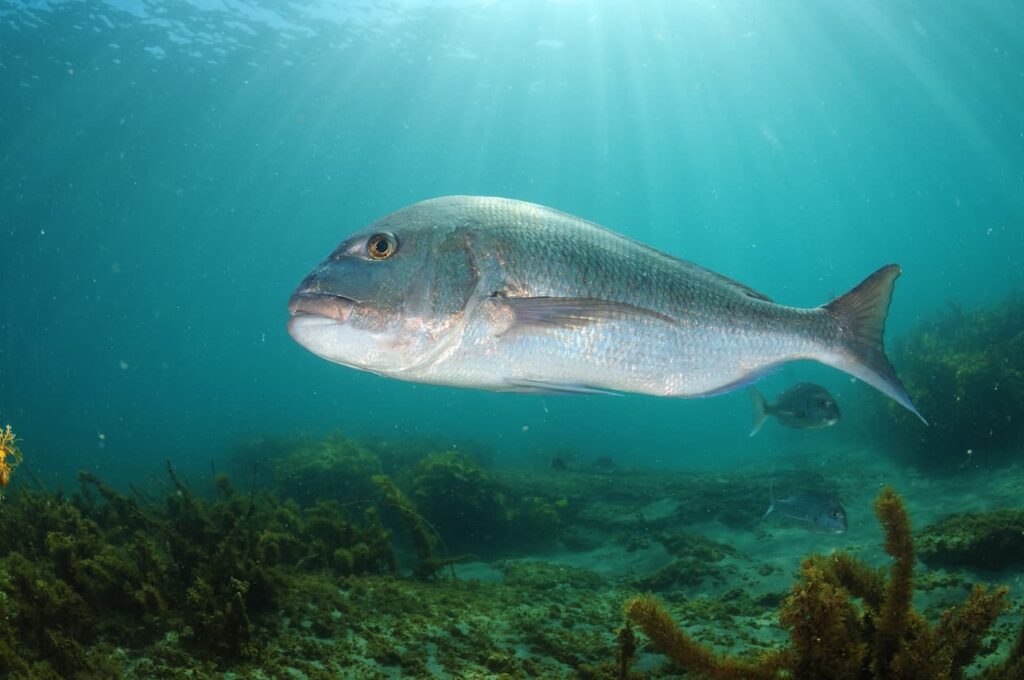
- Size and Growth: These fish can reach considerable sizes, with some species measuring over a meter in length and weighing up to 20 kilograms. Snapper growth depends on the species and the environment in which it lives.
- Behavior and Feeding: Snappers are known for their voracious nature. Their diet includes a variety of aquatic organisms, such as crustaceans, mollusks, and smaller fish. This rich and diverse diet contributes to their unique flavor.
- Longevity: They are long-lived fish, with some species living up to 25 years or more. This longevity allows them to reach impressive sizes and contributes to their status as trophy fish in sport fishing.
PREMIUM QUALITY
The world of snapper is vast and diverse, with a variety of species that differ in appearance, habitat, and size. These differences are not only fascinating from a biological perspective but also influence their flavor and texture. Below, we explore some of the most well-known and beloved types of snapper.
- Red Snapper (Lutjanus campechanus): Perhaps the most famous of all, the red snapper is known for its bright red color and firm flesh. It's a common species in the Gulf of Mexico and is highly valued by both sport and commercial fisheries.
- Yellow Snapper (Ocyurus chrysurus): This species is distinguished by its yellow coloration and is usually found in shallow waters near coral reefs. Its flesh is soft and slightly more delicate than that of the red snapper.
- Butter Snapper (Lutjanus analis): Named for the tender texture of its flesh, this snapper is found in western Atlantic waters and is famous for its rich, mild flavor.
- Red Snapper (Lutjanus guttatus): This snapper is distinguished by its crescent-shaped black spot near its dorsal fin. It is commonly found in the eastern Pacific and is a favorite in local cuisine for its distinctive flavor.
- Mulatto Snapper (Lutjanus griseus): A resident of the Caribbean and North Atlantic waters, the mulatto snapper is known for its silvery-gray color and tender flesh.
Each of these species not only brings its own uniqueness in terms of appearance and habitat, but also offers a unique culinary experience. From the firmness of the red snapper to the delicacy of the yellow snapper, there is a variety to satisfy every palate.
Nutritional values
Snapper is not only appreciated for its flavor, but also for its remarkable nutritional profile, which makes it a healthy and nutritious choice.
nourisher | Quantity per 100g |
Energy (Calories) | 100 Kcal |
Proteins | 20,51 gr |
Total Fats | 1,34 gr |
Saturated fats | Not specified |
Trans fat | Not specified |
Cholesterol | 37 mg |
Sodium | 64 mg |
Potassium | 417 mg |
Phosphorus | 198 mg |
Total Carbohydrates | 0 gr |
Dietary fiber | 0 gr |
Sugars | 0 gr |
Vitamin A | 106 IU |
Vitamin B-9 (Folic acid) | 5 g |
Vitamin B-12 | 3,00 g |
Habitat
The snapper is a species with a wide geographic distribution and habitat. Understanding its habitat is crucial to understanding its behavior, availability, and sustainable fishing practices.
- Geographical distribution: Snappers are found in a wide range of locations around the world, predominantly in tropical and subtropical watersThese species are common in the Atlantic, Indian and Pacific Oceans, with their presence being particularly notable in areas such as the Gulf of Mexico, the Caribbean and the coasts of Australia.
- Habitat preferences: These fish generally prefer coral reefs and rocky bottoms. Reefs offer abundant food and protection from predators, making them ideal places for their development and reproduction. They prefer warm, clear waters, which favor the proliferation of their food sources.
- Migratory and Seasonal Behavior: Some snapper species exhibit migratory patterns, moving between different areas depending on the season and environmental conditions. These migratory patterns are often related to reproduction and the search for optimal feeding areas.
Season and Fishing Gear
Snapper fishing season
Choosing the right time to catch snapper is key to ensuring a successful catch and respecting the sustainability of the species.
The ideal season for snapper fishing depends on the species and the region . Generally, the warmer months are favorable , especially for those species that frequent shallower waters during their feeding and breeding cycle.
It is essential to consult local and national fishing regulations . These rules establish the permitted fishing seasons, helping to preserve snapper populations and their ecosystems.
The environmental impact must also be considered to avoid spawning seasons so as not to interrupt the snapper's reproductive cycle.
How to fish for snappers
Snapper fishing techniques vary, adapting to the characteristics of the species and the fishing environment.
Rod and reel fishing: Popular in recreational and commercial fishing, this technique allows for detailed control and the capture of larger specimens.
Hook and line fishing: A traditional method effective in areas with high fish density. The choice of bait, which can be natural or artificial, is crucial for attracting snapper.
Spearfishing: Practiced by experienced divers, this technique consists of diving and catching snapper directly, usually in reef areas.
Frequently Asked Questions about Snapper
Snapper is low in fat and calories, high in protein, and contains important nutrients such as potassium, phosphorus, and vitamins A, B-9, and B-12, which are beneficial for heart, brain, and immune system health.
The mercury content in snapper can vary depending on the specific species and the environment in which it lives. In general, snapper is considered a fish with a moderate level of mercury (around 0,133 ppm). Larger and older snapper tend to accumulate more mercury due to their longer exposure time and position in the food chain.
Likewise, the amount of mercury that a snapper can contain and accumulate throughout its life is much lower than that of other animals, such as swordfish or tuna.
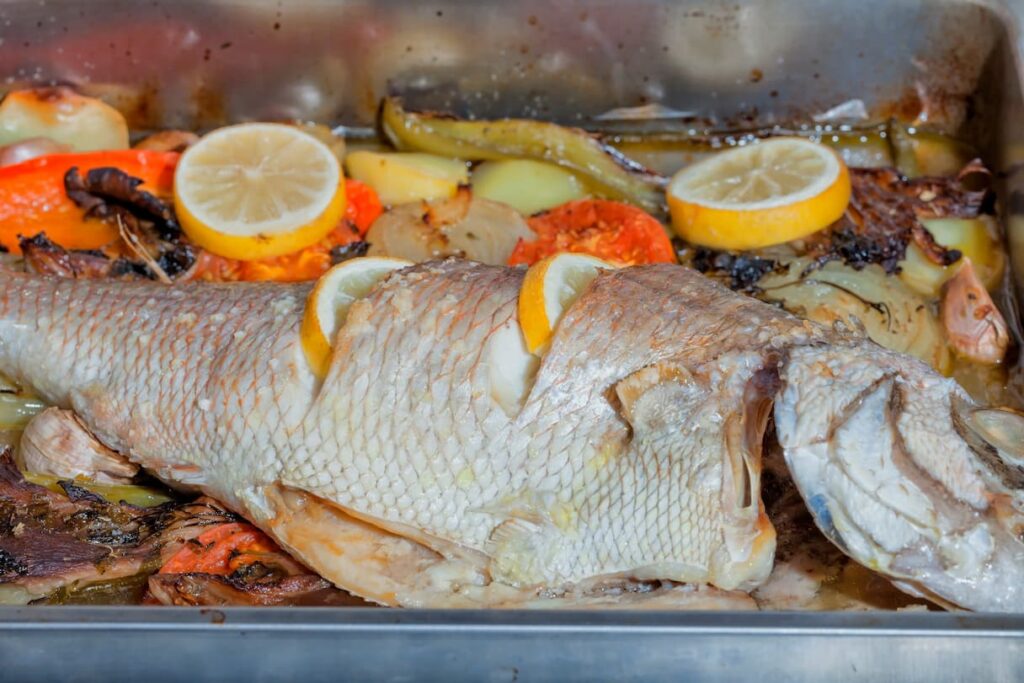
In Spain, one of the most common types of snapper is the "red snapper" (Pagellus bogaraveo), also known as "besugo" in some regions. This species is highly prized in Spanish cuisine for its flavor and texture.