 Skip to content
- February 23, 2024
- POSTS FRESH FROM THE OVEN!
Cephalopods: The Complete Guide for Masters of Camouflage
Cephalopods , a unique class within the phylum Mollusca , are marine creatures that inspire awe in scientists and ocean lovers alike. With their exceptional intelligence and complex anatomy, these fascinating beings immerse us in a world of mystery and wonder.
What are cephalopods and what are their characteristics?
Cephalopods are a class of marine mollusks that include octopuses, squid, cuttlefish , and nautiluses . They are distinguished by their soft bodies, well-developed heads, and tentacles surrounding their mouths . These animals possess a complex anatomy, with highly developed sensory organs, including eyes similar to those of vertebrates.
Key features
What's incredible about cephalopods isn't just their ability to hide with camouflage skills that even the best magicians would envy. It's their adaptability , the way they've evolved to face the challenges of a constantly changing marine environment. These are some of their main characteristics:
Complex Anatomy
The anatomy of cephalopods is remarkably complex and diverse . Although they share certain basic features, such as a well-defined head and retractable tentacles, the shape and size of their bodies can vary enormously between species.
Development of the Shell
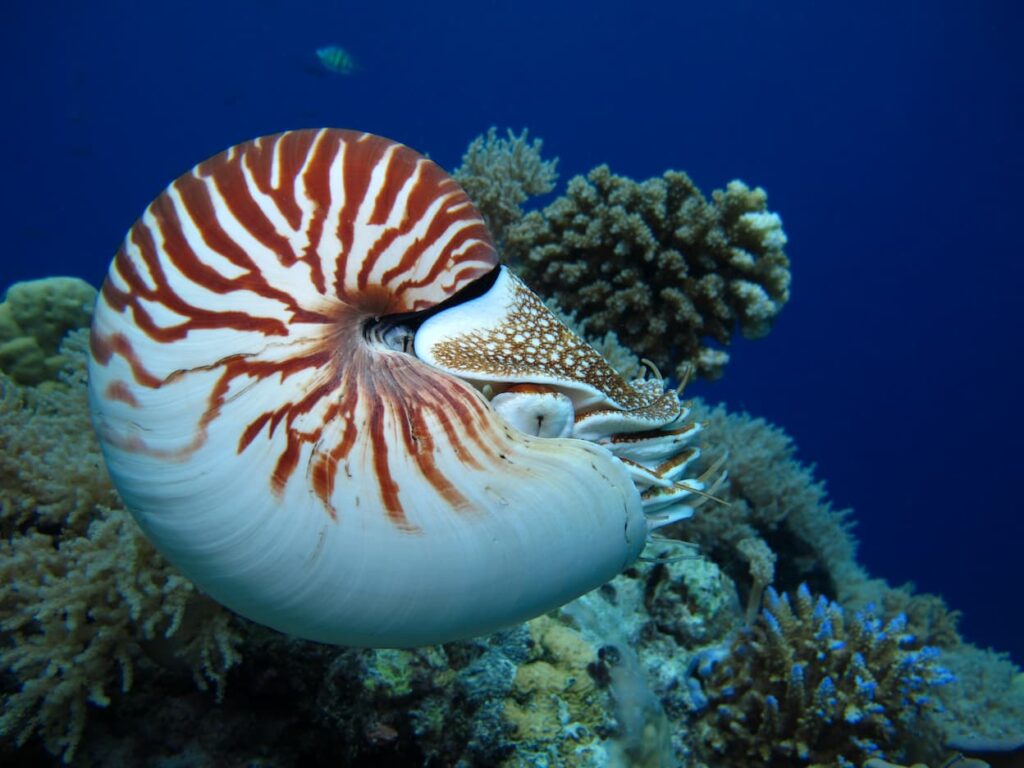
A notable characteristic of some cephalopods is the presence of shells , either internal or external. Nautiluses , for example, possess an external , spiral-shaped shell that provides protection and buoyancy. In contrast, cuttlefish have an internal , feather-like shell that provides structural support. However, in octopuses, this shell has disappeared.
Sophisticated Visual Ability
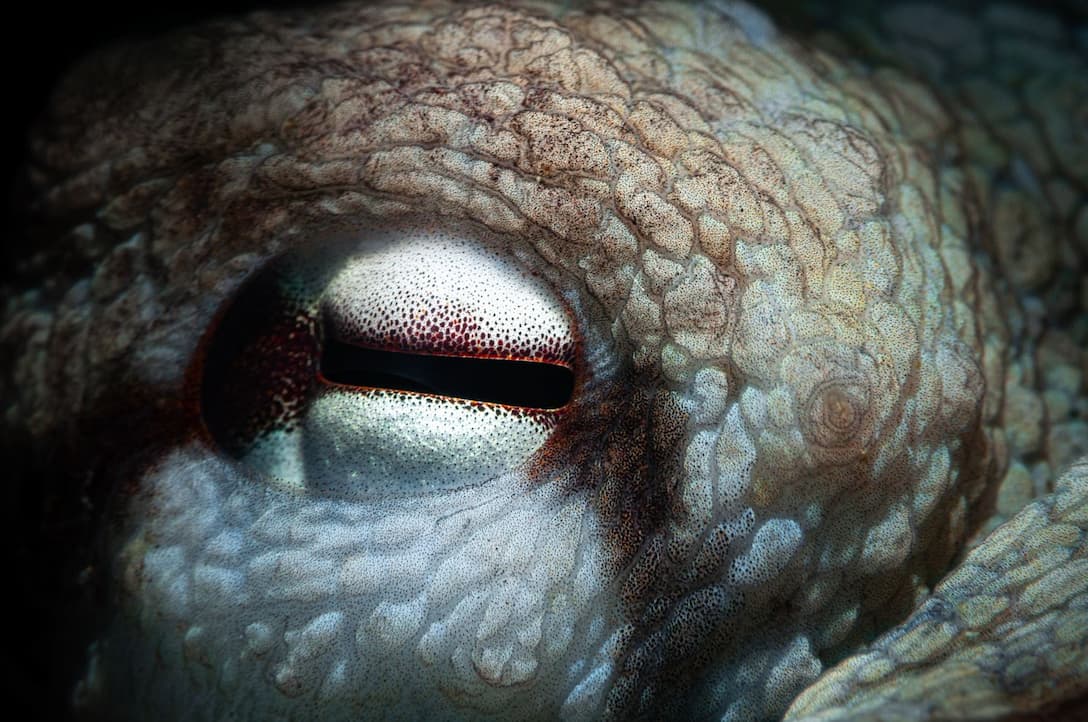
This species is equipped with a highly developed visual system that allows them to perceive their surroundings with astonishing precision. Their eyes are comparable in complexity and effectiveness to those of vertebrates , enabling them to detect and track prey, as well as recognize potential threats. This visual acuity is especially important given the active, predatory lifestyle of many cephalopods, which rely heavily on vision for hunting and survival.
Camouflage Skill
One of their most amazing characteristics is their ability to change color and texture to camouflage themselves with their surroundings. This ability allows them to hide from predators and stalk their prey effectively. Some species, like the mimic octopus, are especially skilled at camouflage, able to imitate not only the color and texture of their environment, but also the shape and behavior of other marine organisms.
Types of Cephalopods
Cephalopods can be classified into several main groups based on their anatomical and taxonomic characteristics . Here are some prominent examples of each type:
Octopodiformes
Octopus: Octopuses are prominent members of the order Octopoda, characterized by their eight tentacles covered in suckers. They are famous for their intelligence, camouflage abilities, and problem-solving skills.
Decapodiformes
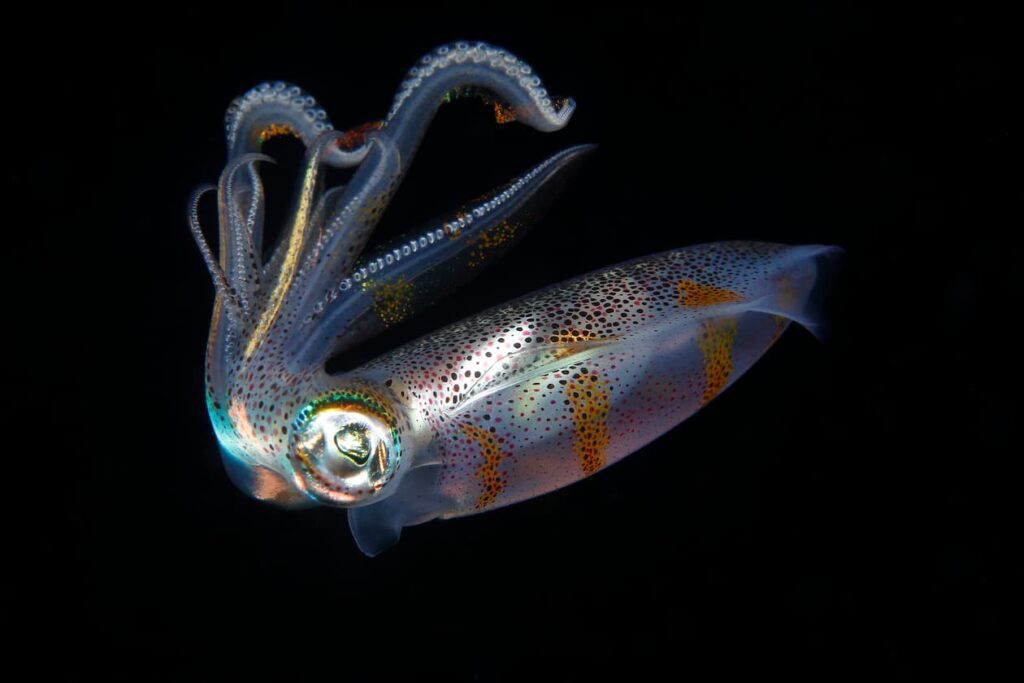
Squid : Squid are cephalopods of the order Teuthida, distinguished by their elongated bodies and ten tentacles, two of which are longer and equipped with hook-like suckers. They are agile and swift predators in the ocean, hunting prey efficiently in the deep sea.
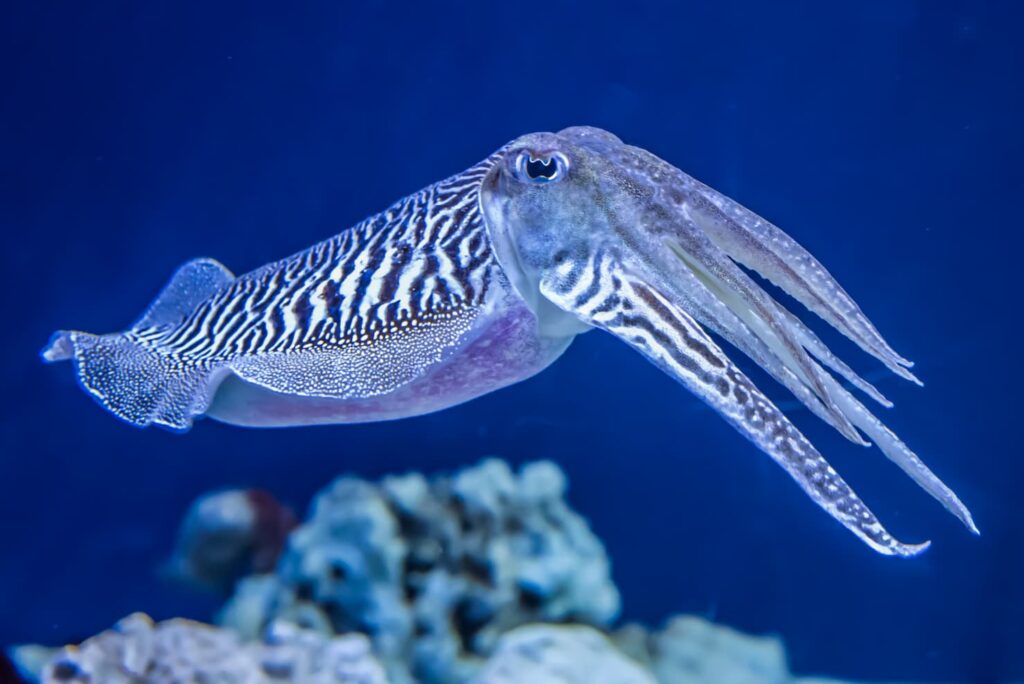
Cuttlefish : Cuttlefish belong to the family Sepiidae within the order Sepiida. They are known for their ability to expel ink to confuse predators and their graceful swimming ability. Some species of cuttlefish also have an internal, feathery shell that provides structural support.
Nautilids
Nautilus: Chambered nautiluses are primitive cephalopods belonging to the order Nautilida. They are the only cephalopods that retain a spiral-shaped external shell, which provides protection and buoyancy. Although less common than other cephalopod species, chambered nautiluses are fascinating for their prehistoric appearance and slow-moving deep-sea lifestyle.
These are just a few examples of the diversity of cephalopods that inhabit the world's oceans. Each type has unique adaptations that allow them to survive and thrive in their respective marine habitats.
Below is a table that provides a broader view of cephalopod diversity, including some lesser-known but equally fascinating species.
Type of Cephalopod | Description | Species and Examples |
Octopodiformes | Octopodiformes are an order of cephalopods characterized by eight tentacles and a well-developed head. They are known for their intelligence and camouflage abilities. | Common octopus (Octopus vulgaris), Blue-ringed octopus (Hapalochlaena spp.), Dumbo octopus (Grimpoteuthis spp.) |
Decapodiformes | Decapodiformes are distinguished by their ten tentacles, two of which are longer and equipped with hook-like suckers. They are agile and swift predators in the ocean. | Giant squid (Architeuthis dux), Humboldt squid (Dosidicus gigas), Vampire squid (Vampyroteuthis infernalis), Common cuttlefish (Sepia officinalis) |
Nautilids | Nautilids are primitive cephalopods that retain a spiral-shaped external shell. Although they are less common than other cephalopod species, they are fascinating for their prehistoric appearance and slow-moving lifestyle. | Common nautilus (Nautilus pompilius), Chambered nautilus (Allonautilus spp.) |
Vampyromorpha | Vampyromorpha, also known as vampire squid, are a subclass of squid that inhabit the depths of the ocean. They are known for their distinctive appearance and ability to produce bioluminescent light. | Vampire squid (Vampyroteuthis infernalis) |
Sepiolida | Sepiolida, also known as pygmy squids, are a family of small cephalopods found in shallow waters around the world. They are known for their tiny size and ability to blend in with their surroundings. | Atlantic cuttlefish, Euprymna scolopes |
Teuthida | The Teuthida include a wide variety of squids of different sizes and habitats. They are active predators that hunt prey in the open ocean and deep waters. | Atlantic giant squid (Architeuthis dux), Deep-sea squid (Taningia danae), Humboldt squid (Dosidicus gigas) |
Habitat and Food
Cephalopods are fascinating animals found in almost every corner of the ocean . From shallow waters to the deep sea, these incredible creatures have adapted to a wide variety of habitats.
In surface waters and coral reefs , we can find octopuses and squid hiding among crevices and caves, seeking refuge and stalking their prey. These places are special to them because they offer an abundance of food, such as fish and crustaceans, which they capture with their tentacles and suckers with astonishing precision.
But some cephalopods are more adventurous and venture into the deep waters , where the pressure increases and sunlight barely penetrates. There, squid and nautiluses glide through the darkness in search of food.
As to its diet, cephalopods are carnivoresTheir main source of food is fish, crustaceans and other invertebrates sailors. In addition to being excellent hunters, some of them also they feed on carrion and food scraps that they find at the bottom of the sea.
Frequently Asked Questions about Cephalopods
Life expectancy varies greatly depending on the species and where they live. For example, octopuses live for a short time, ranging from a few months to a couple of years. In contrast, some squid can live for several years, even a decade or more under favorable conditions.
Most reproduce sexually. Males release sperm, which females capture and use to fertilize their eggs outside their bodies. This can occur during mating, when the male transfers the sperm to the female, or afterward, when the female stores the sperm to fertilize the eggs later.
They communicate with each other and their environment using visual, tactile, and chemical signals. They change color and skin patterns, move in specific ways, and release pheromones to attract or repel others. Octopuses, in particular, are known for their complex communication behaviors, such as displaying visual patterns to express emotions or warn others of danger.
It's a fundamental defense tool. When threatened, they release a cloud of dark ink into the water. This cloud acts as a smokescreen that confuses predators and gives the cephalopod a chance to escape. In addition to concealing the cephalopod, the ink may contain toxic or irritating chemicals that deter predators.
Cephalopod tentacles are very versatile and serve many functions. In addition to being used for movement, they are very useful tools for catching prey. With their suction cups, cephalopods can grasp and manipulate objects with precision. Tentacles are also important for exploring the environment and interacting with other members of their species. If damaged or amputated, they have the incredible ability to regenerate, allowing them to quickly regain function.
Cephalopods are active predators that use a variety of hunting tactics to catch their prey. Some species, such as squid, are swift hunters that pursue their prey in the open ocean, using their speed and agility to sneak up on them before striking with their tentacles. Octopuses, on the other hand, prefer to be more stealthy and stalk their prey from strategic hiding places before swooping down with precision to catch them with their tentacles. This diversity in hunting behavior reflects cephalopods' specialized adaptations to their different habitats and survival strategies.