 Skip to content
Seafood and Pregnancy: What Should You Know?
One of the most common questions regarding nutrition during pregnancy is whether or not eating fish and seafood is advisable. While it's true that some of them may contain mercury, in amounts that aren't advisable for pregnant women, it's also true that these products contain omega-3 fatty acids, iron, protein, and zinc. These nutrients are necessary for the baby's proper growth and development.
Can you eat seafood during pregnancy?
Yes, you can eat seafood during pregnancy, but there are some precautions you should take to ensure the best health for both mother and baby.
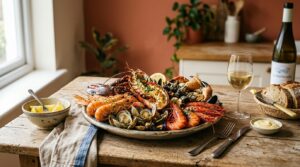
Seafood, such as prawns, lobsters, crabs, oysters, and mussels, can be a healthy source of protein, iron, zinc, and other important nutrients.
Here are some general guidelines to follow when consuming seafood during pregnancy:
- Cook properly: It's important to cook seafood thoroughly to kill any bacteria or parasites present. Make sure it's cooked thoroughly, with no translucent or raw parts.
- Avoid eating raw seafood: During pregnancy, you should avoid eating raw or undercooked seafood, such as sushi, raw oysters, or ceviche.
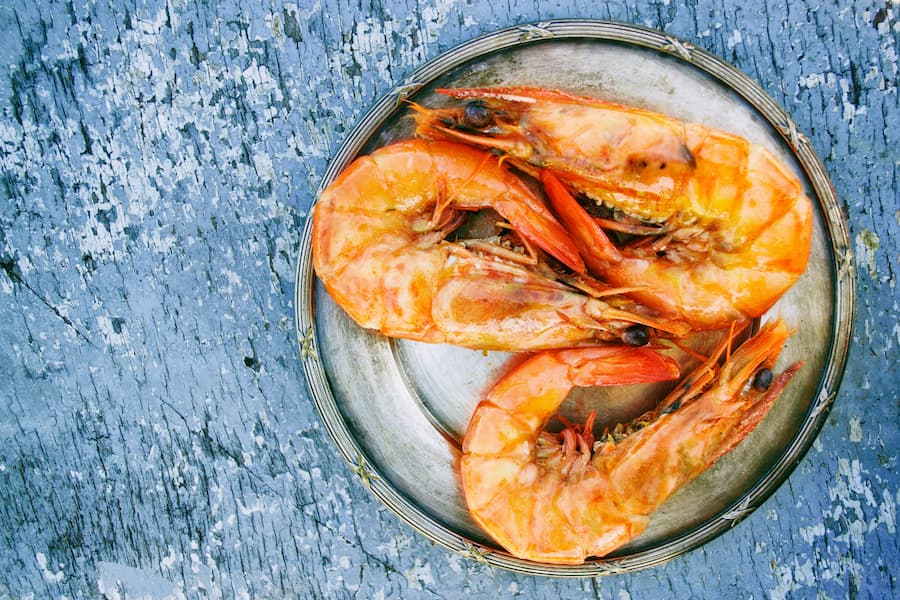
- Avoid sucking the head of the shellfish: En general, There is no problem with eating seafood during pregnancy, la only precaution what you should take is don't suck heads Shrimp, prawns, and red shrimp... This is where cadmium, a heavy metal found in saltwater, is usually stored. This metal is not beneficial for pregnant women.
So if you want to eat seafood during pregnancy, just cook it well, don't eat it raw, and avoid sucking the head.
And fish, can you eat during pregnancy?
Small fish species such as herring, anchovies, eels, mackerel, horse mackerel, salmon, and sardines can be safely consumed . However, they should be cooked or frozen beforehand as a preventative measure against anisakis.
Large species are those that can have a high mercury index:
- Swordfish.
- Shark.
- Dogfish.
- shortfin mako
- Red tuna.
- Common tuna.
- Cimarron.
- Pike.
The problem stems from the presence, due to environmental pollution, of high levels of mercury, especially its organic form, methylmercury. These can cross the blood-brain barrier and the placenta, causing neuronal damage in babies and very young children (up to 3 years old).
As part of a balanced and safe diet, it is recommended that pregnant women eat fish 3-4 times a week. Oily fish is especially important , as it provides omega-3 fatty acids and other essential nutrients necessary for the healthy development of the fetus.
Recommendations for eating fish and seafood during pregnancy
You can eat seafood and fish during pregnancy as long as you follow the recommendations mentioned above. These foods are very beneficial for the health of pregnant women and for the baby's development.
As you already know, there are a number of precautions you need to take to safely eat fish and shellfish during pregnancy.
- Freeze the product: Frozen seafood or fish during pregnancy is the option most doctors recommend. Freezing the fish beforehand will help prevent anisakis. All our products are sold deep-frozen. Do you know what anisakis is? ultra-freezing?
- Cooking the fish: Raw fish and shellfish should not be eaten. Salted, smoked, or marinated fish should also not be eaten. Cook it at temperatures above 70 degrees Celsius for a couple of minutes.
- Do not suck the heads of crustaceans: Even if you love sucking the heads of shrimp, prawns, or red shrimp, it is not recommended for pregnant women to avoid cadmium, a heavy metal, which is stored in that area.
- Eating fish and seafood at home: To ensure that you follow the rest of the recommendations, it's best to eat seafood and fish cooked at home.
However, dietary guidelines during pregnancy should always be set by your doctor.

Which seafood and fish are safest to eat during pregnancy?
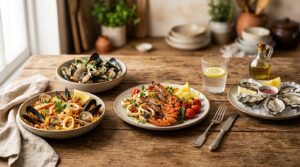
Seafood, such as shellfish and fish, can be an excellent addition to a prenatal diet. Below, we'll list a number of foods that are safe to consume during this period:Seafood (always cooked or stewed)
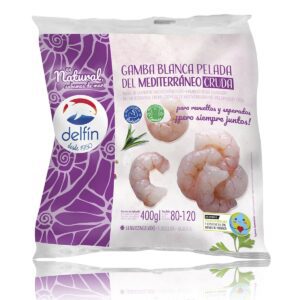
- Prawns
- lobsters
- crabs
- mussels
- Clams
- naughty
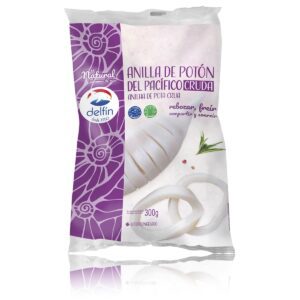
- octopus, cuttlefish and squid
Fish (cooked)
- Salmon
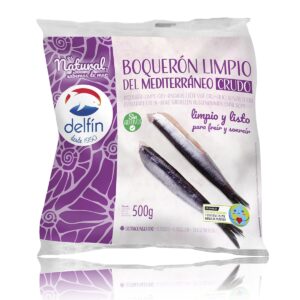
- Anchovy
- Whiting Fish
- Cod Fish
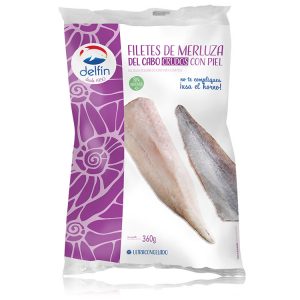
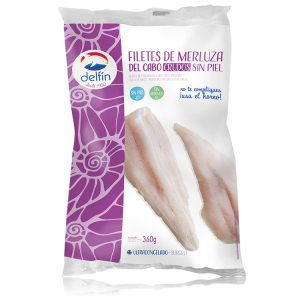
- Hake
- Snuff